SCENT NOTES
Follow a scent note through the book.
Each page gives a short orientation, then shows the fragrances and incense entries whose documented composition references that note.
BROWSE FAMILY
Florals
Carnation
A spicy floral reference balancing clove, pepper, warm petals and green stems; natural carnation extracts exist, but modern carnation effects are often reconstructed.
1 referenced entry →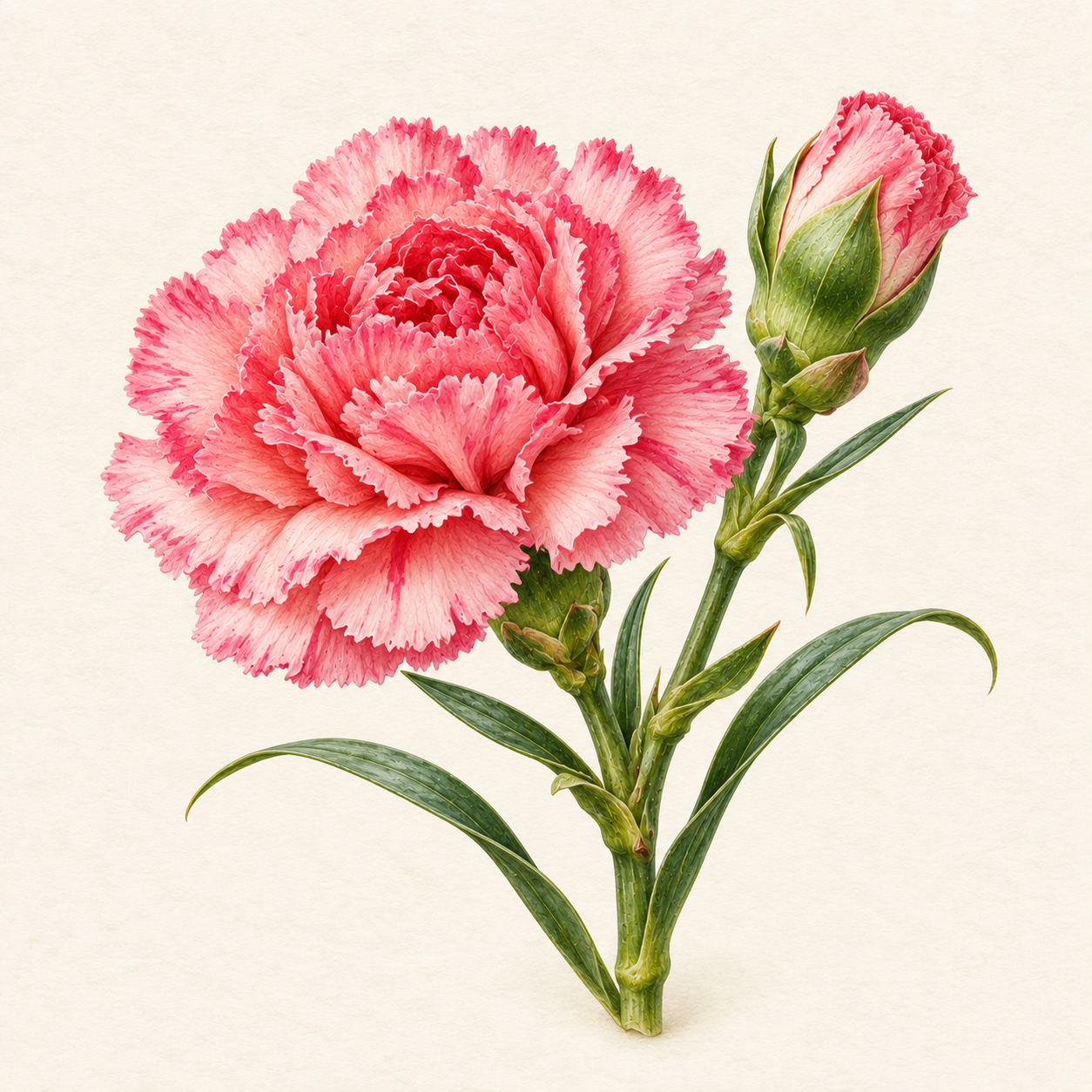
Champaca
A rich tropical floral material with creamy, fruity, tea-like, spicy and slightly indolic facets, botanically related to magnolia but distinctive enough to stand alone.
2 referenced entries →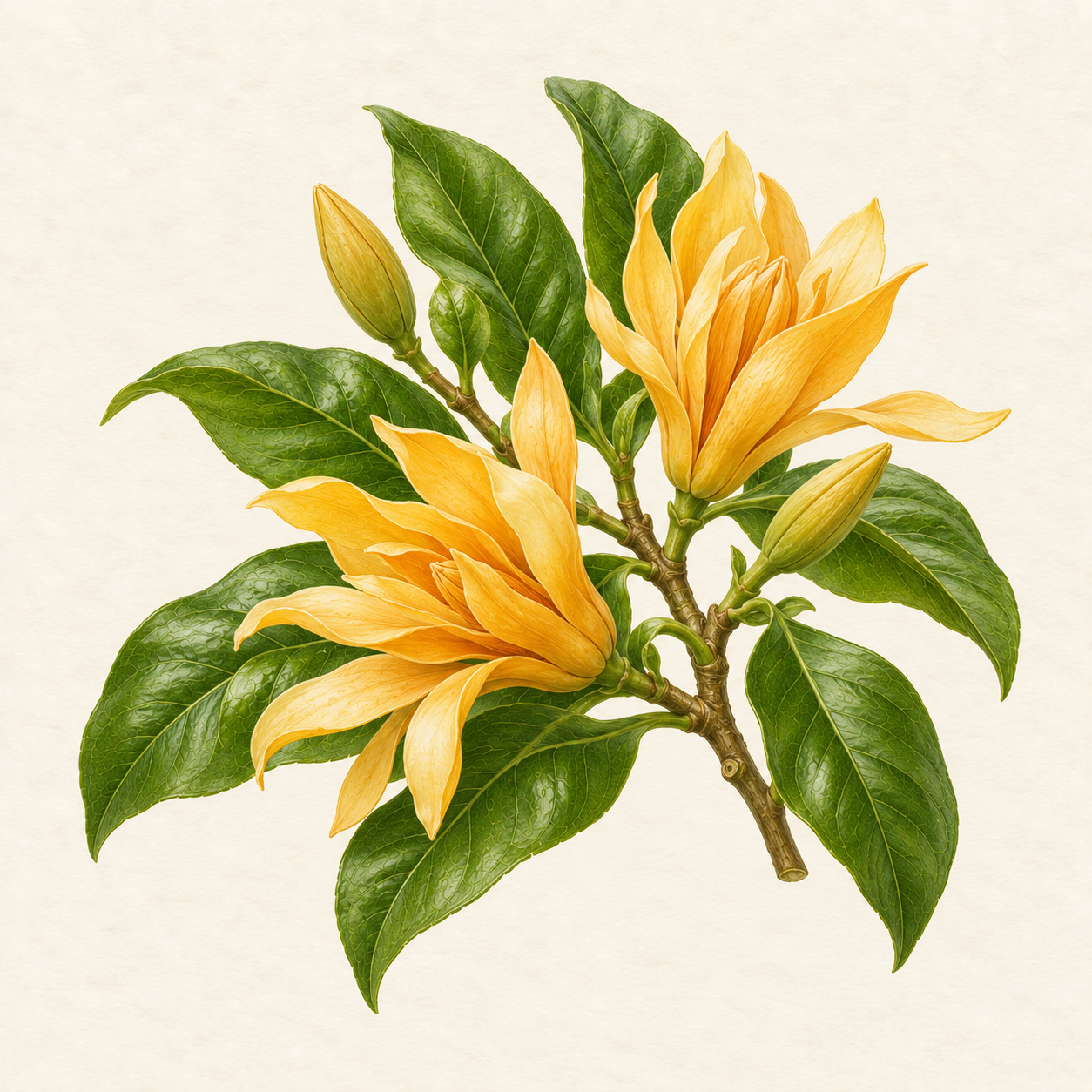
Cherry Blossom
A light spring-floral note associated with cherry blossoms; in perfumery it is usually a reconstructed floral impression rather than a standardized natural extract.
1 referenced entry →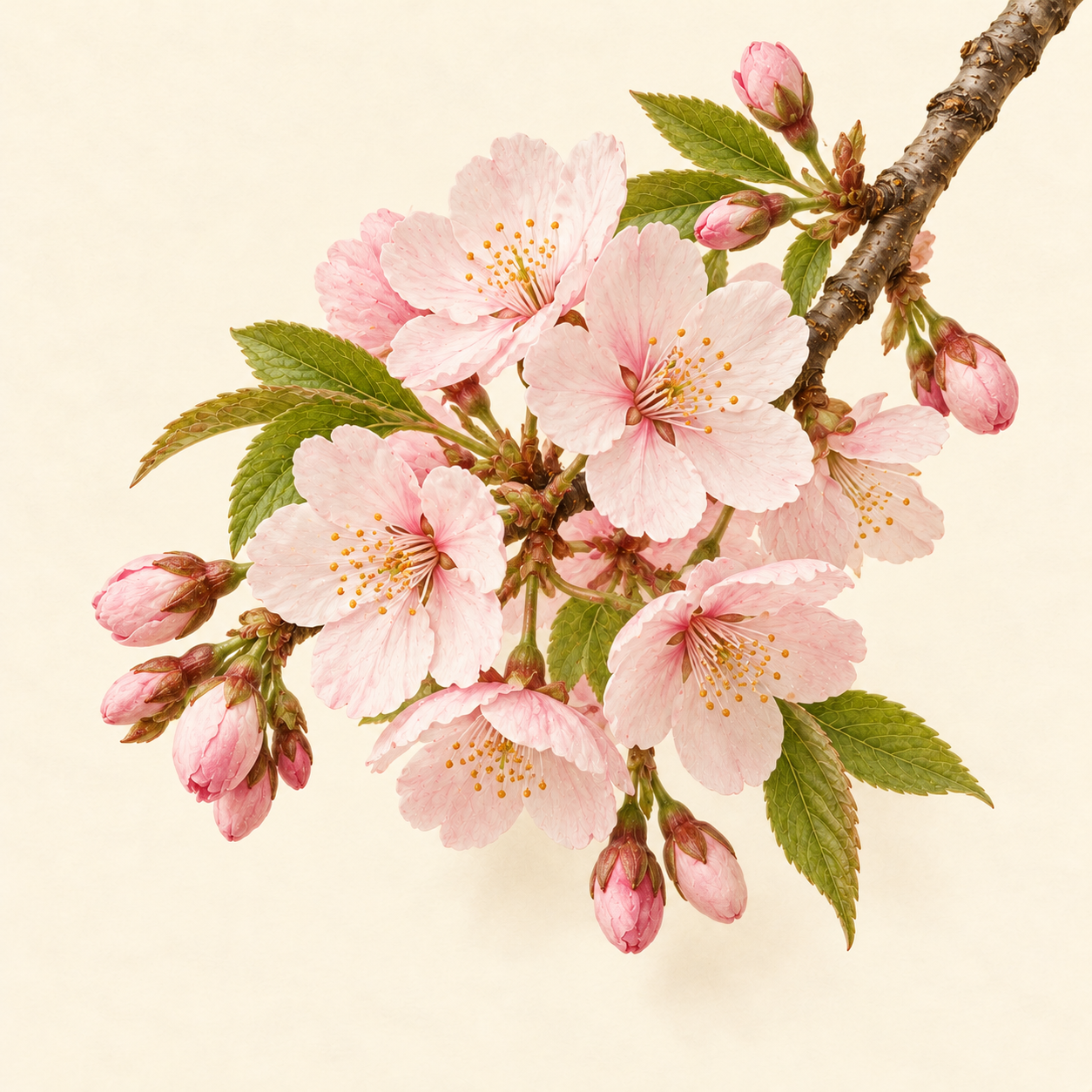
Freesia
A fresh airy floral reference with peppery, citrus, green and softly sweet facets, commonly represented in perfume as a transparent reconstructed accord.
2 referenced entries →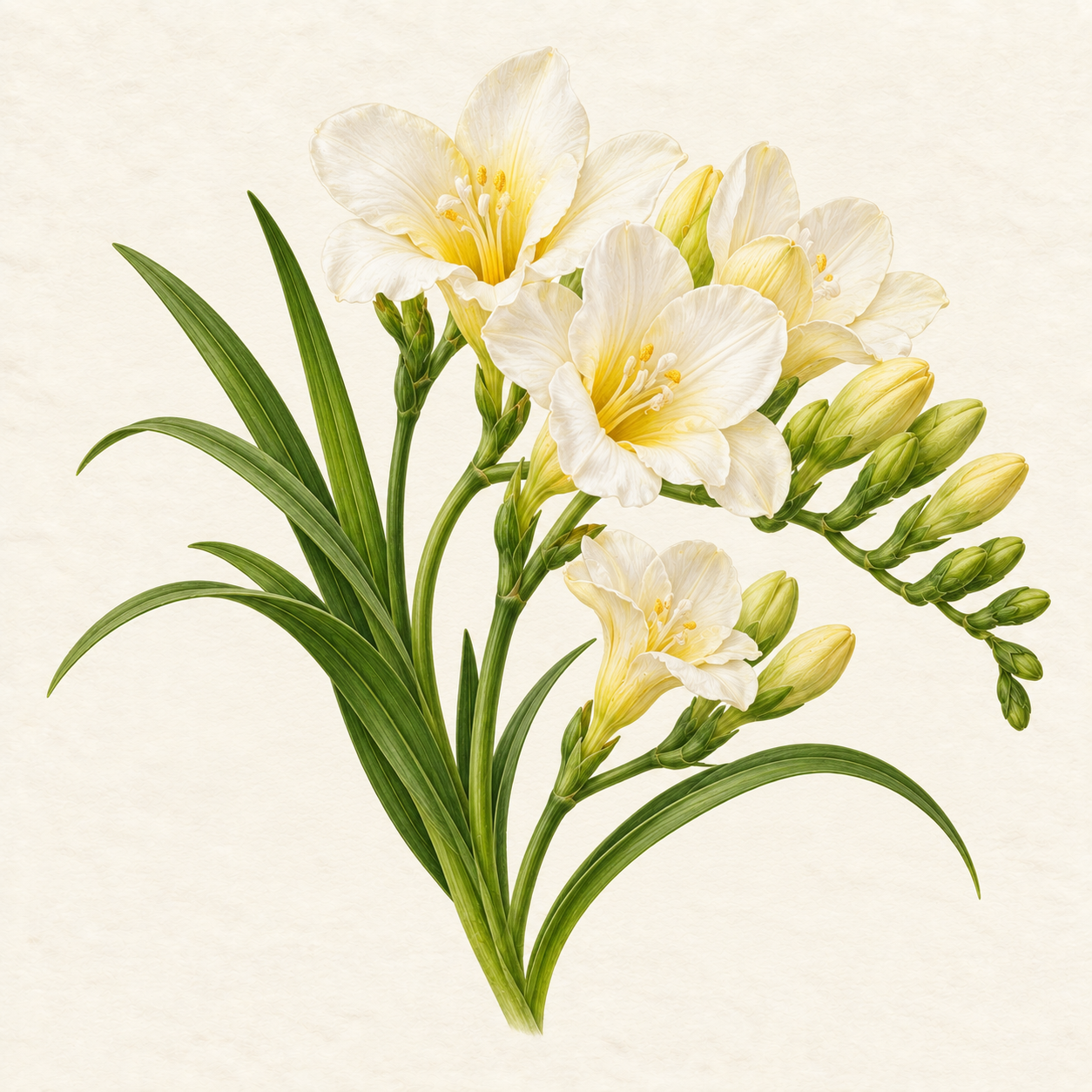
Heliotrope
A soft powdery floral-gourmand effect built around almond, vanilla, cherry and floral facets, classically associated with heliotropin or piperonal.
3 referenced entries →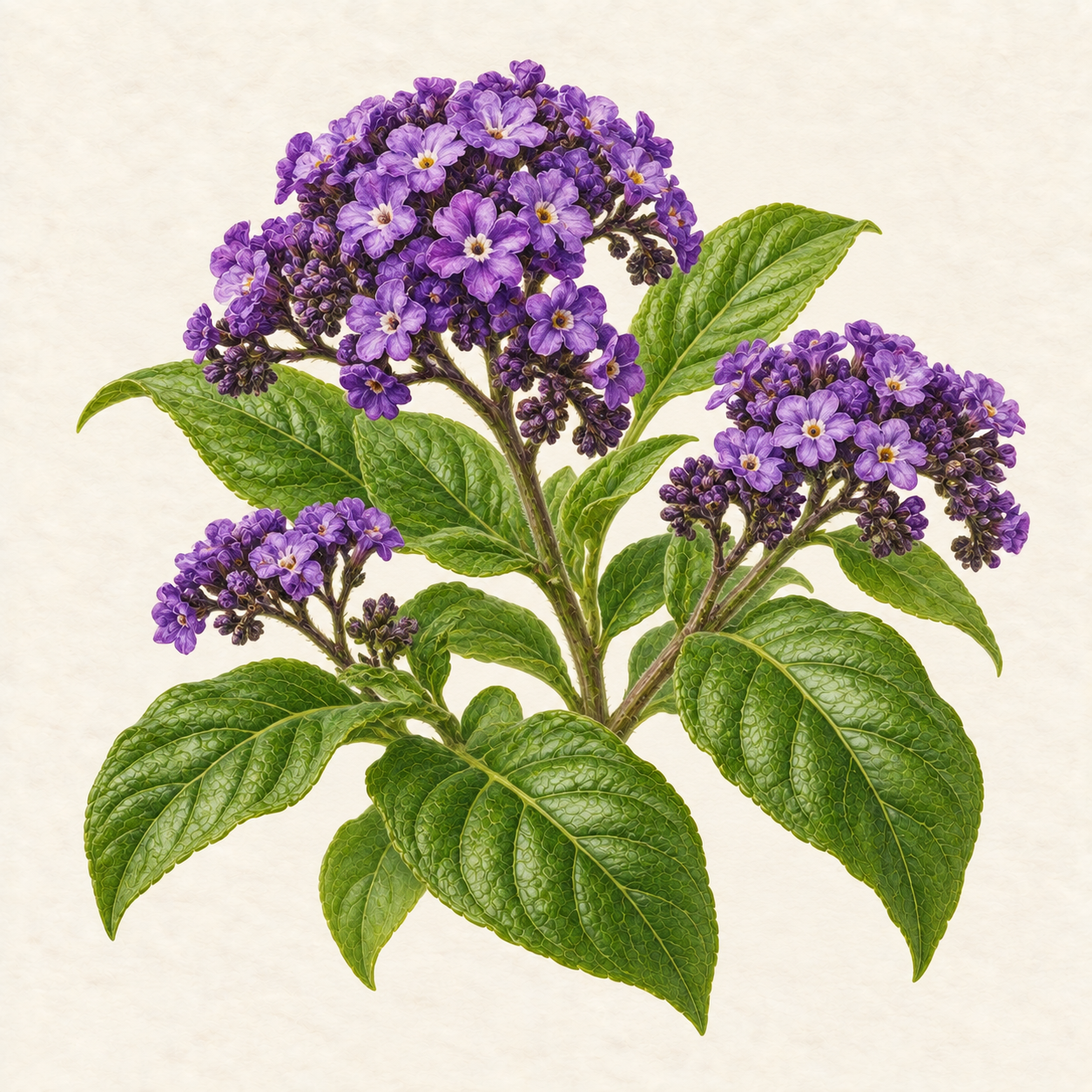
Jasmine
A rich white-floral family ranging from luminous and fruity to indolic, tea-like and animalic, with major differences between jasmine species and extraction styles.
40 referenced entries →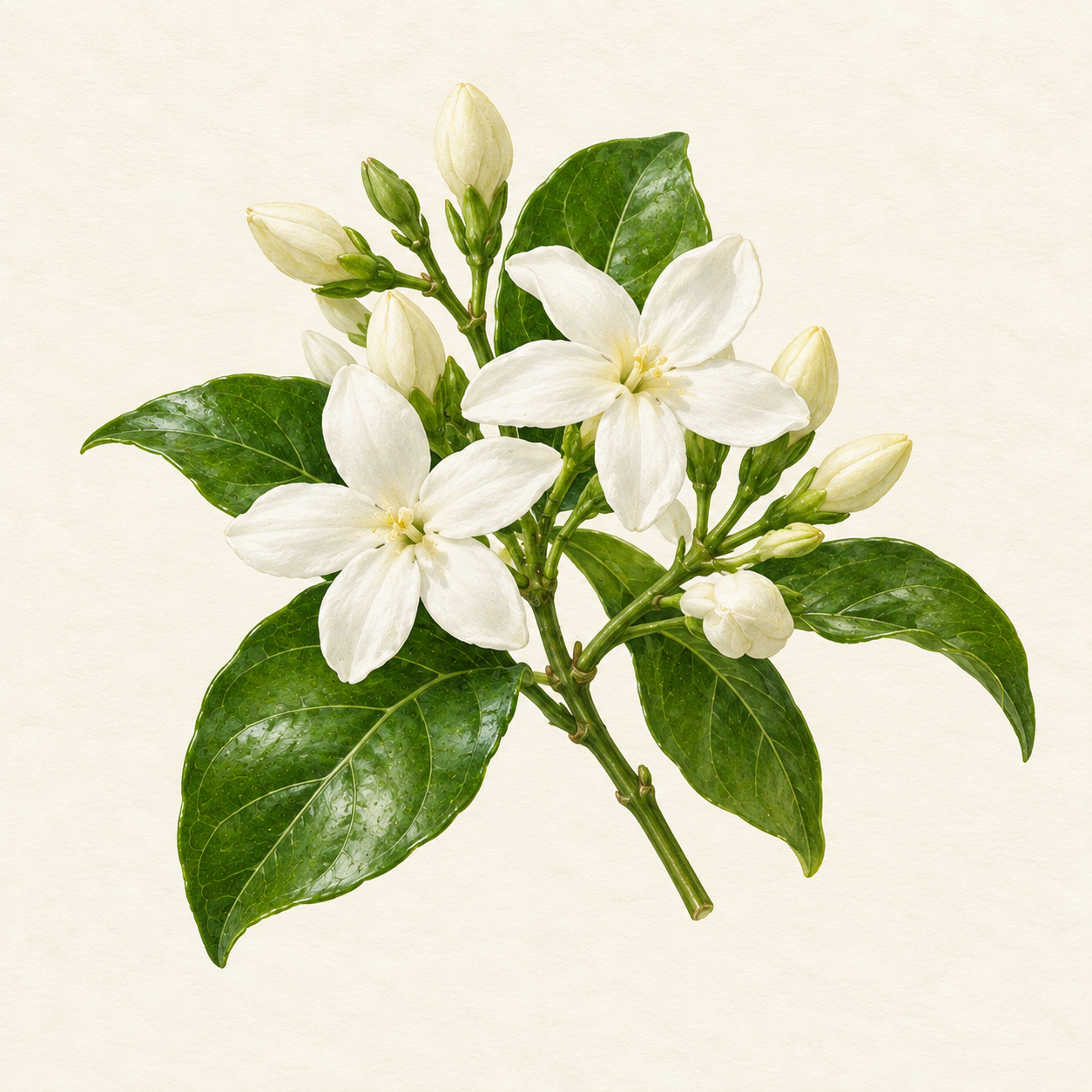
Karo-Karoundé
A named West African flowering-shrub note, best known from the heart of L'Artisan Parfumeur's Timbuktu; its precise perfumery preparation is not specified.
1 referenced entry →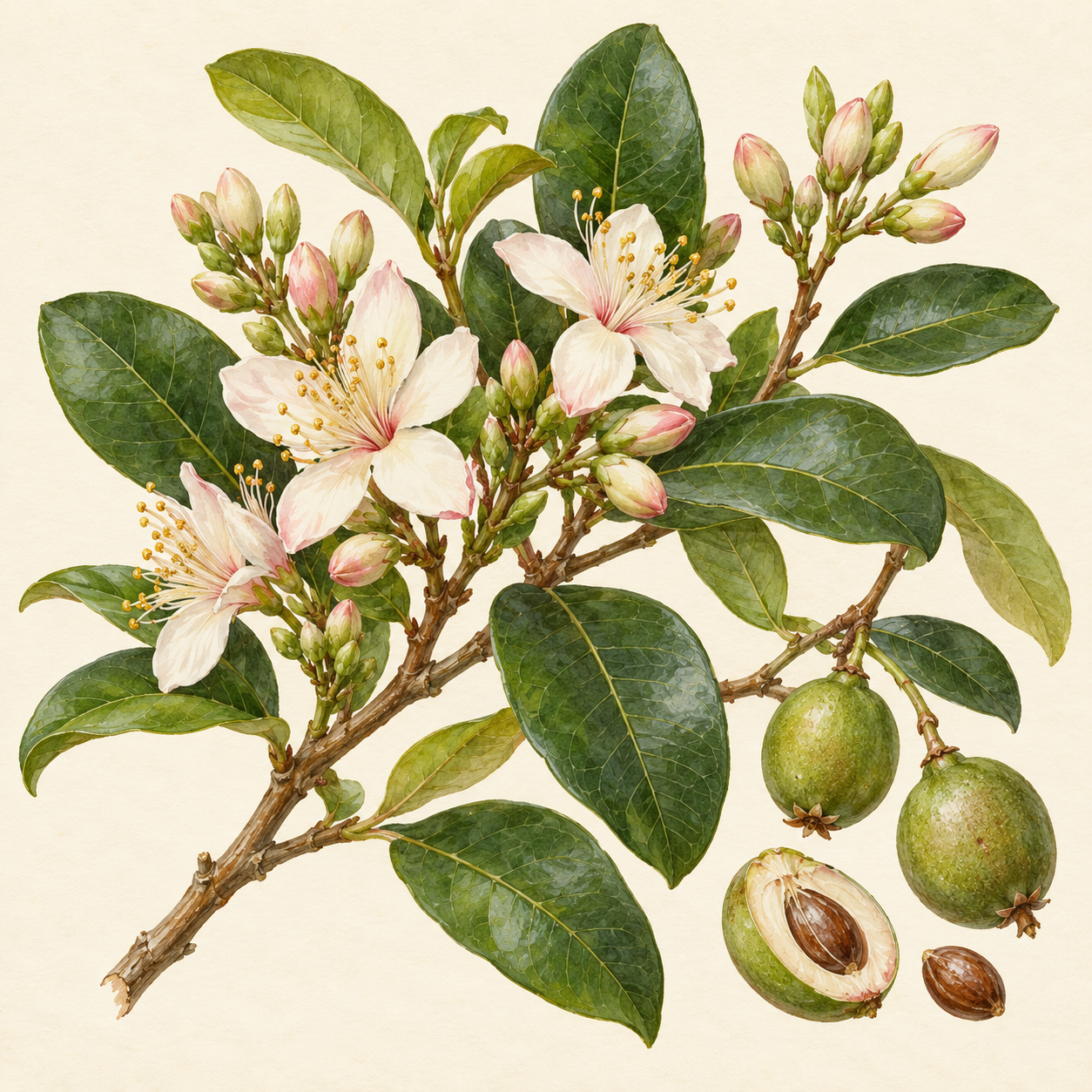
Lilac
A soft spring floral reference combining powder, honey, green freshness and jasmine-like facets, commonly represented in perfume through reconstructed accords.
2 referenced entries →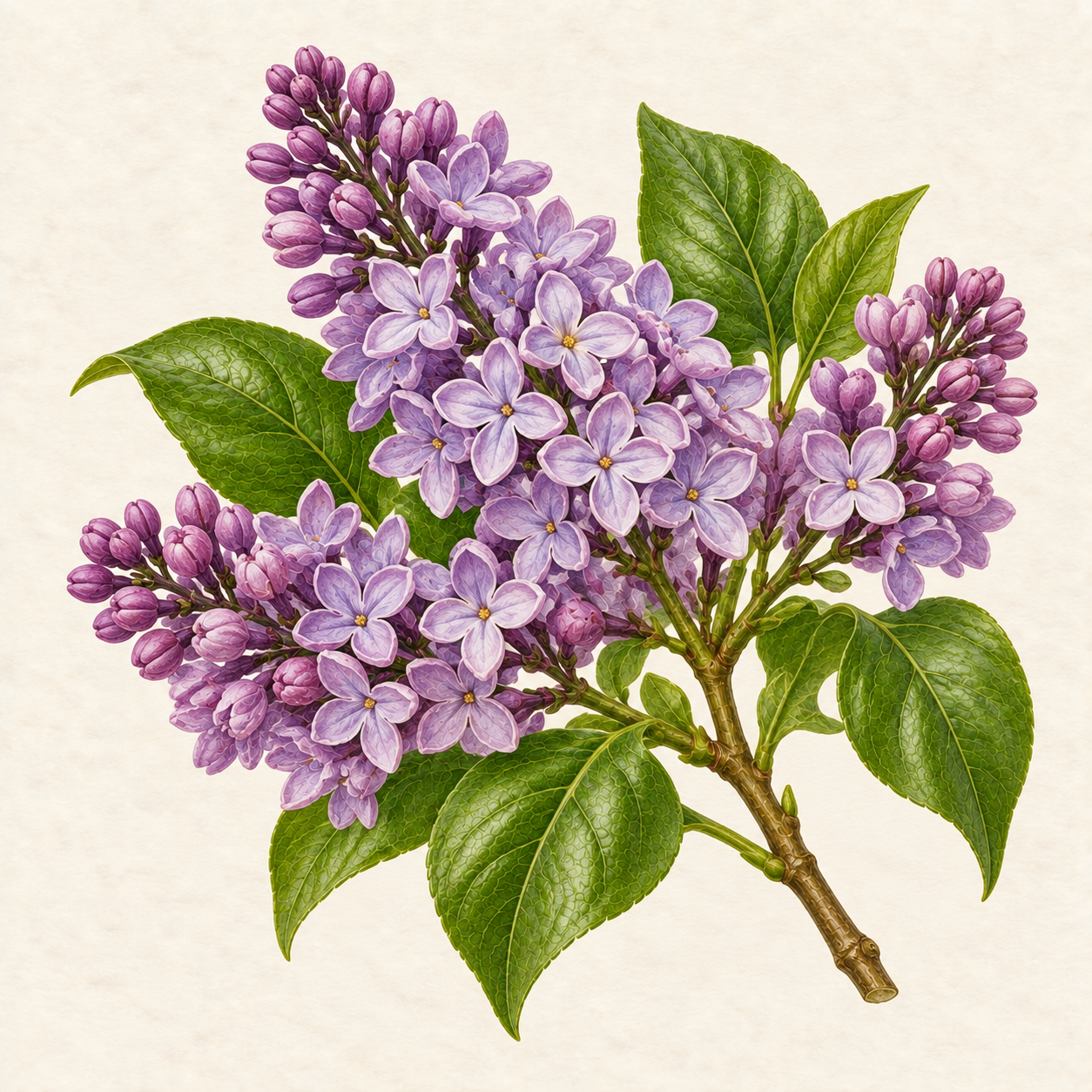
Lily-of-the-Valley
A fresh dewy green-floral effect inspired by Convallaria majalis and reconstructed synthetically because the flower has no commercially viable traditional essential oil or absolute.
8 referenced entries →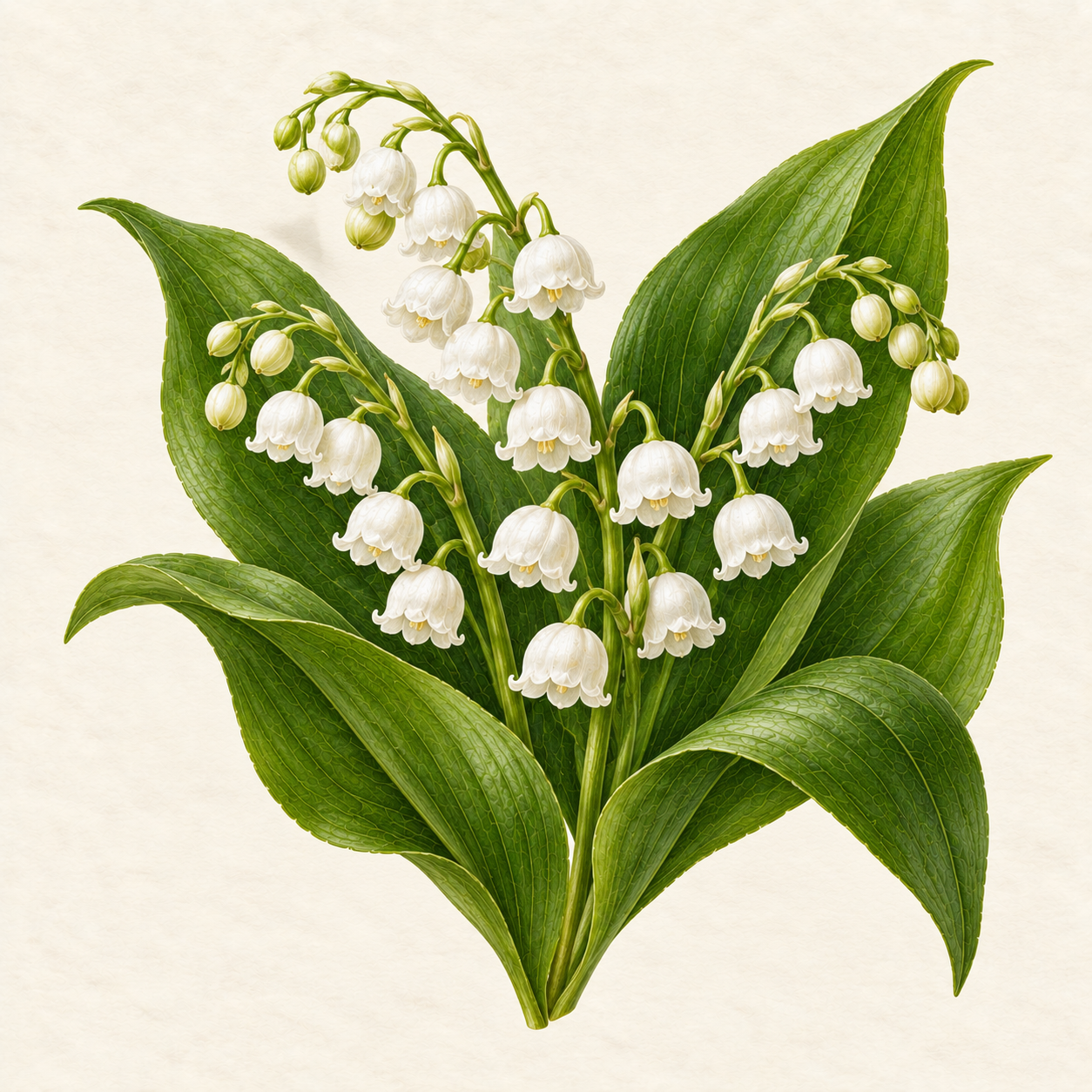
Linden Blossom
An airy honeyed floral reference combining nectar, green leaves, pollen and tea-like warmth, strongly associated with flowering linden trees in early summer.
1 referenced entry →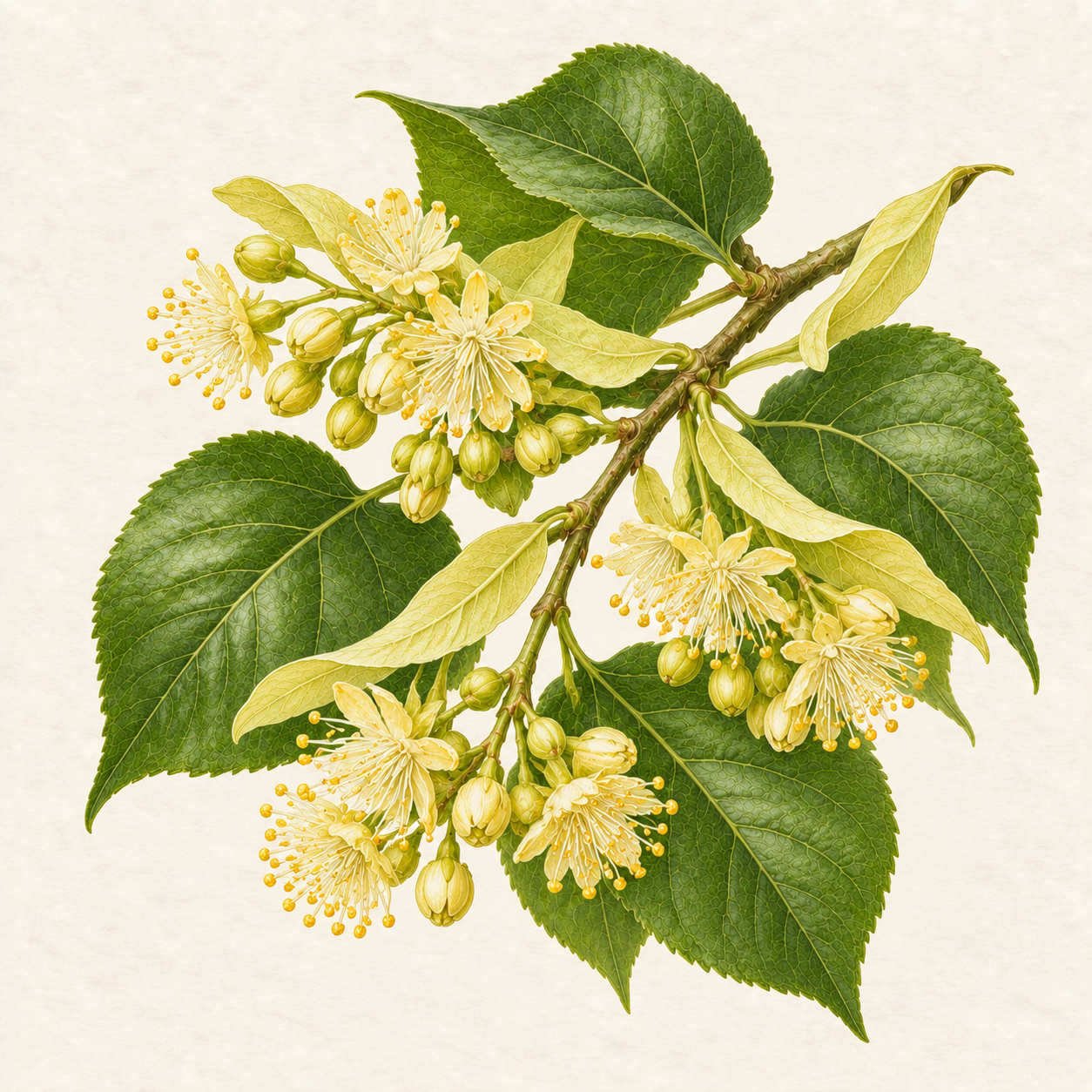
Lotus
An aquatic-floral reference associated with sacred lotus, often expressed in perfumery as a transparent watery accord rather than as one standardized natural extract.
1 referenced entry →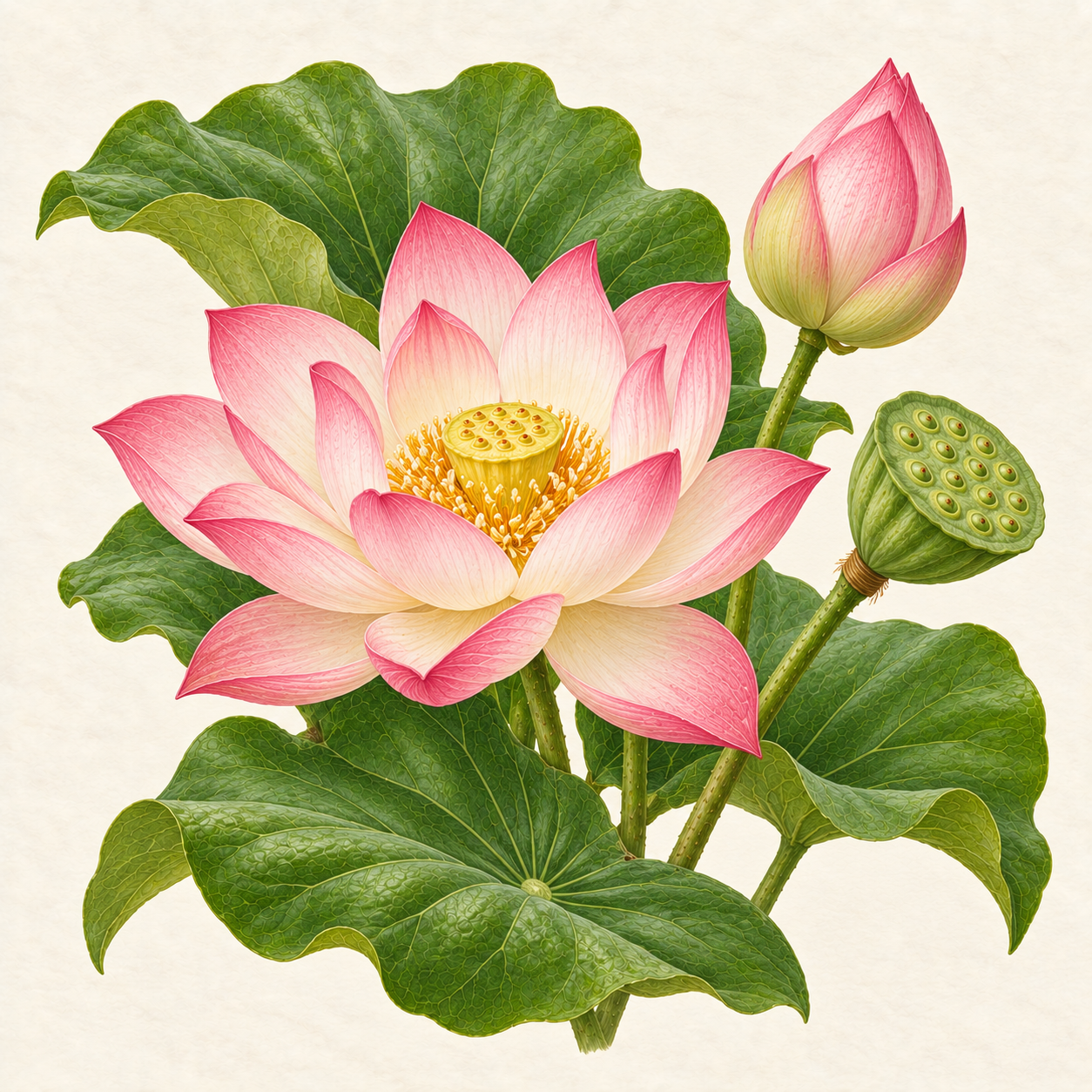
Magnolia
A luminous floral reference balancing citrus, green, creamy and slightly woody facets; "magnolia" in perfumery can refer to several Magnolia species or to reconstructed floral accords.
2 referenced entries →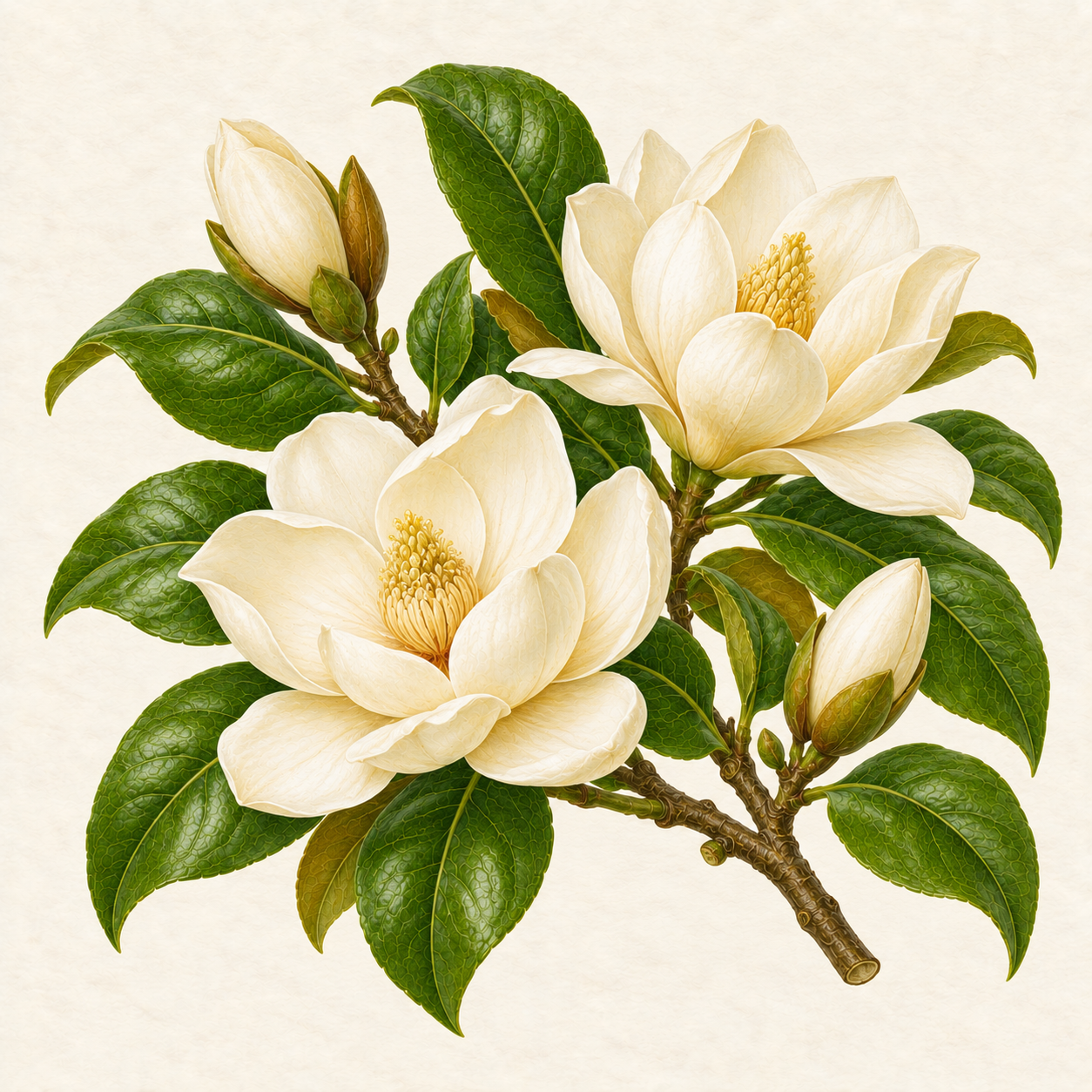
Mimosa
A soft yellow-floral material with powdery, honeyed, pollen-like and green facets, usually encountered as mimosa absolute or a reconstructed mimosa accord.
5 referenced entries →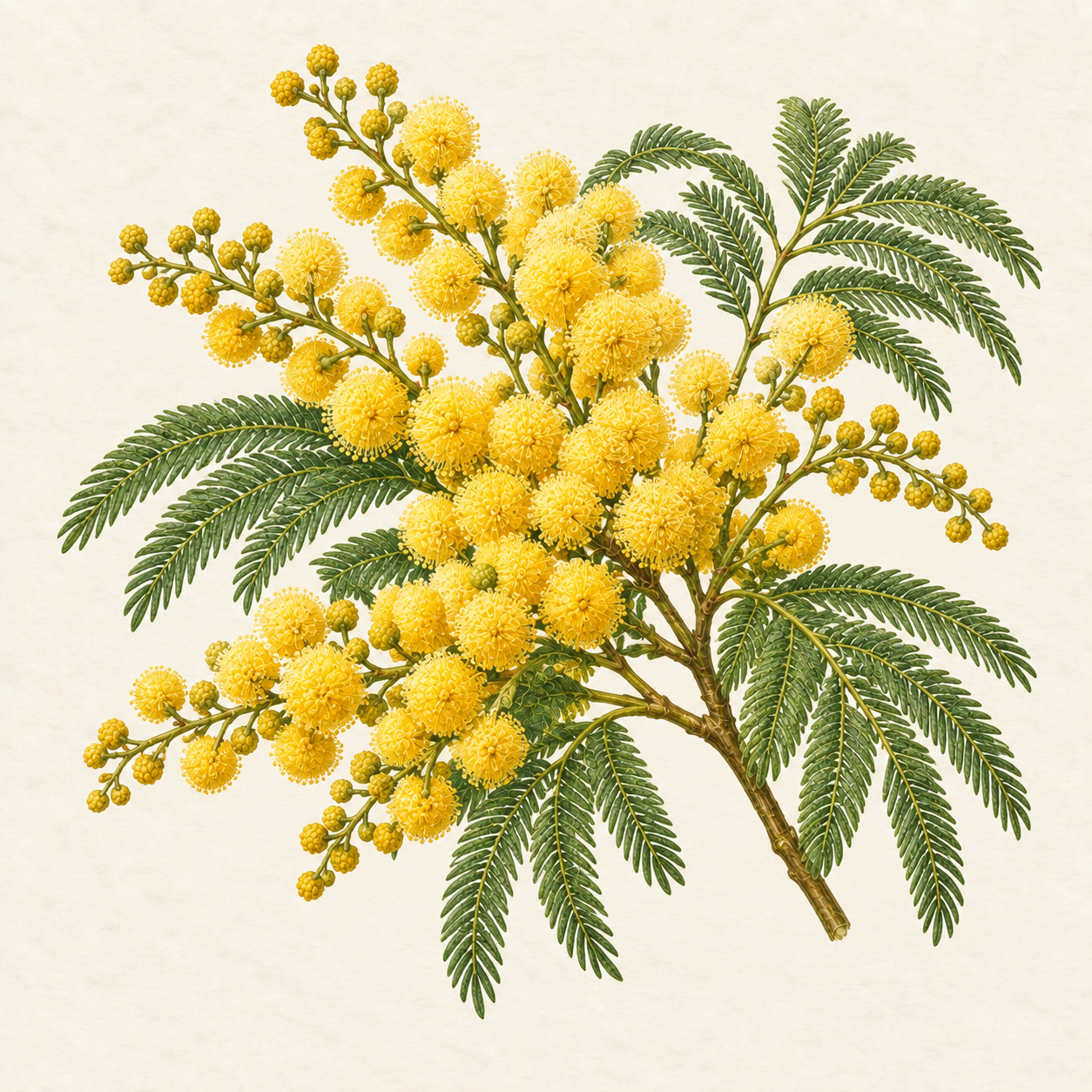
Orchid
A broad floral note used to evoke orchid-like softness, sweetness or exotic floral character; in perfume it is generally an accord rather than a standardized natural extract.
1 referenced entry →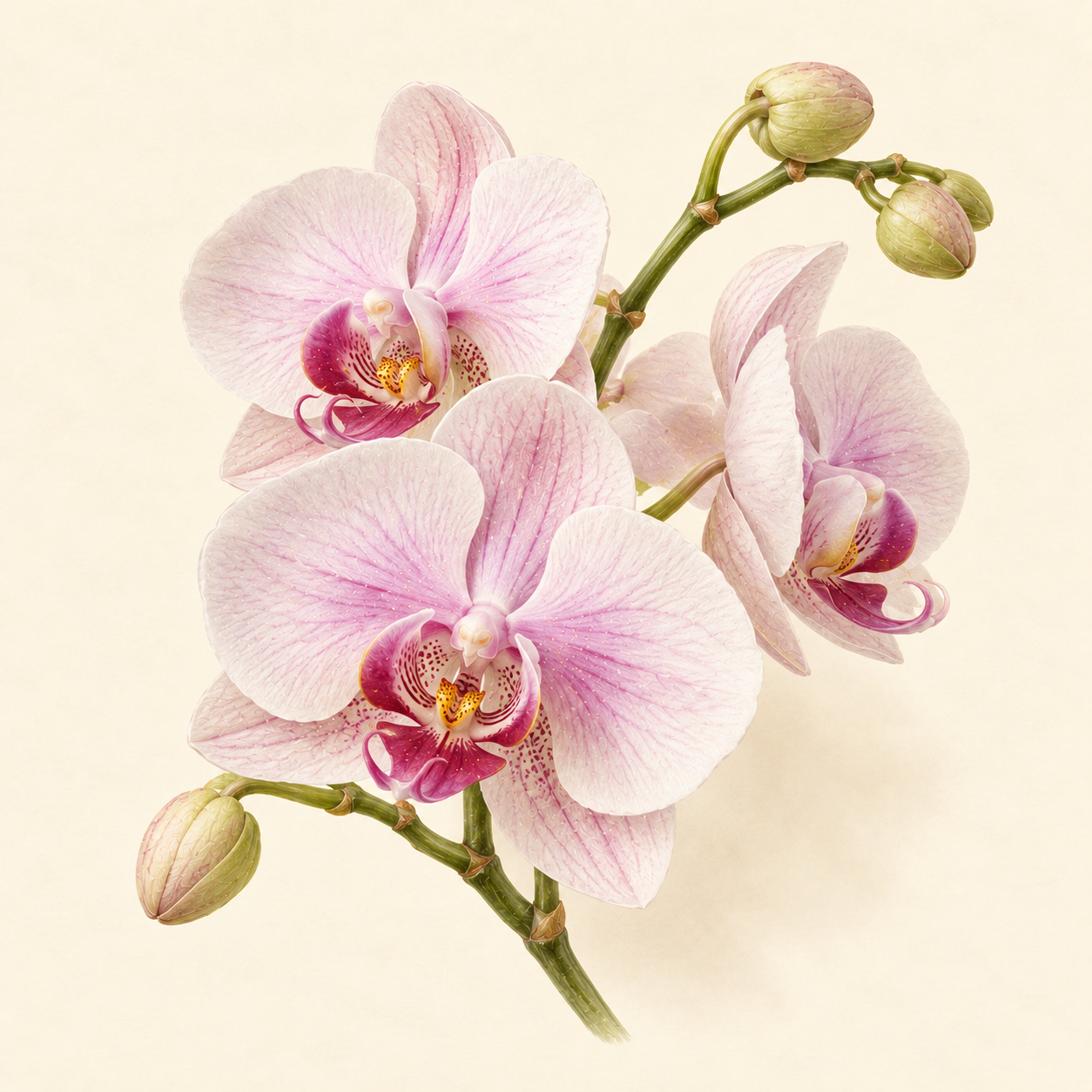
Osmanthus
A distinctive floral material combining apricot-like fruit, soft leather, tea, violet and creamy floral facets, with notable variation between cultivars.
4 referenced entries →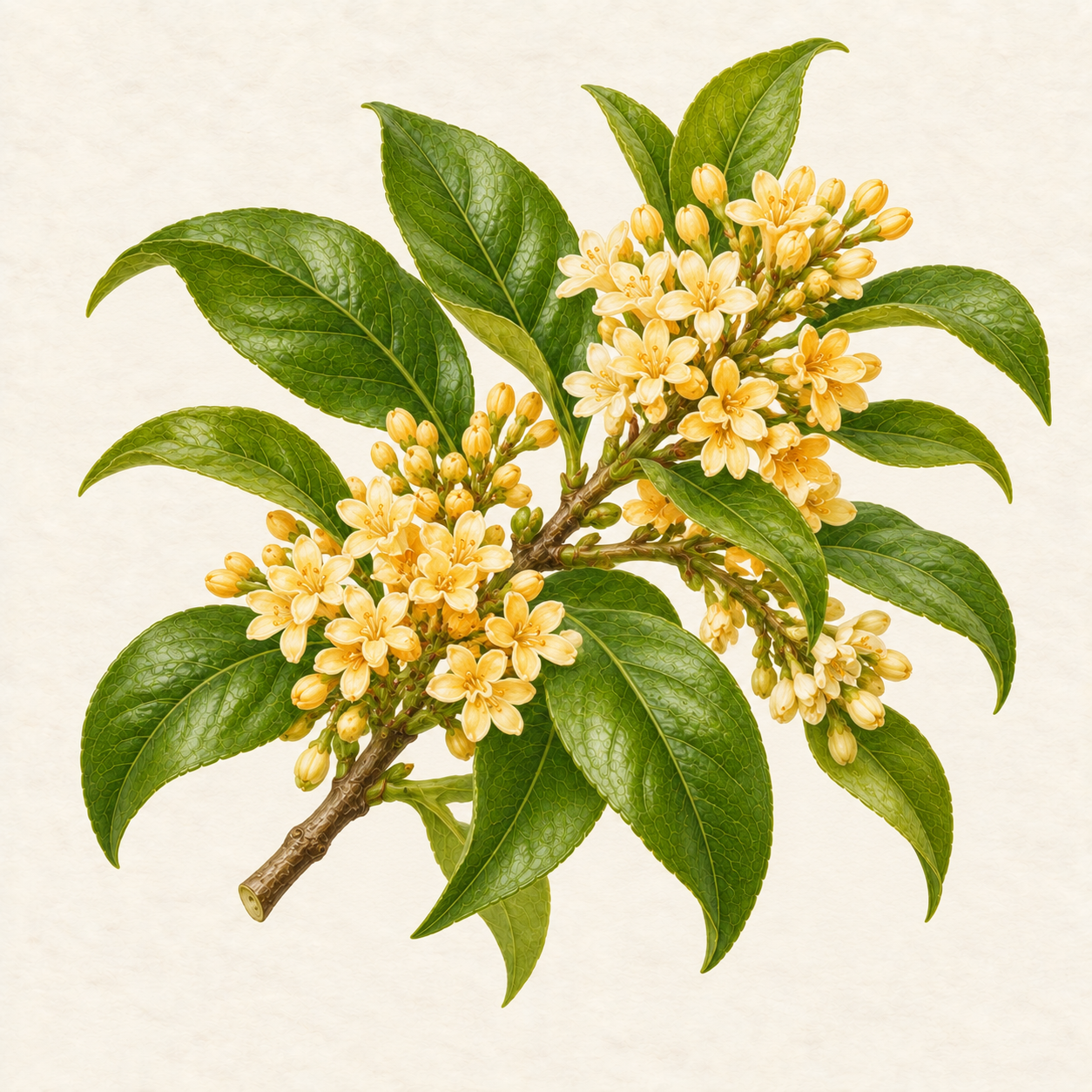
Peony
A light dewy floral note with fresh petals, green facets and soft rosy transparency, generally represented by a constructed accord rather than a standard natural peony extract.
1 referenced entry →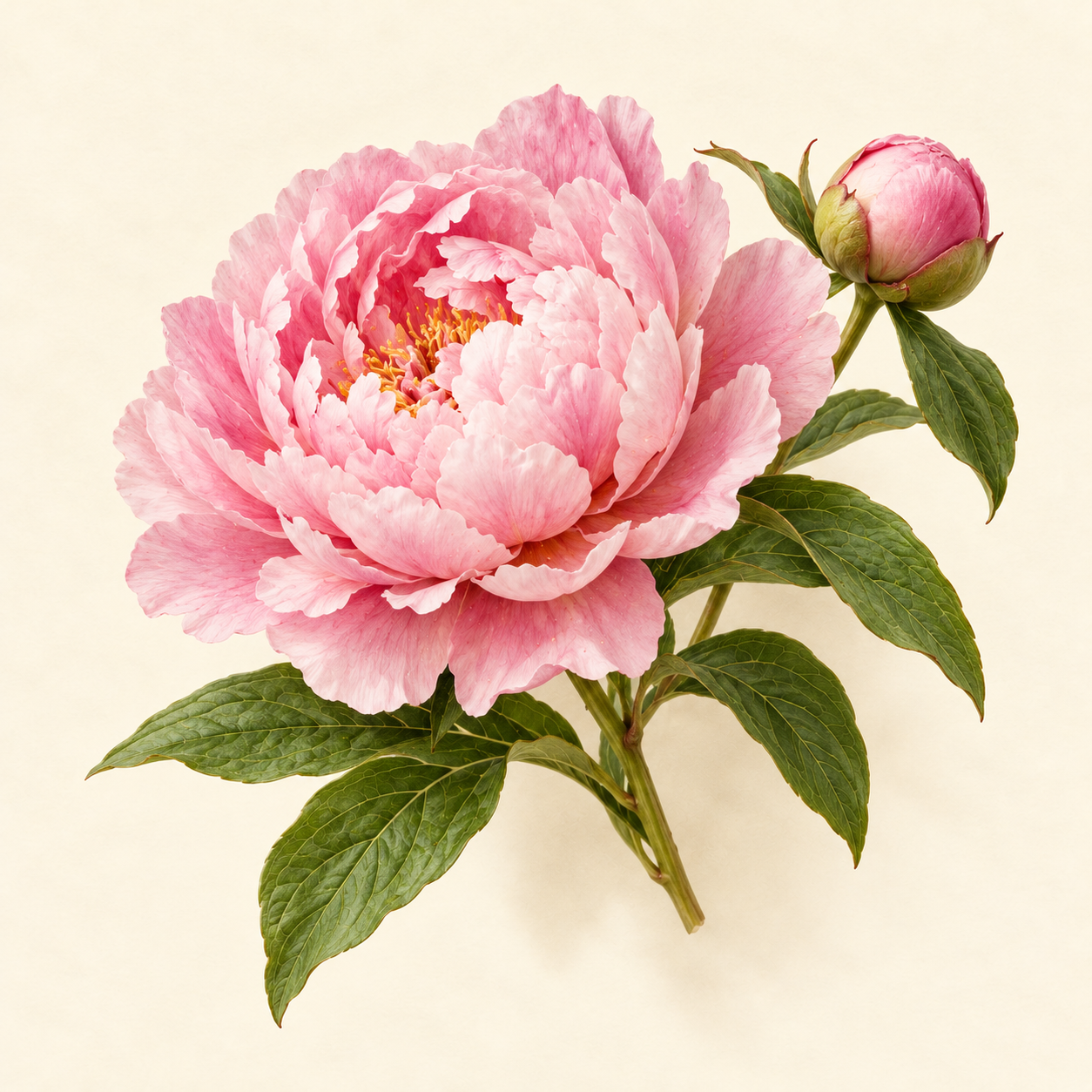
Rose
A major floral reference spanning fresh petals, honeyed sweetness, green facets, spice and darker wine-like depth depending on species and extraction.
80 referenced entries →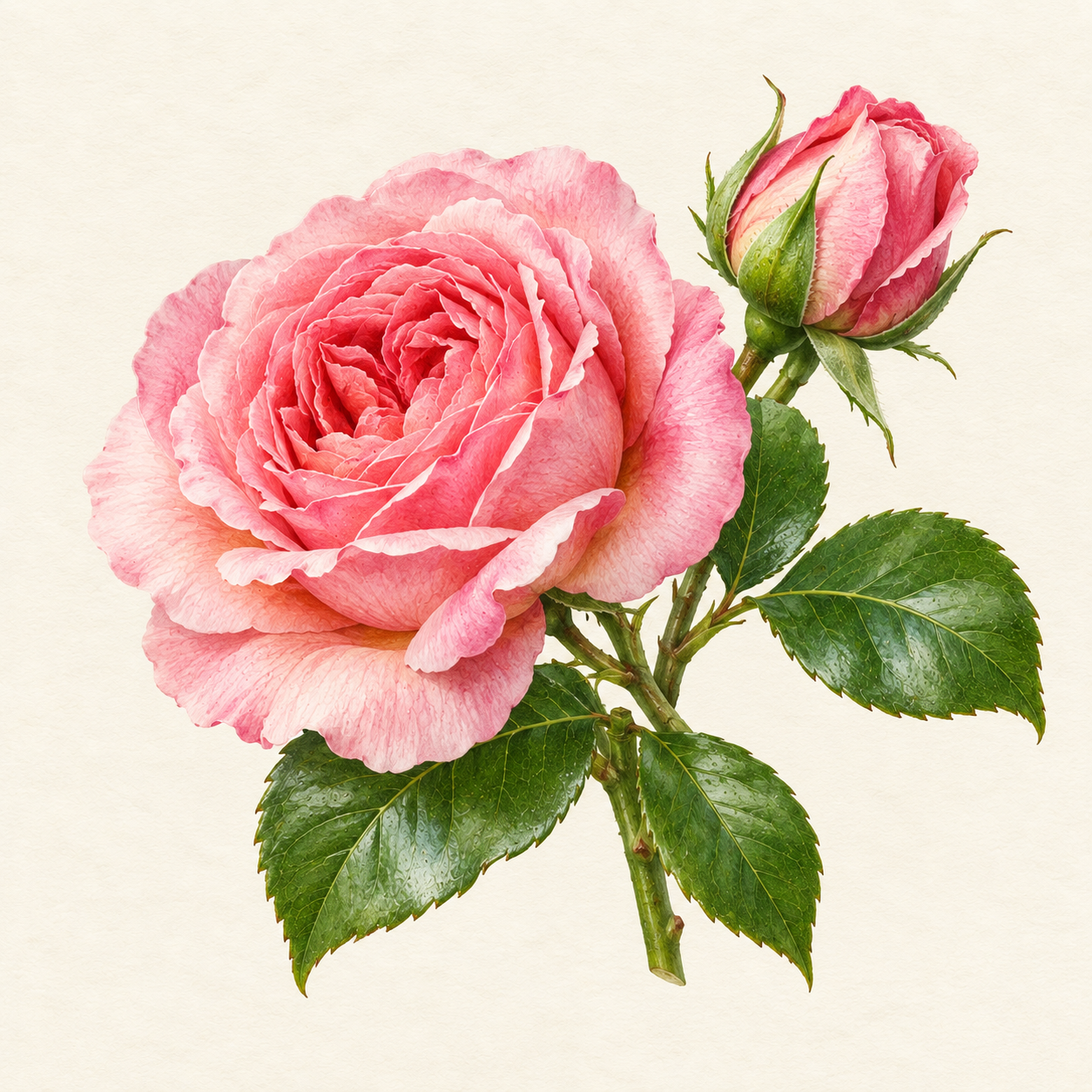
Tuberose
An intensely scented white-floral material known for creamy, green, narcotic and sometimes mentholated or animalic facets.
3 referenced entries →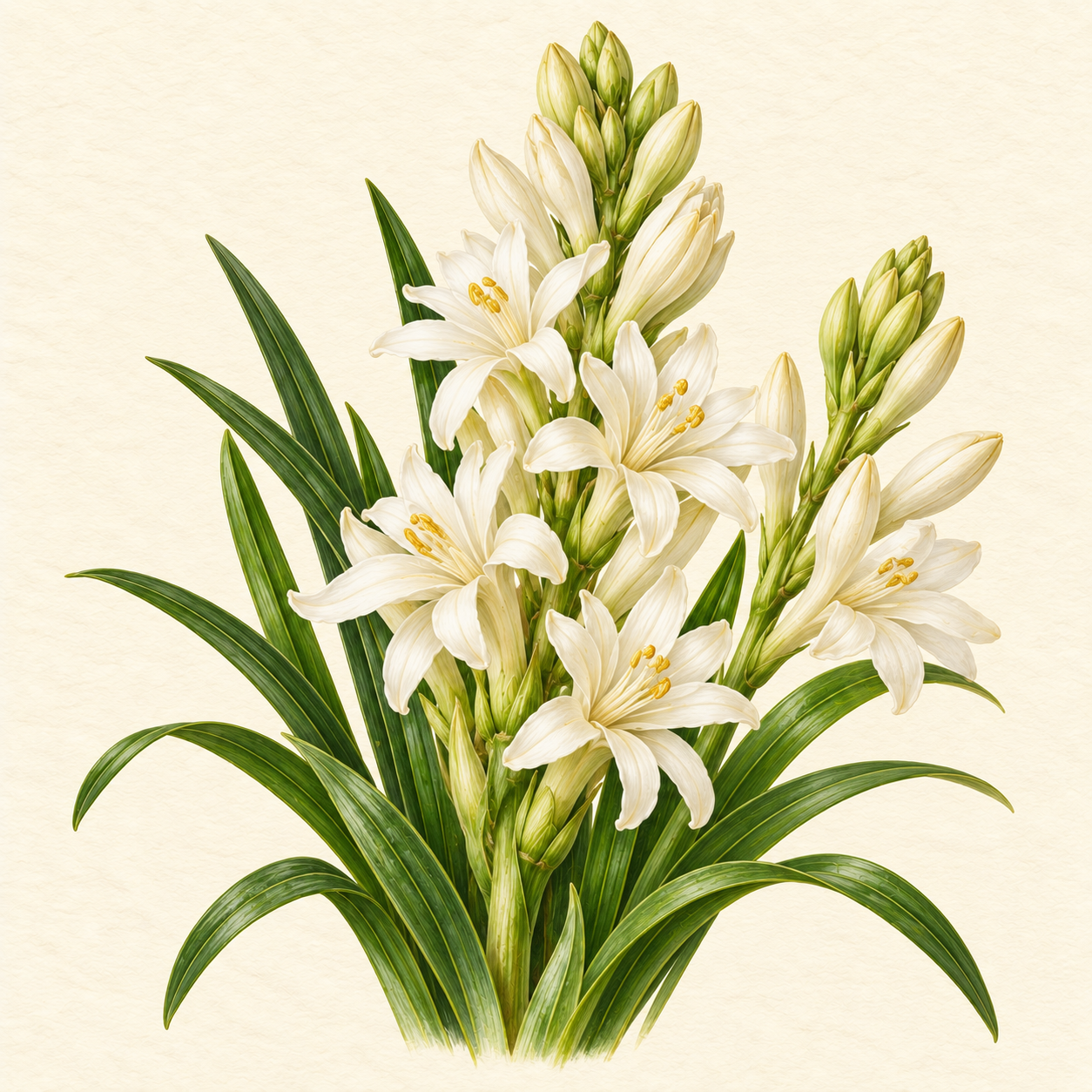
Violet
A soft, powdery violet-flower reference usually reconstructed with ionone-family materials, distinct from the green, watery smell of violet leaf absolute.
9 referenced entries →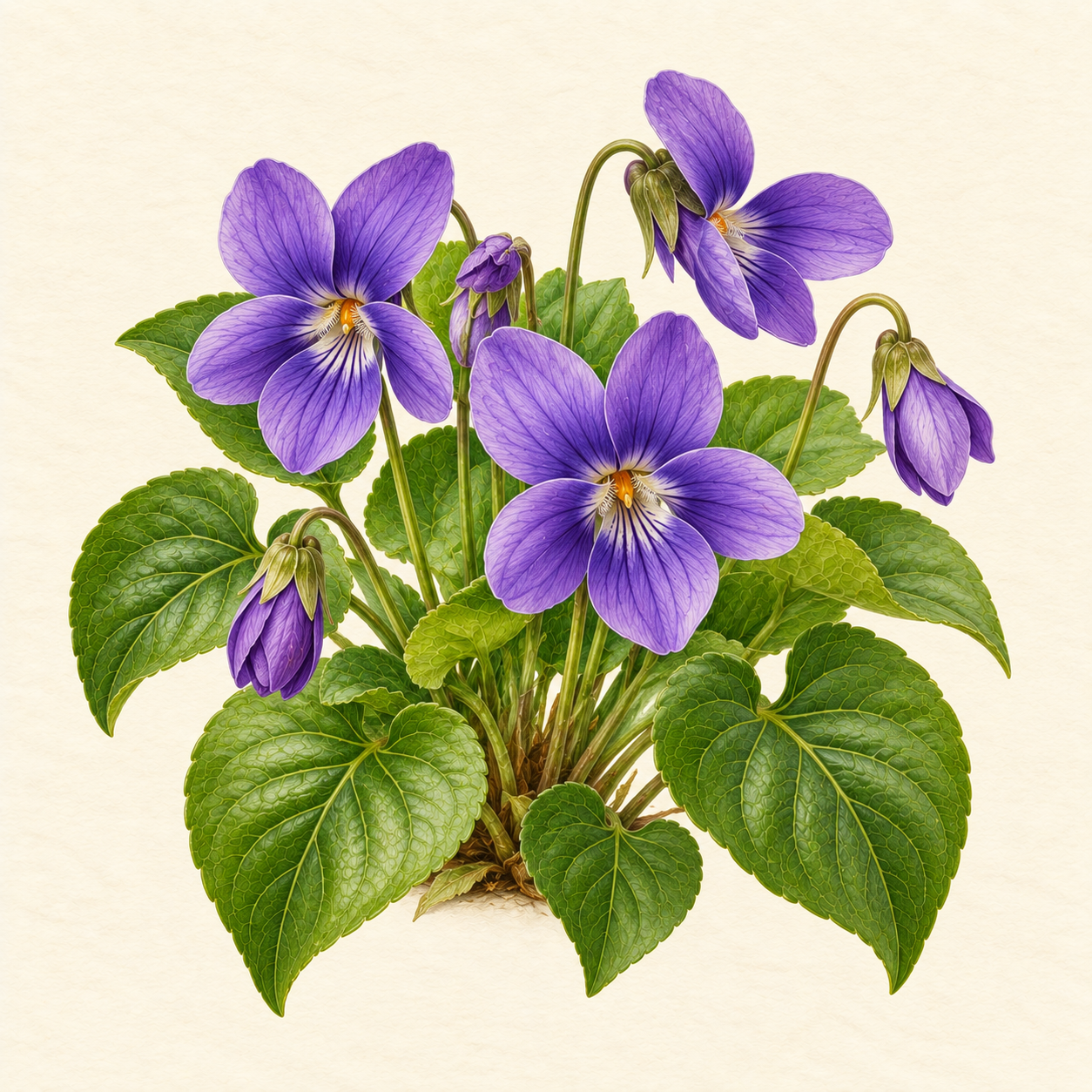
Ylang-Ylang
A powerful tropical floral material combining creamy sweetness, banana-like fruitiness, spice and narcotic white-floral depth, sold in distinct distillation fractions.
12 referenced entries →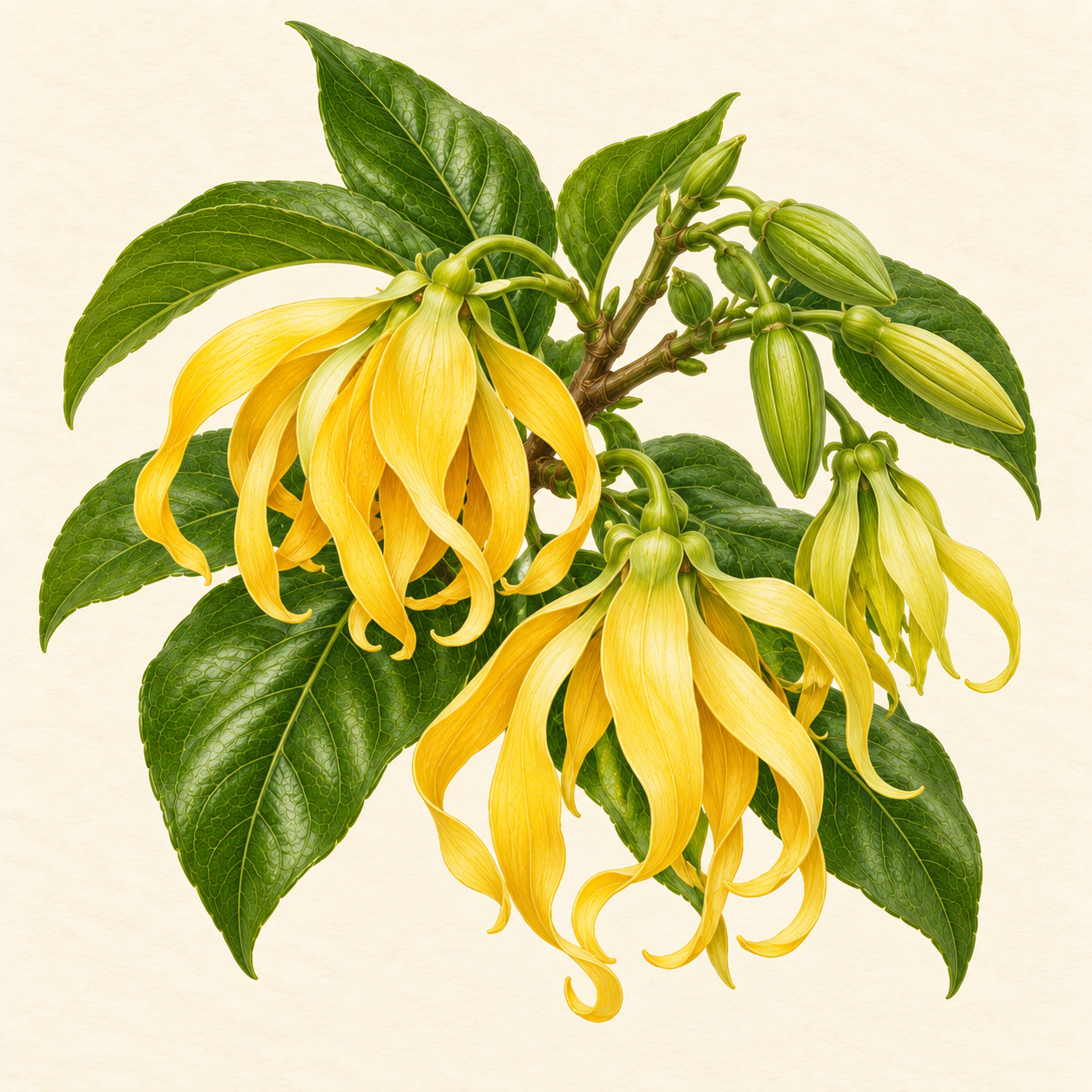
BROWSE FAMILY
Citrus
Bergamot
A distinctive citrus peel material combining sparkling freshness with floral, green and lightly bitter facets, central to cologne structures and many perfume openings.
92 referenced entries →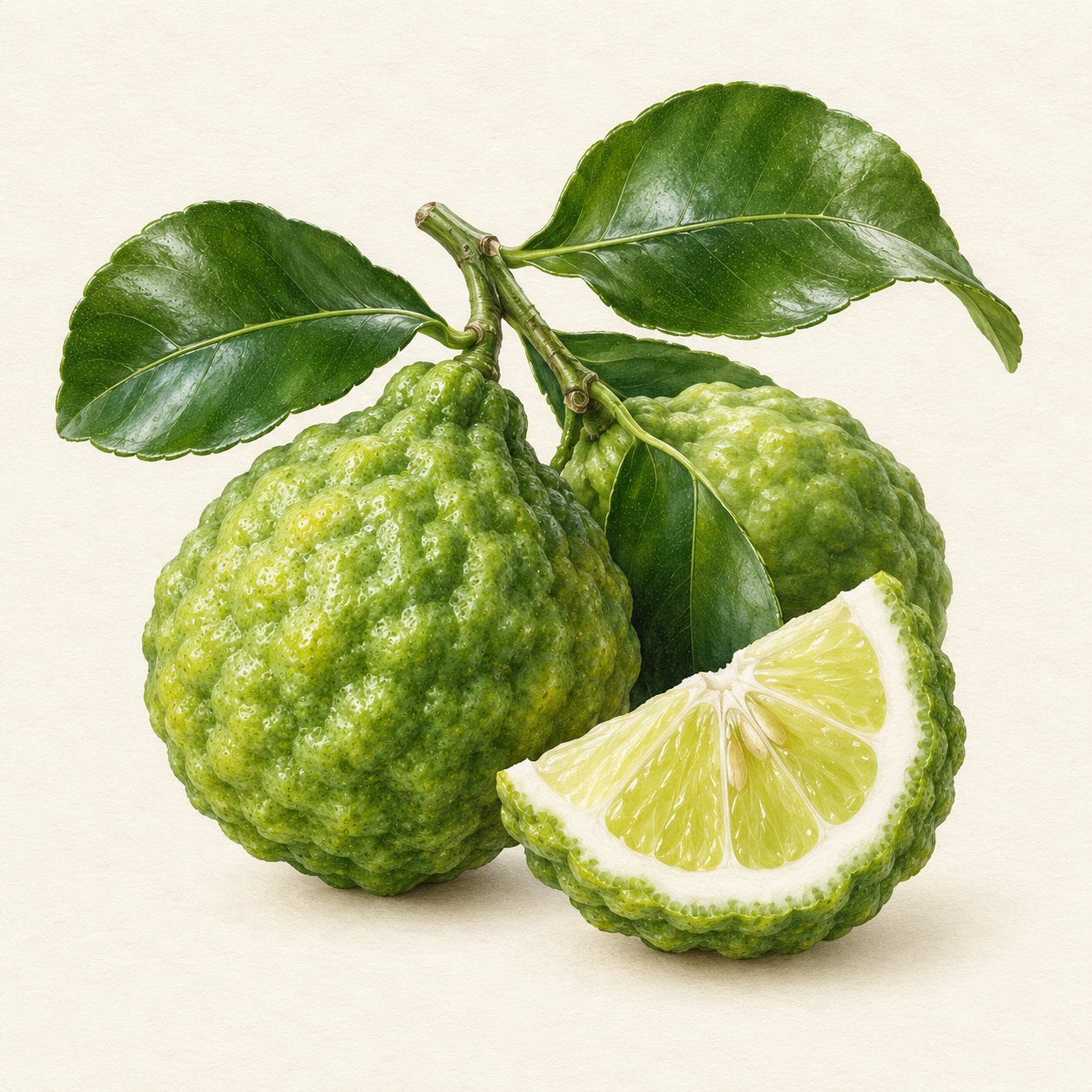
Bitter Orange
A tart, dry citrus note with bitter peel, aromatic zest and less sweetness than sweet orange. Bitter-orange leaf, neroli/petitgrain and sweet orange remain separate source concepts.
9 referenced entries →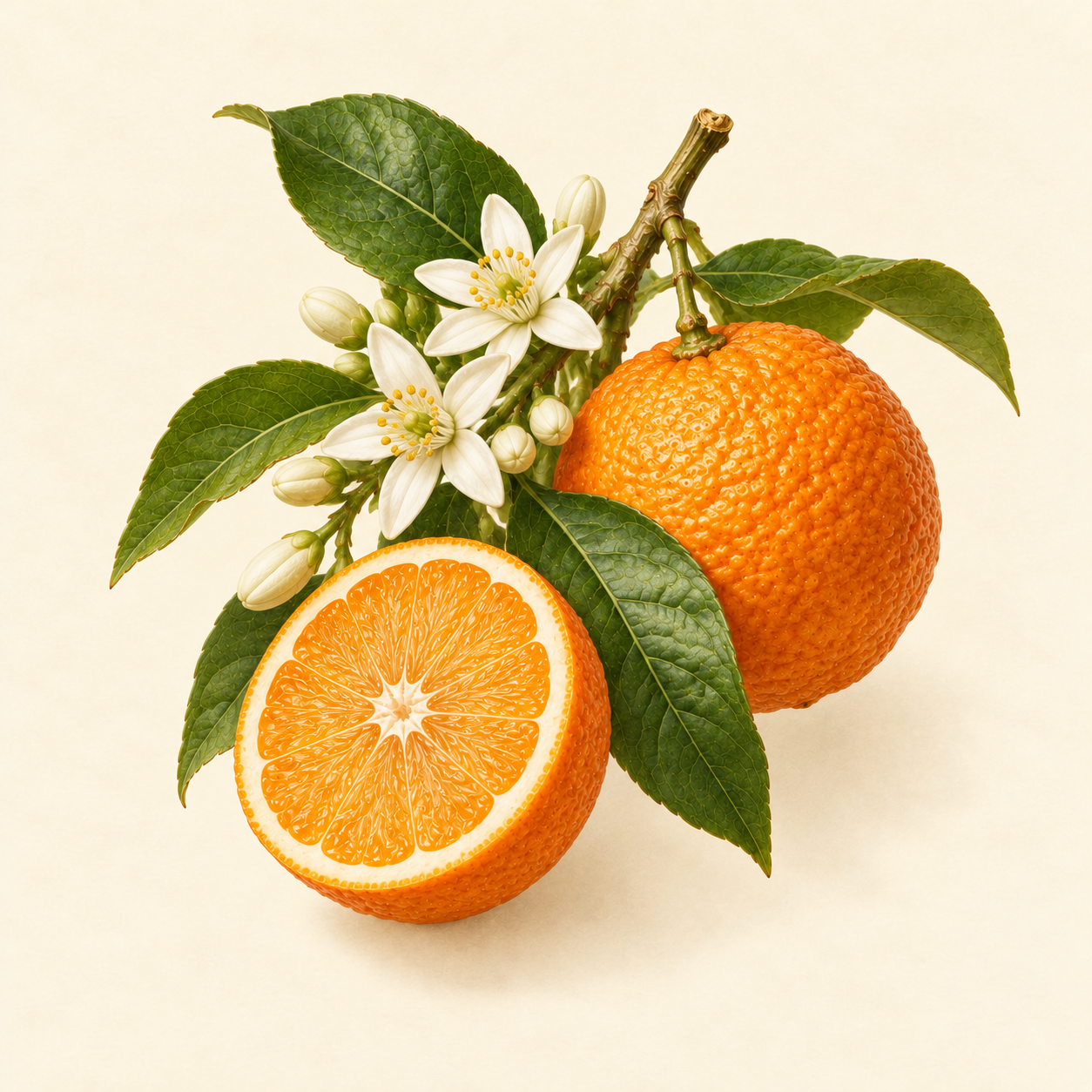
Bitter Orange Leaf
A green, dry citrus-leaf note from bitter-orange foliage, leafier and more aromatic than the fruit; preserved as its own source term when a fragrance specifically lists the leaf.
1 referenced entry →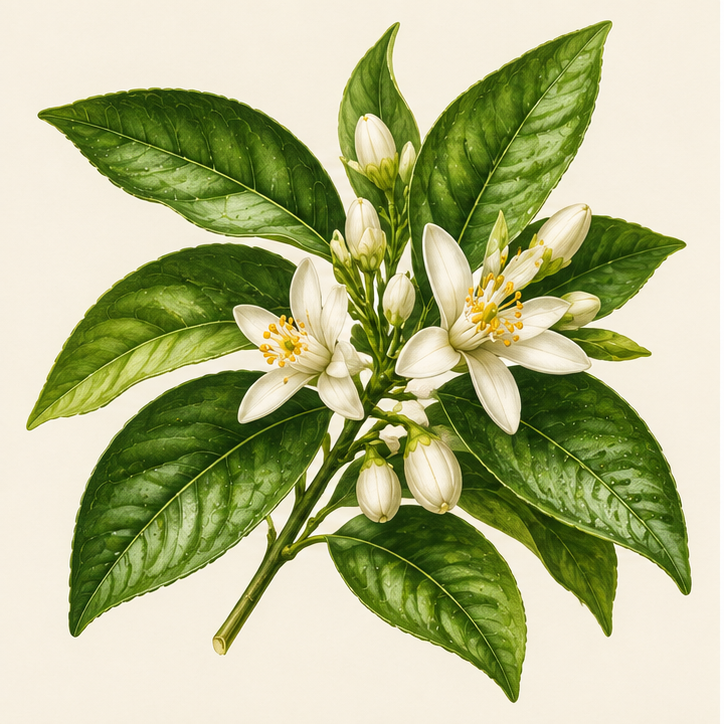
Blood Orange
A vivid orange note combining juicy citrus sweetness with tart peel and a darker fruit nuance associated with blood-orange flesh.
1 referenced entry →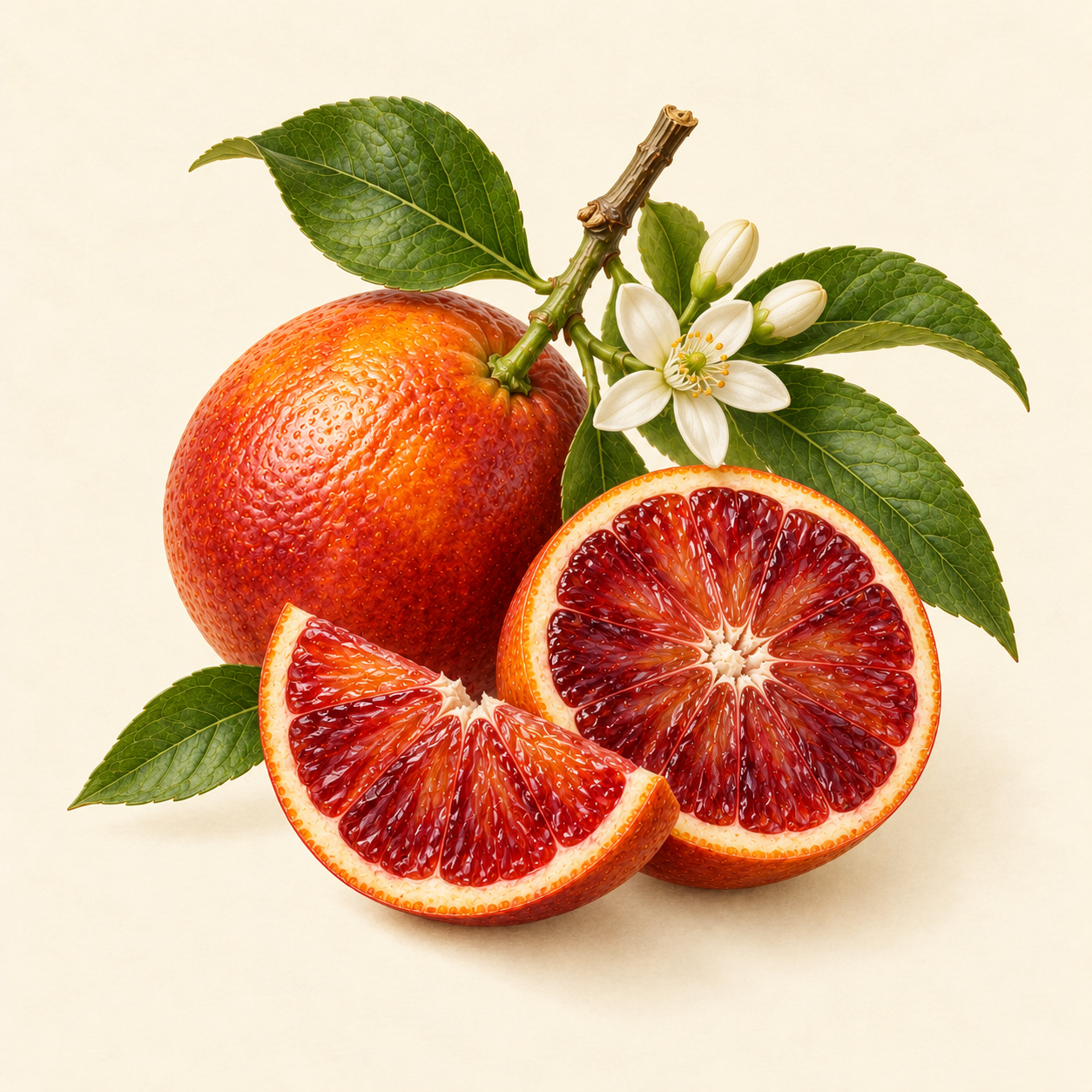
Citron
A peel-focused citrus material with bright lemony freshness, pronounced rind, pithy bitterness and a drier, less juicy character than sweet orange or mandarin.
2 referenced entries →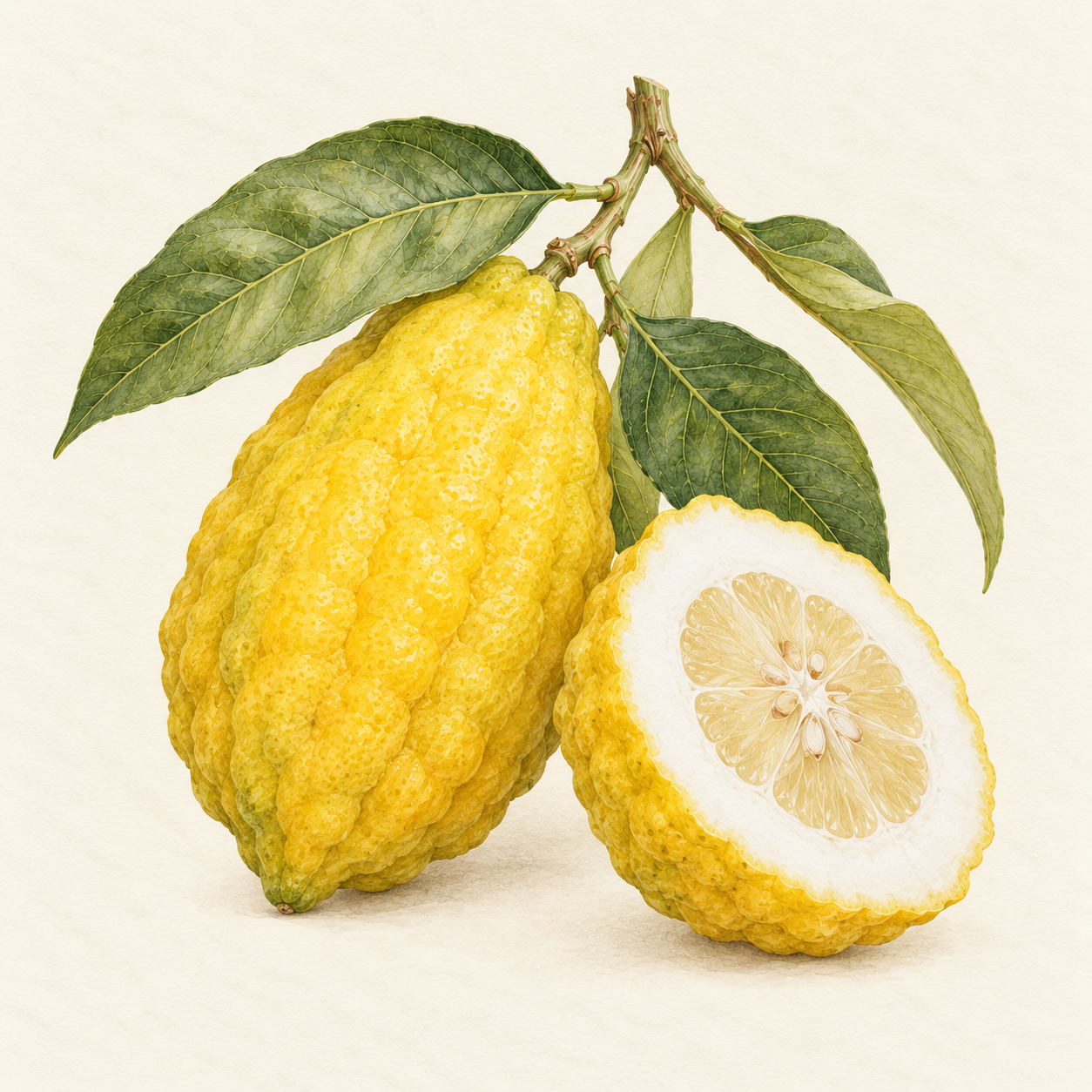
Grapefruit
A bright citrus peel material notable for bitter pith, juicy freshness and a distinctive sulfurous-fruity facet that sets it apart from lemon and sweet orange.
17 referenced entries →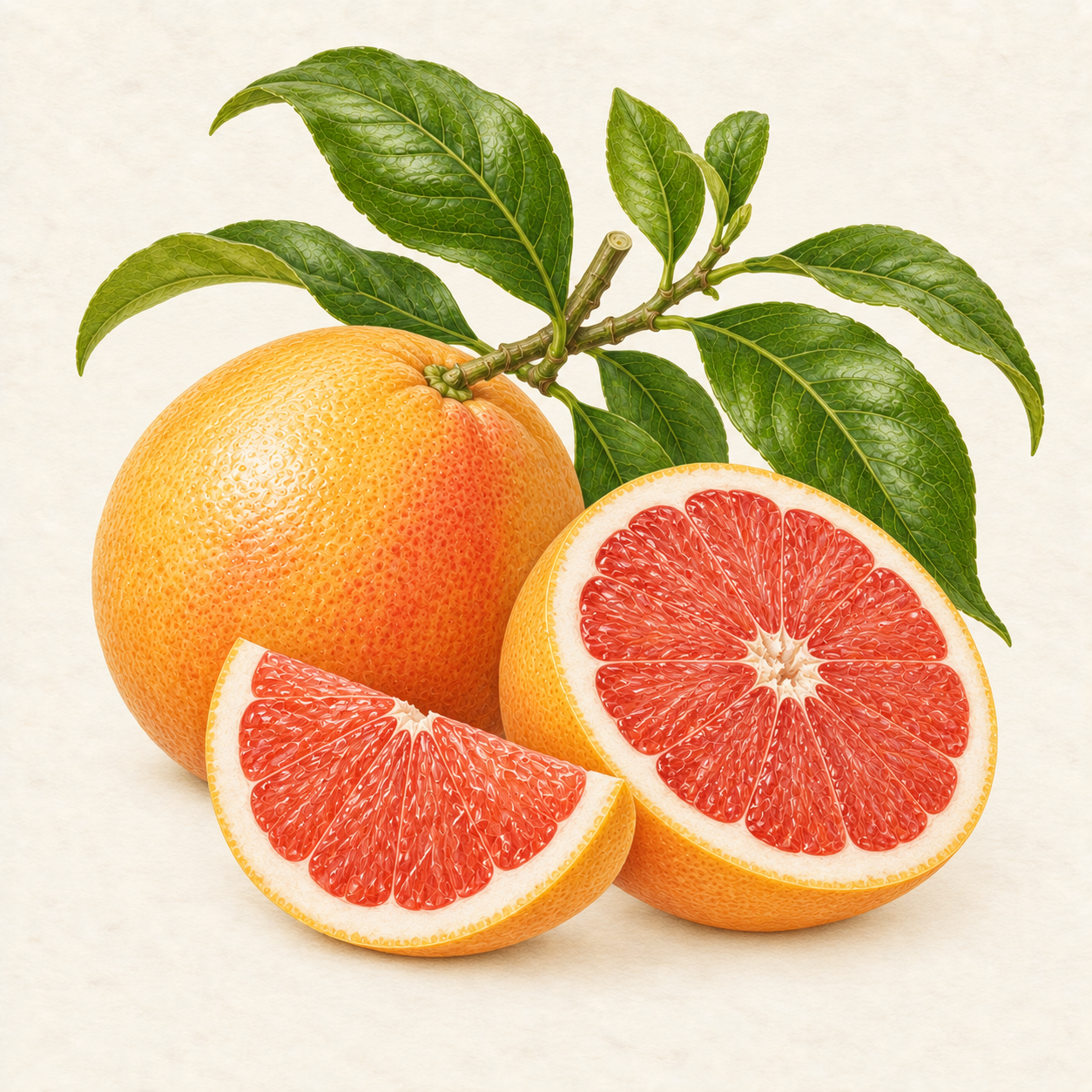
Lemon
Bright peel-derived citrus material with sharp freshness, zest, acidity-like lift and a clean aromatic edge that is more linear and piercing than many other citrus oils.
50 referenced entries →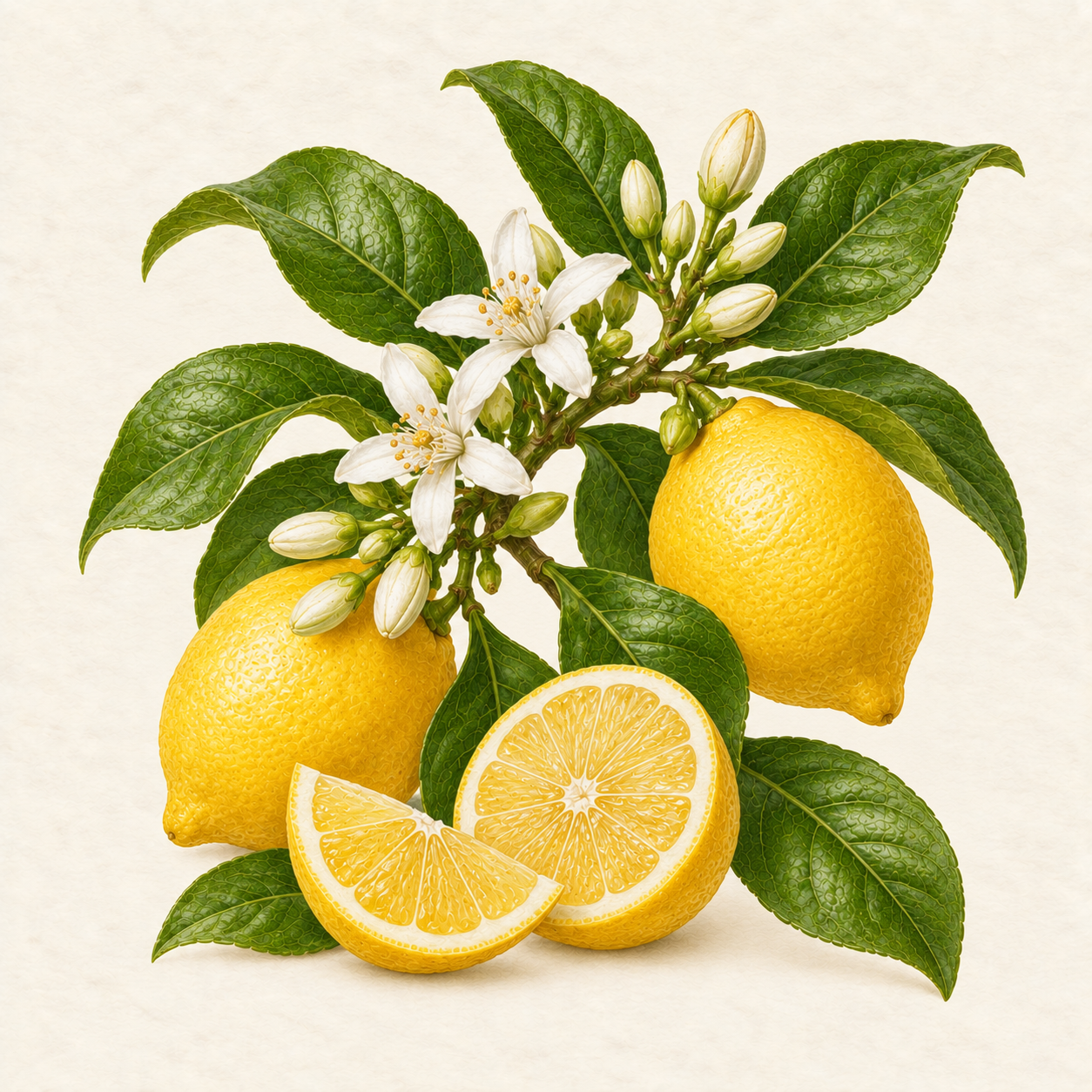
Lime
A sharp green citrus note with tart peel and zesty freshness. Generic lime wording is a fragrance note; it does not by itself establish expressed or distilled lime oil.
7 referenced entries →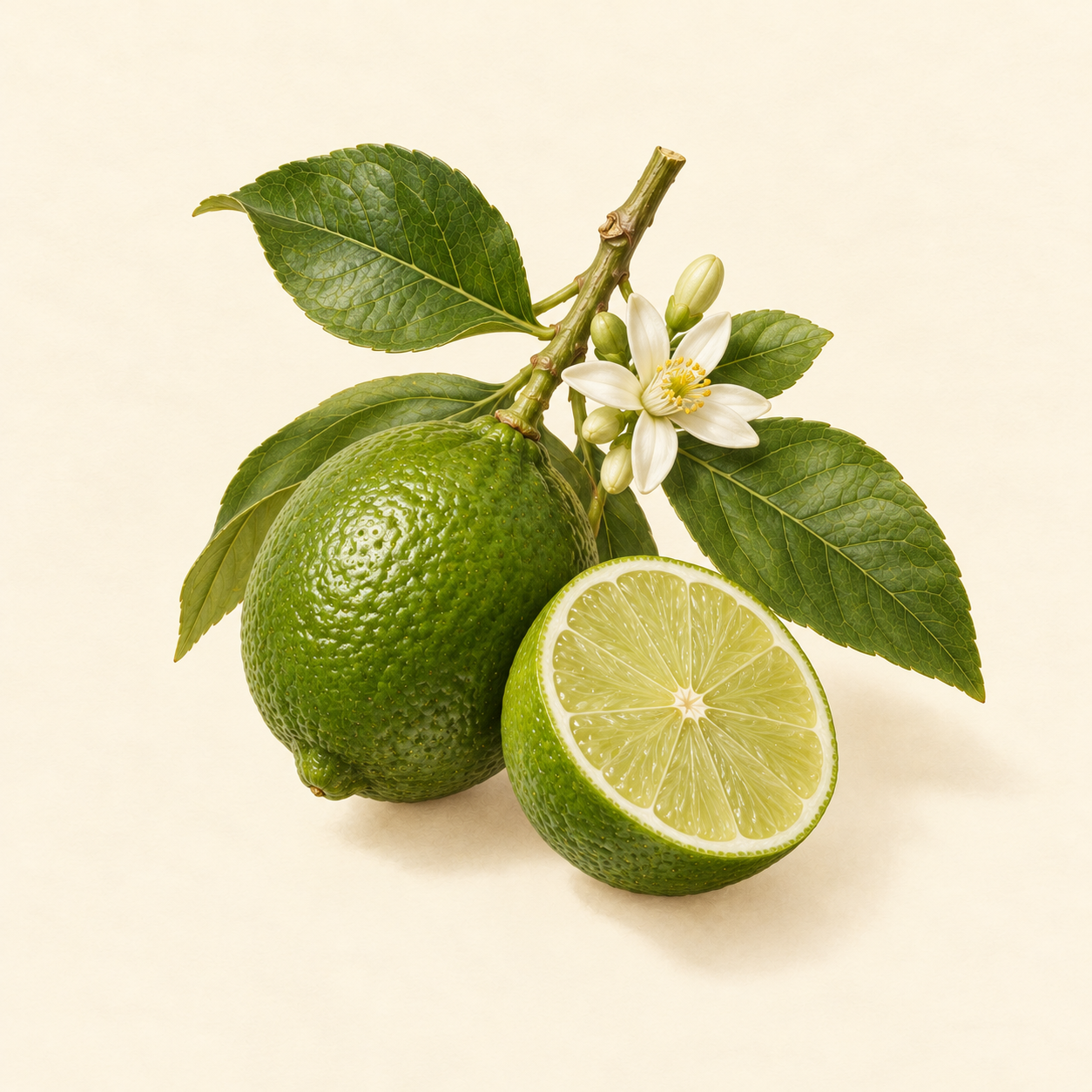
Mandarin
A soft, juicy citrus note with sweet peel, bright zest and a rounder, less sharp profile than lemon or grapefruit.
24 referenced entries →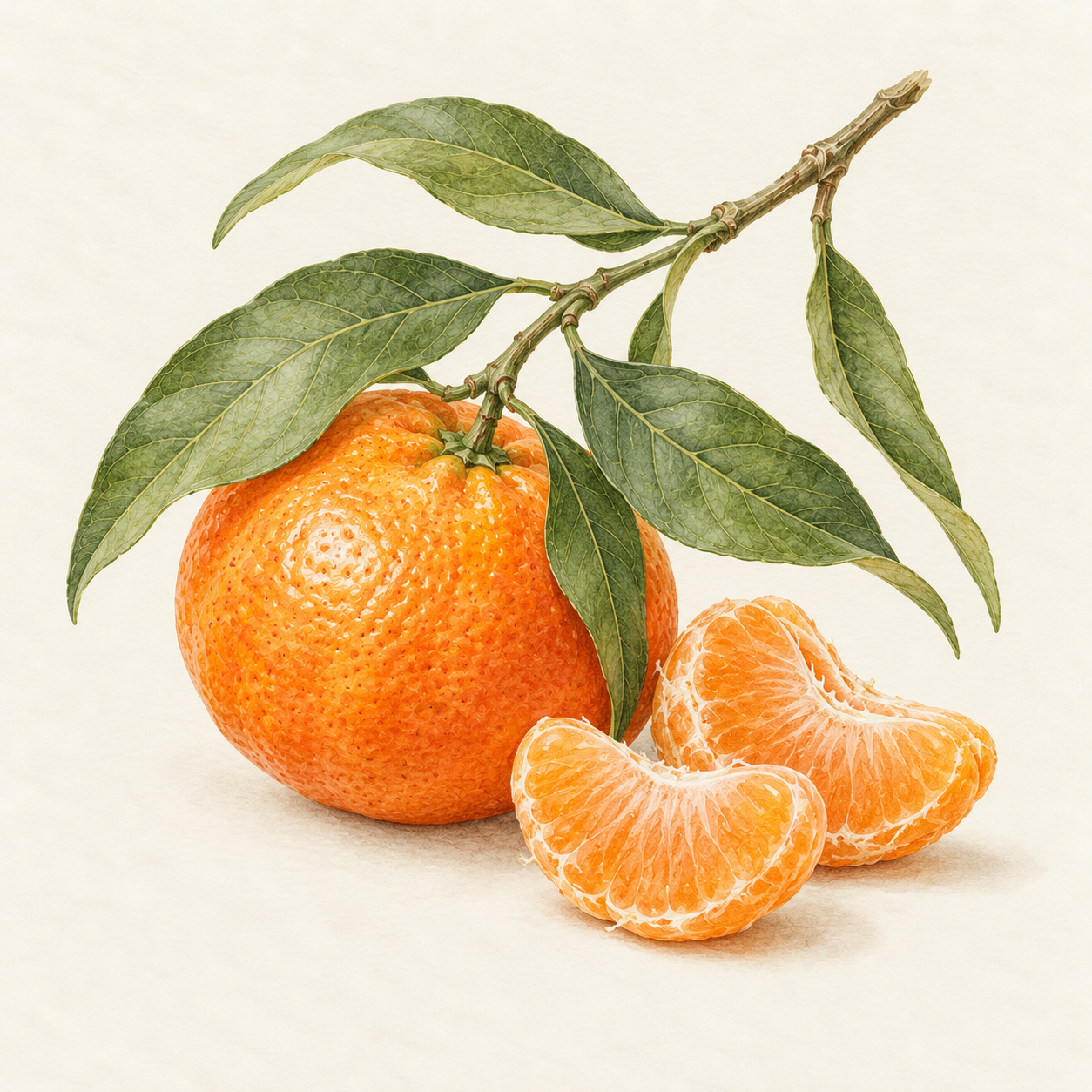
Orange Blossom
Bitter-orange flowers used in perfumery as both distilled neroli and solvent-extracted orange blossom absolute, spanning bright green citrus-floral facets through richer, sweeter and waxier floral effects.
45 referenced entries →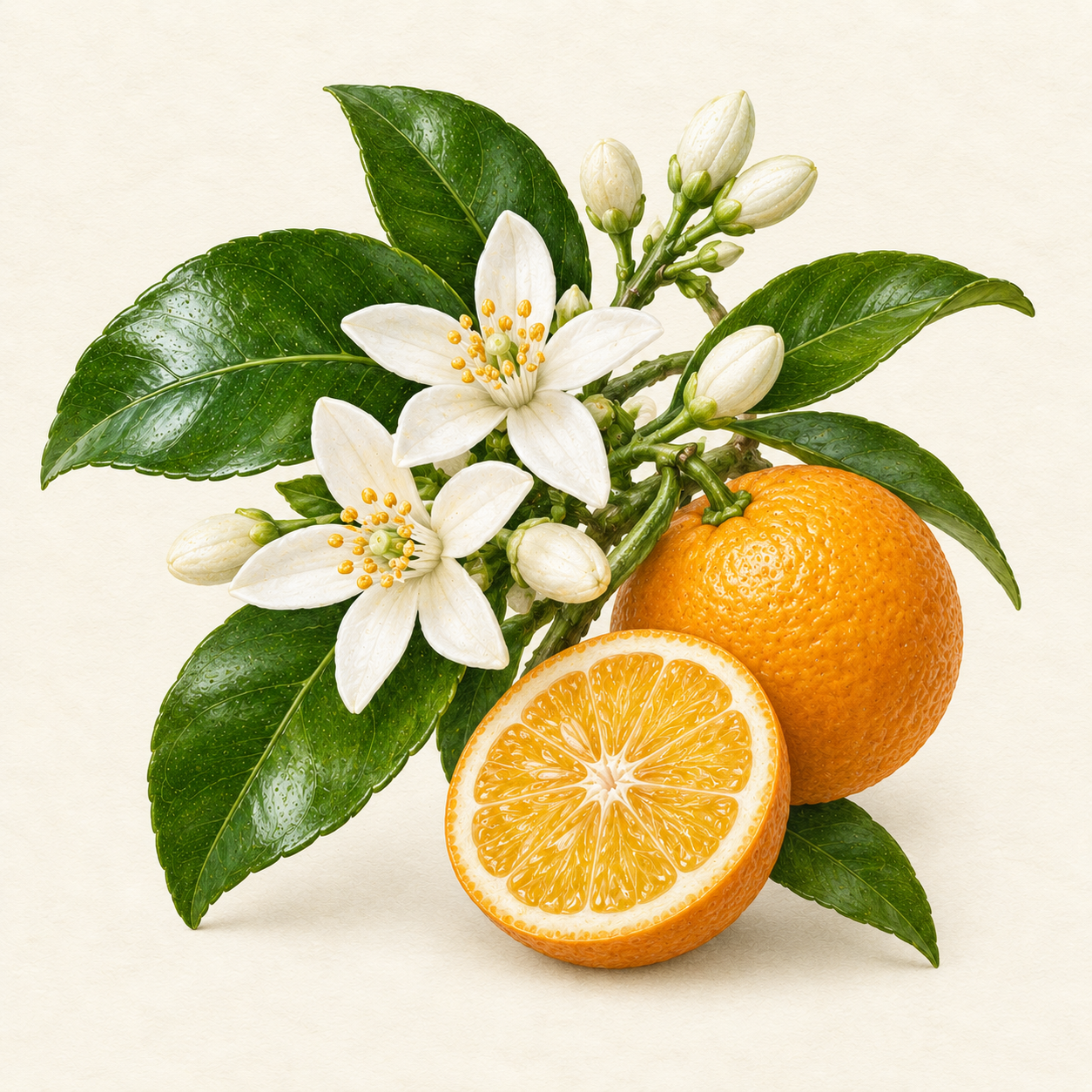
Petitgrain
A green citrus-aromatic oil from bitter-orange foliage, drier and leafier than neroli while still retaining a recognizable citrus-family brightness.
15 referenced entries →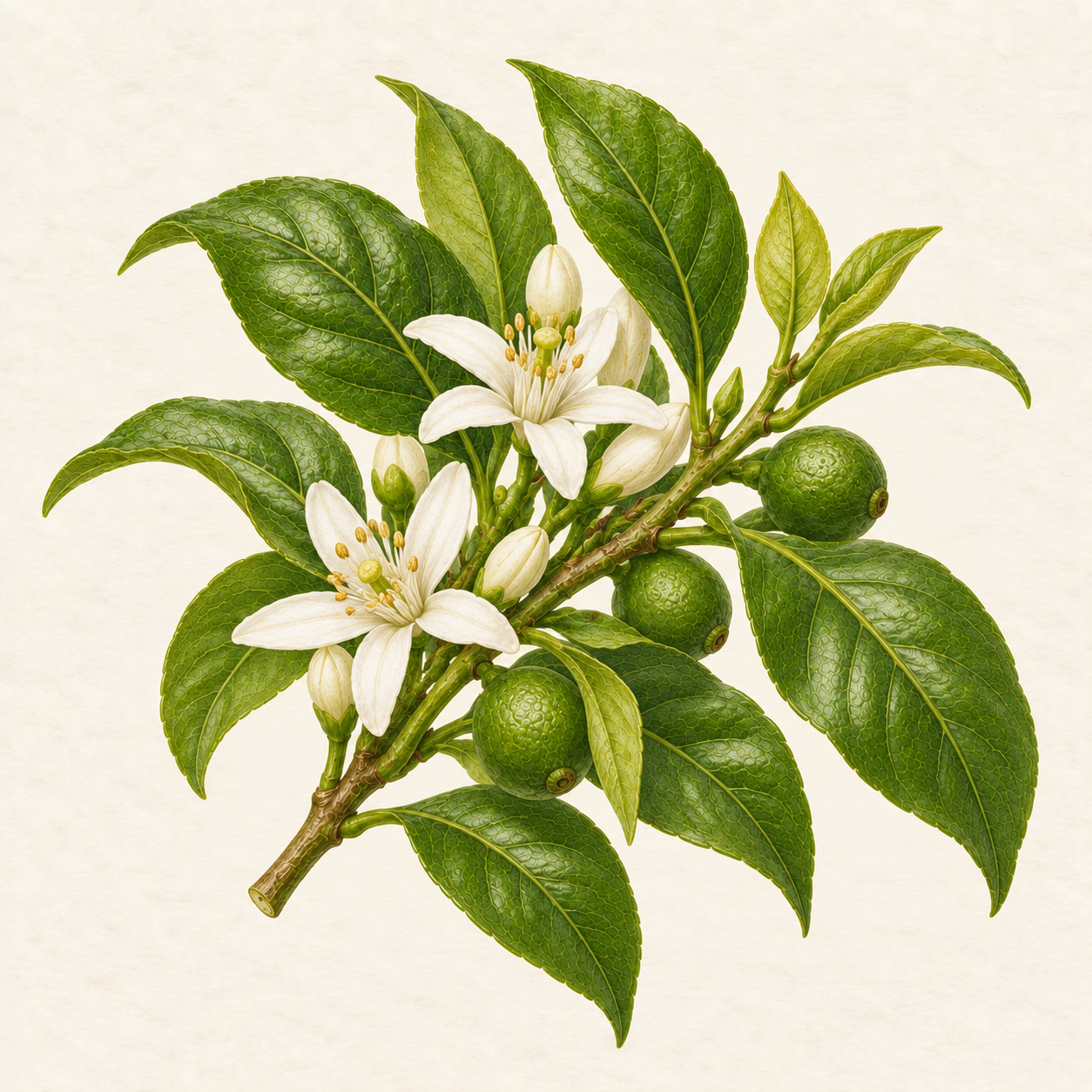
Pomelo
A large citrus-fruit note with juicy freshness, peel bitterness and a profile often sitting between grapefruit and sweeter citrus.
1 referenced entry →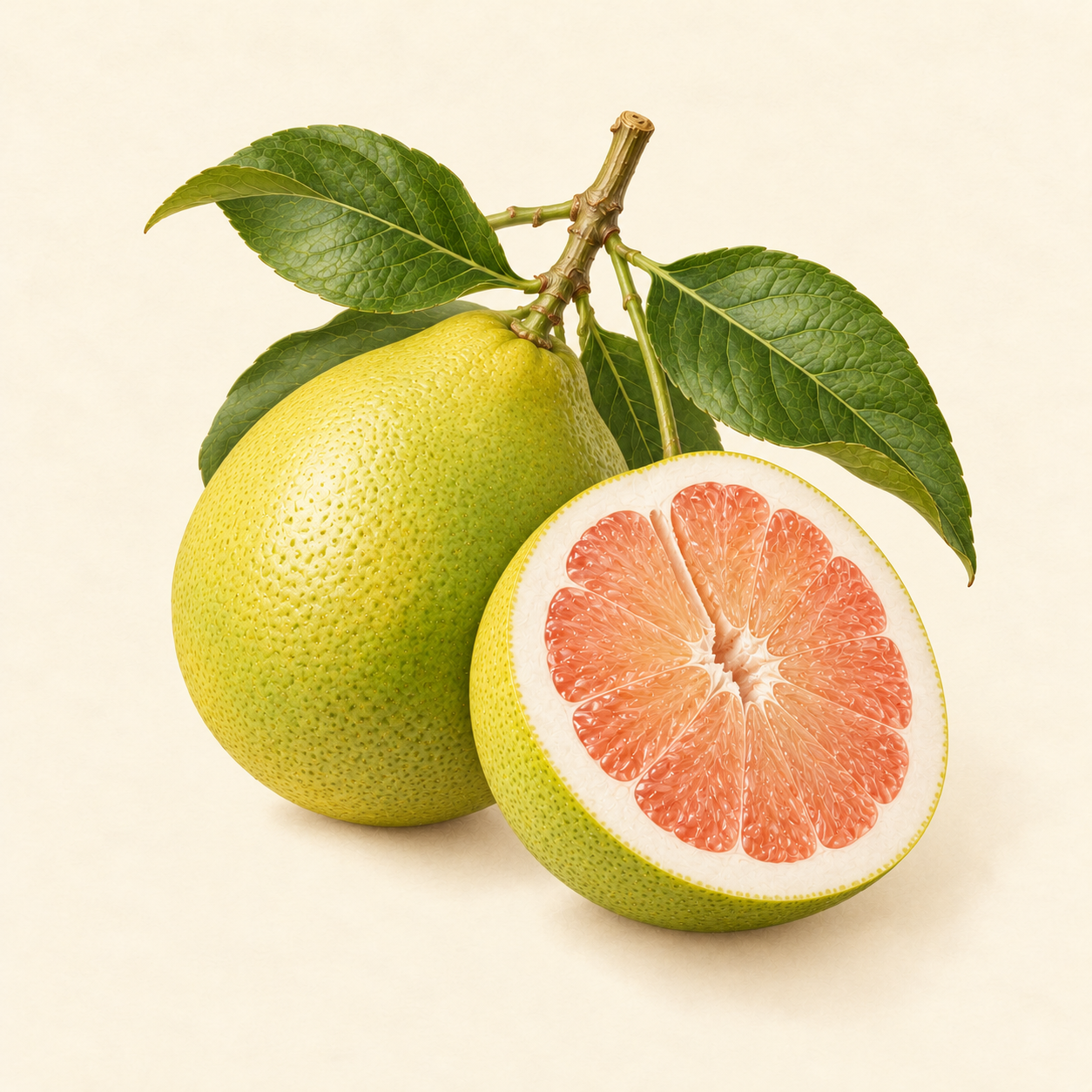
Sweet Orange
A rounded, juicy citrus peel material with sweet zest, bright freshness and soft fruitiness, generally warmer and less bitter than bergamot or grapefruit.
2 referenced entries →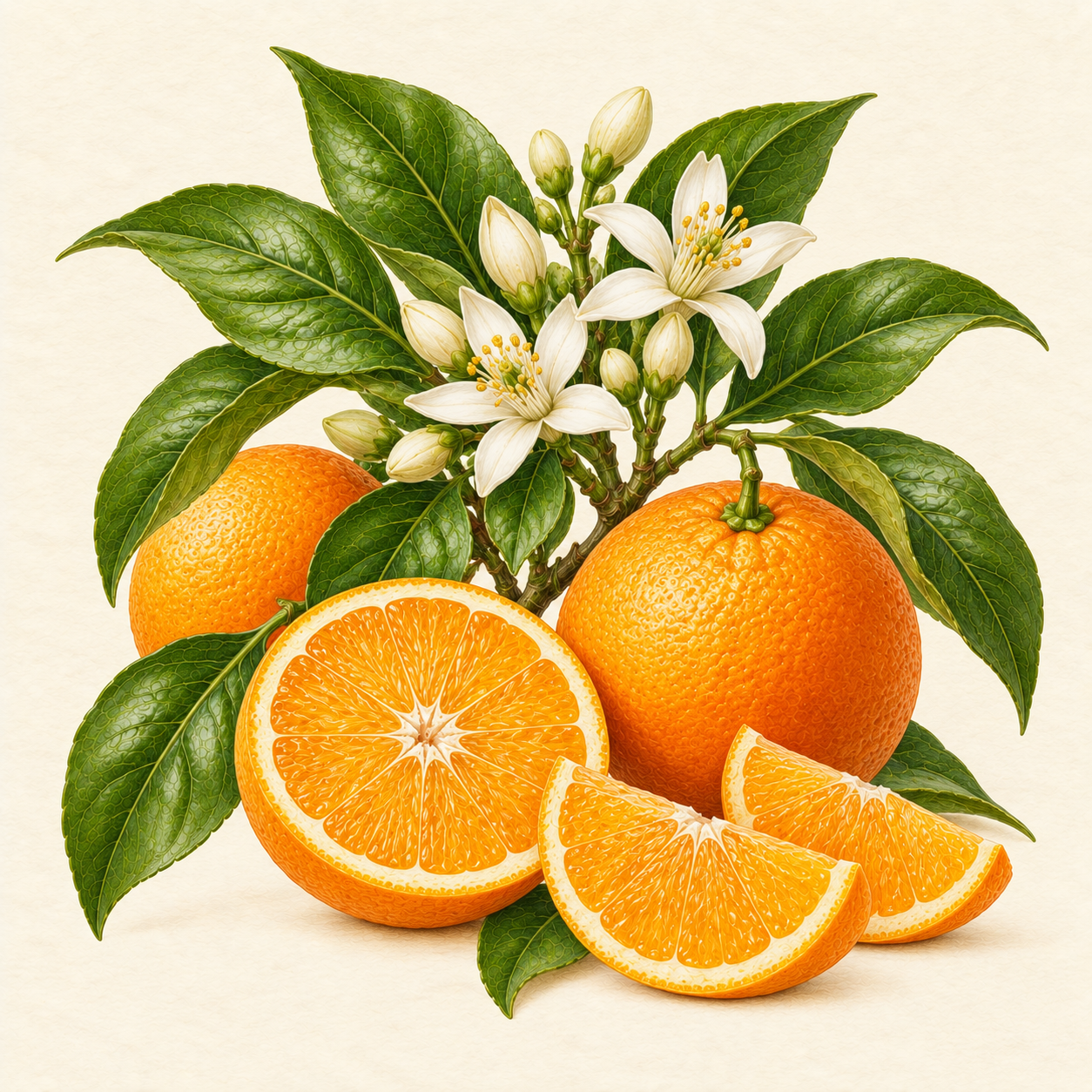
Tangerine
A soft, juicy citrus note with sweet peel and bright mandarin-like freshness, generally rounder and less bitter than many orange notes.
1 referenced entry →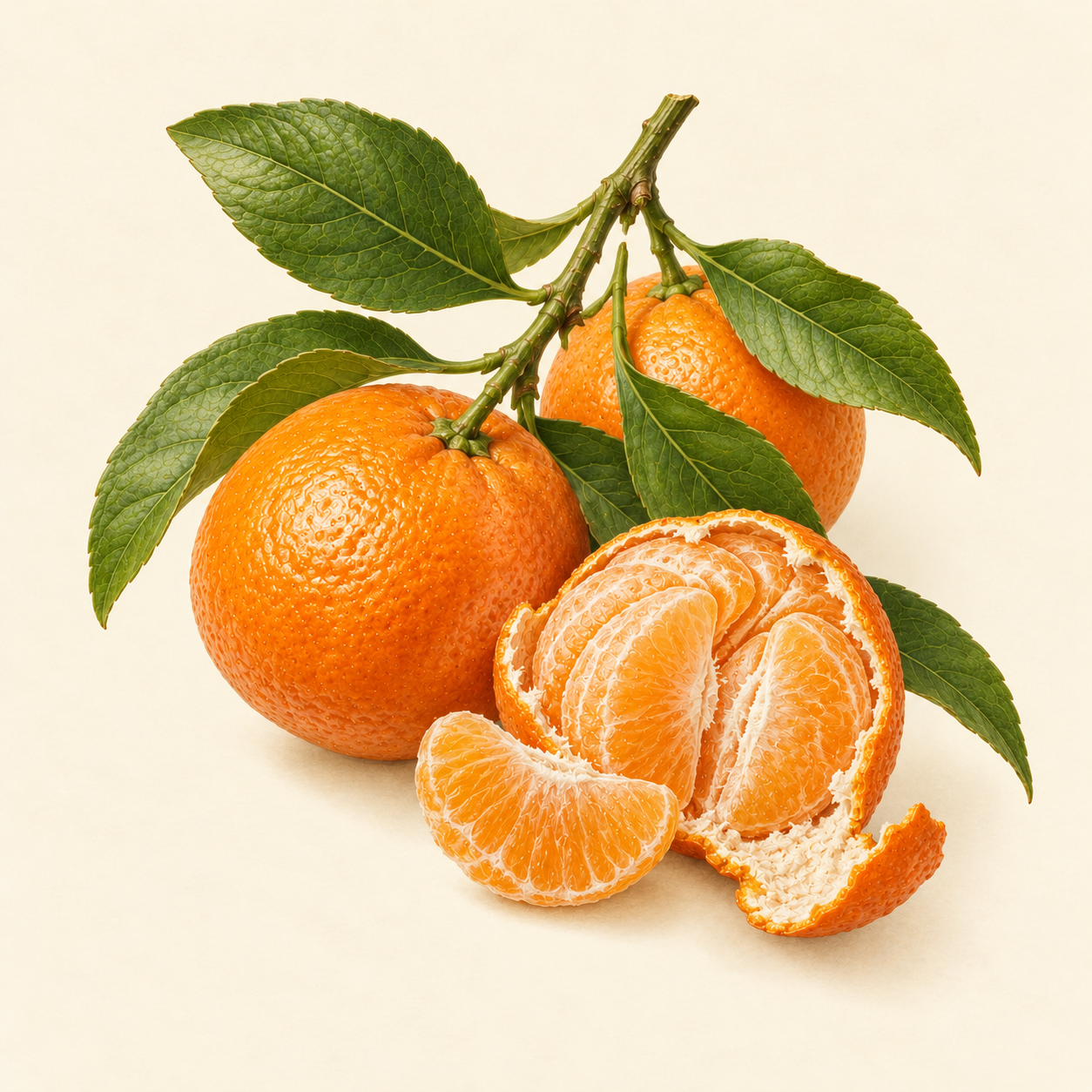
Yuzu
A distinctive tart citrus note combining lemon, mandarin and grapefruit-like facets with aromatic peel, bitterness and a slightly floral-green edge.
3 referenced entries →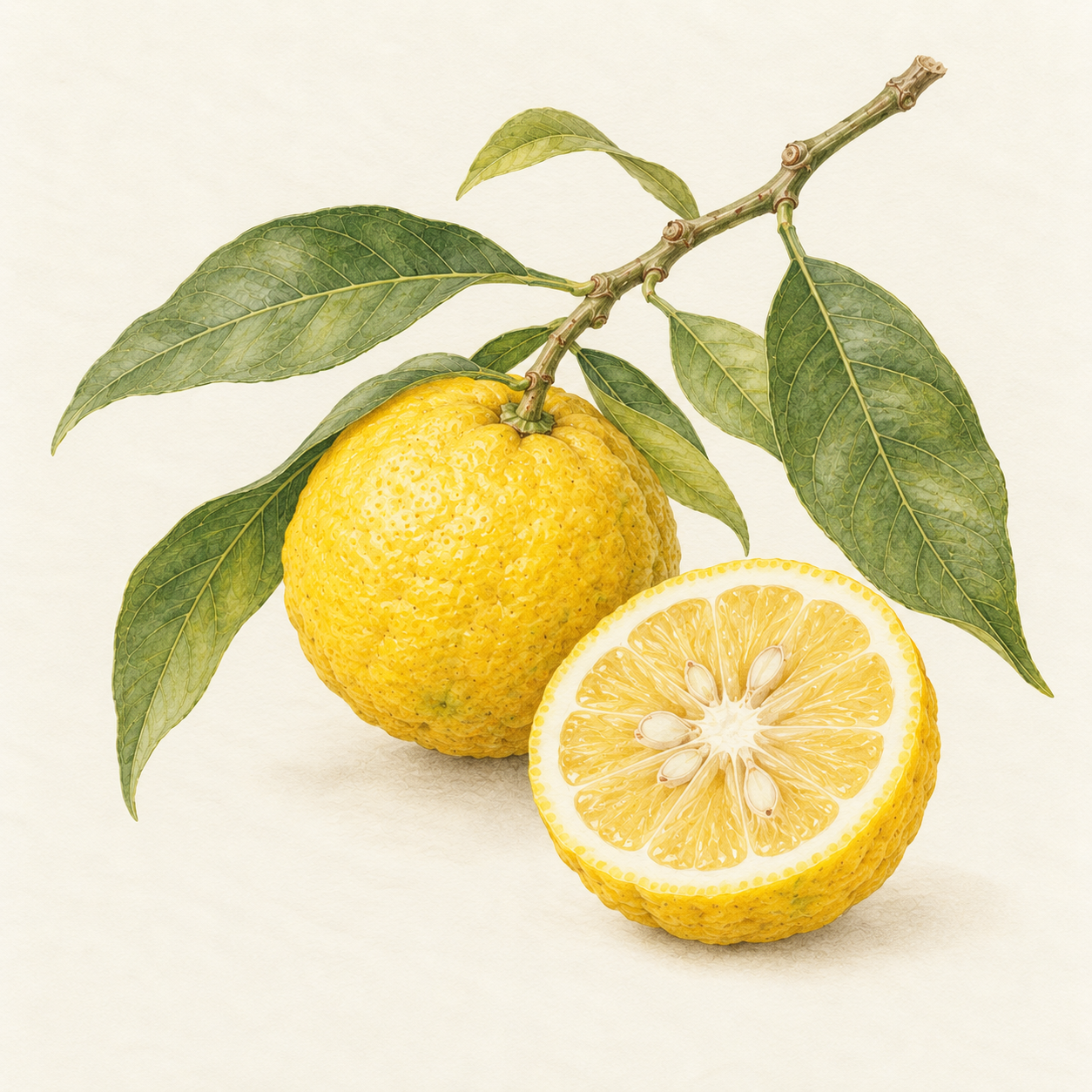
BROWSE FAMILY
Herbs, leaves & grasses
Absinthe
A bitter green aromatic note associated with wormwood, often suggesting herbal, anise-like and medicinal freshness in fragrance compositions.
3 referenced entries →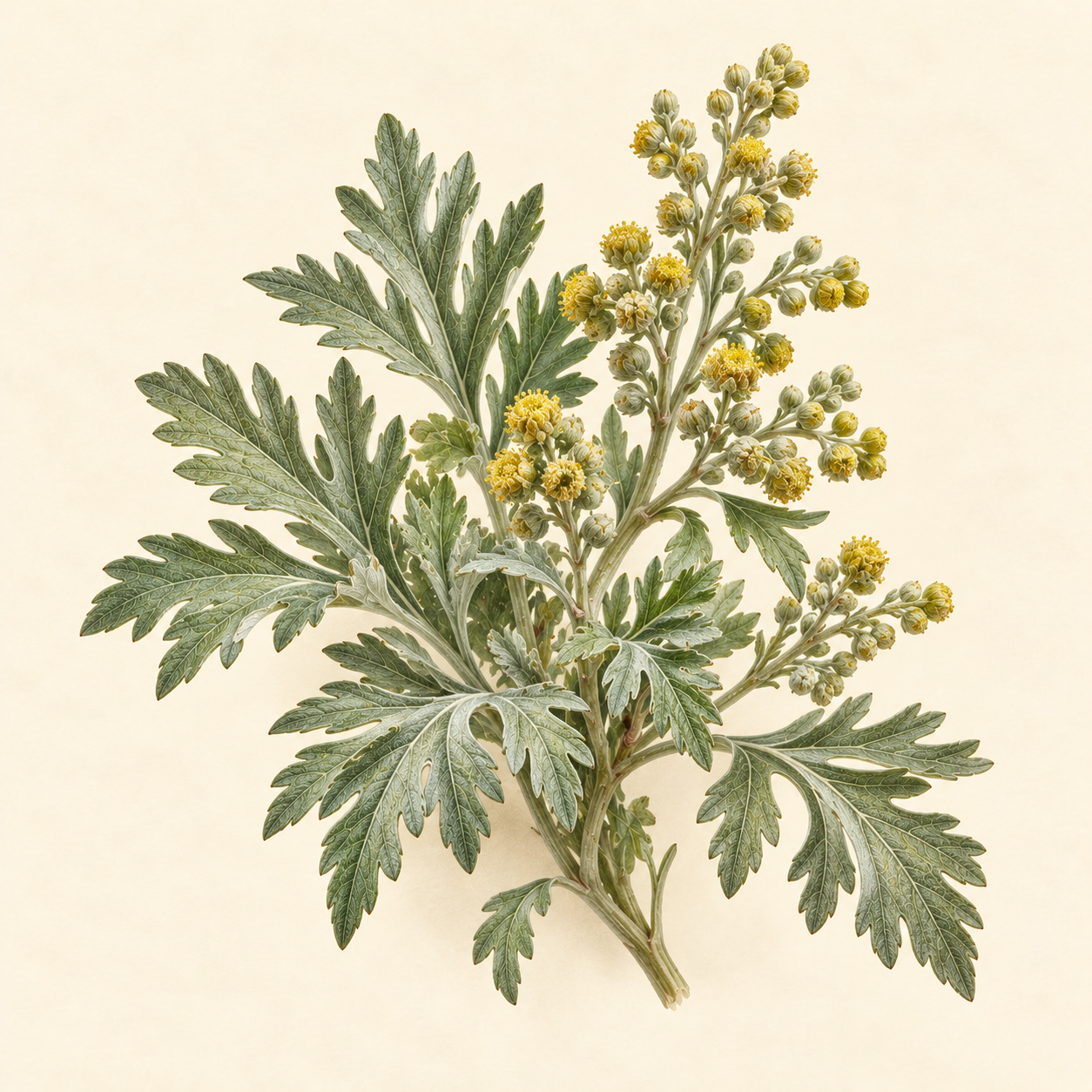
Artemisia
A dry, bitter-green aromatic material with herbal, camphoraceous and slightly woody facets.
4 referenced entries →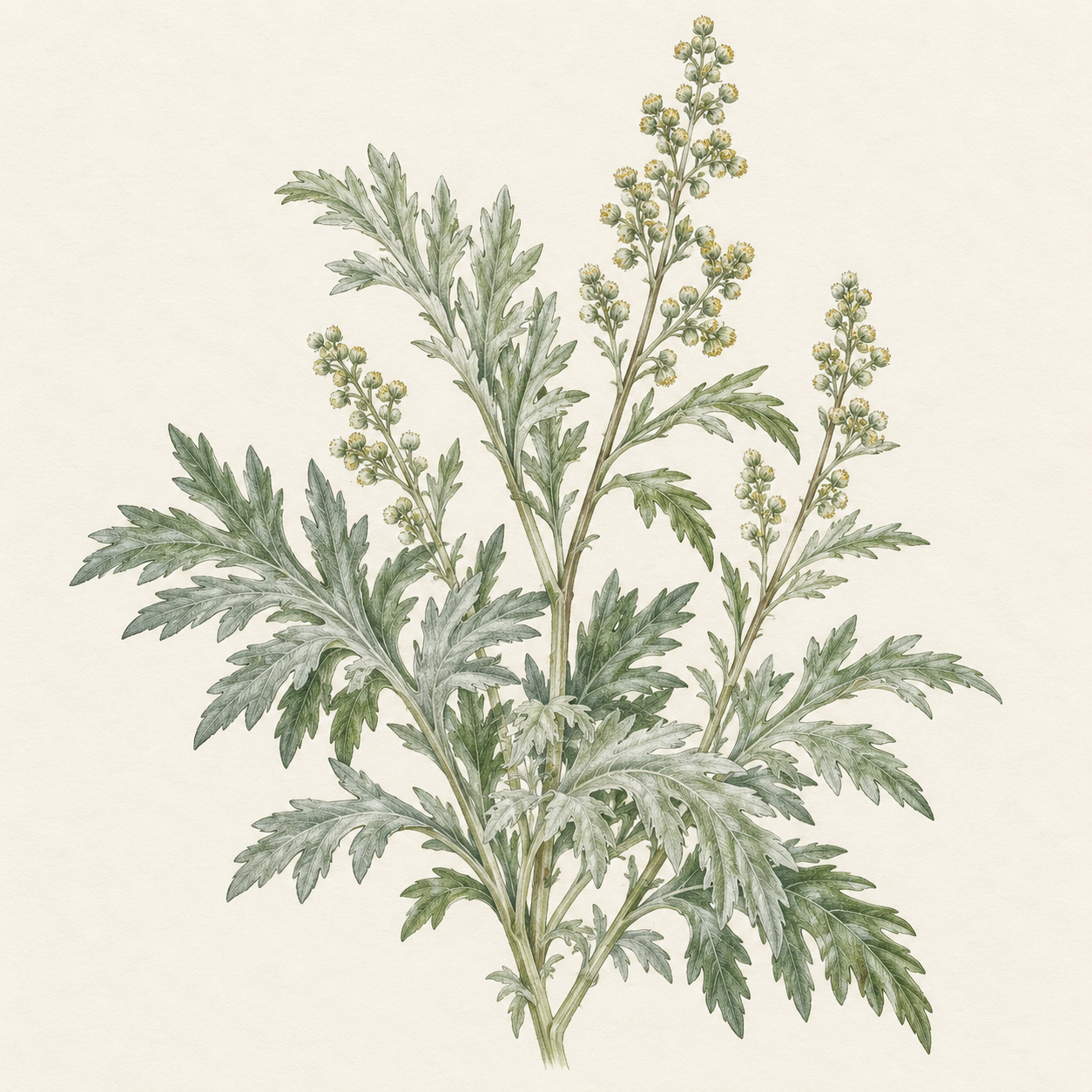
Basil
A vivid green aromatic material that can range from sweet, anise-like and floral to peppery, herbal and slightly medicinal depending on cultivar and chemotype.
11 referenced entries →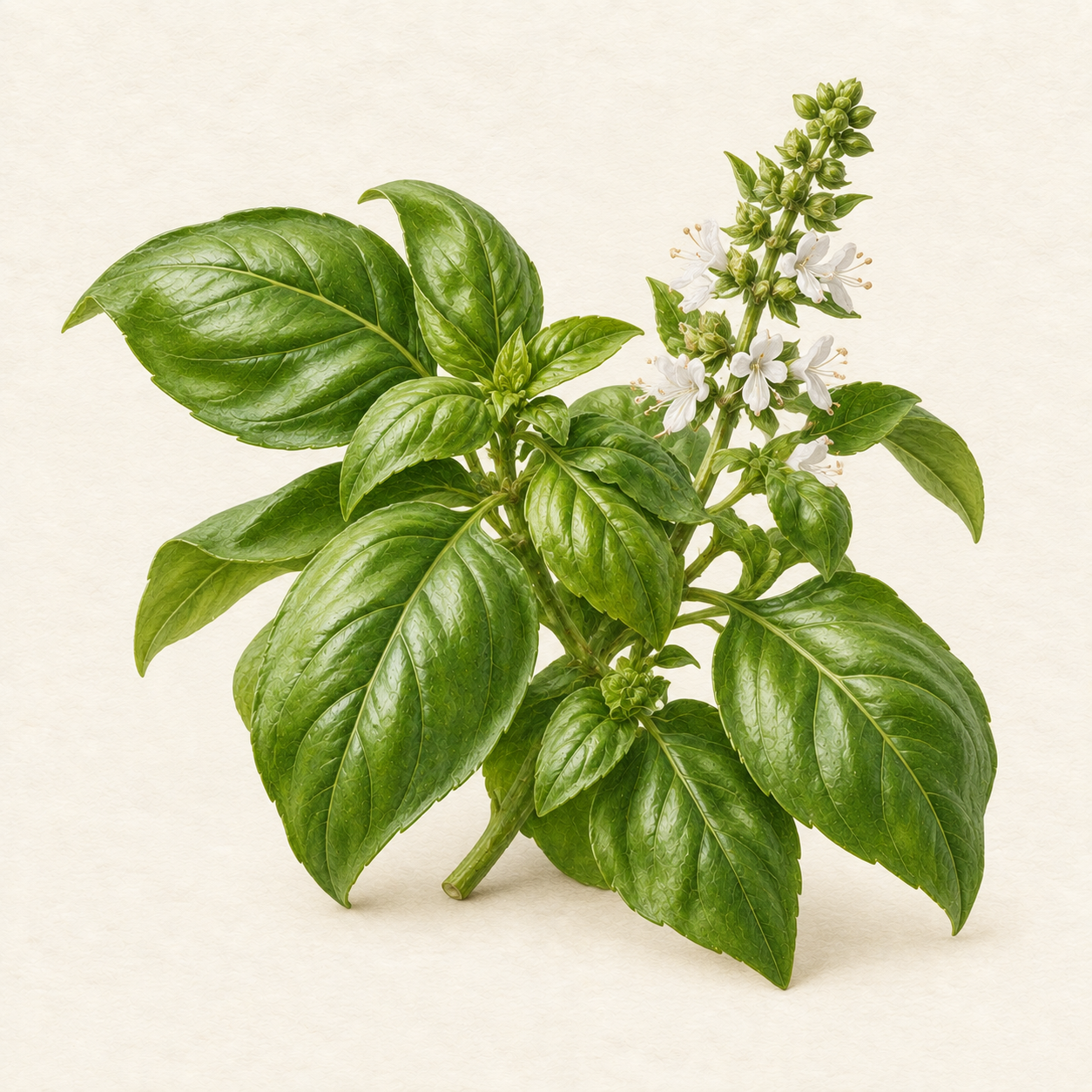
Chamomile
A gentle aromatic herb-and-flower note associated with apple-like, hay-like, softly sweet and dry green facets; some perfumes specifically name blue camomile.
1 referenced entry →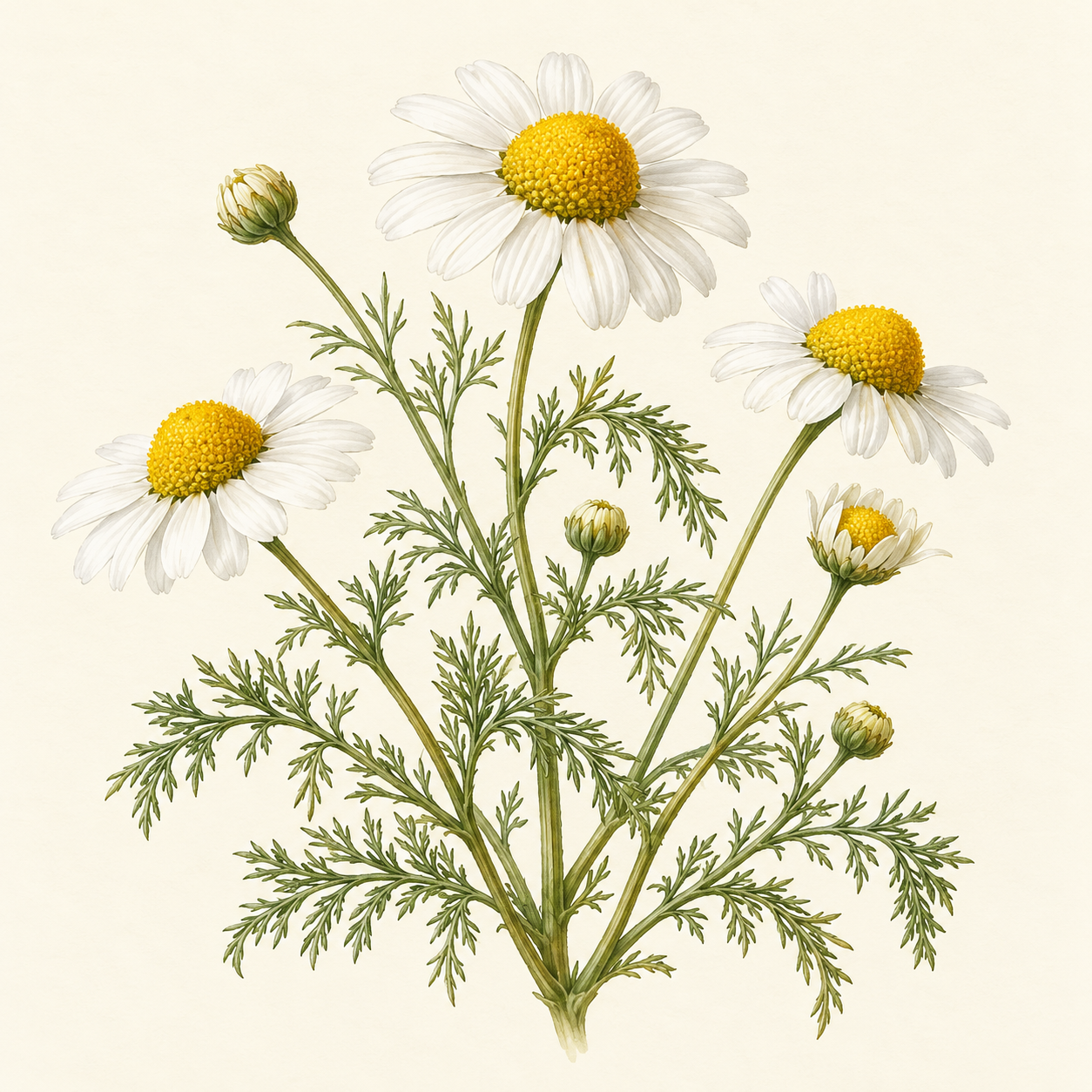
Clary Sage
A soft herbal-floral sage material with tea, hay, ambered and slightly tobacco-like facets, generally rounder and less sharply medicinal than common sage.
6 referenced entries →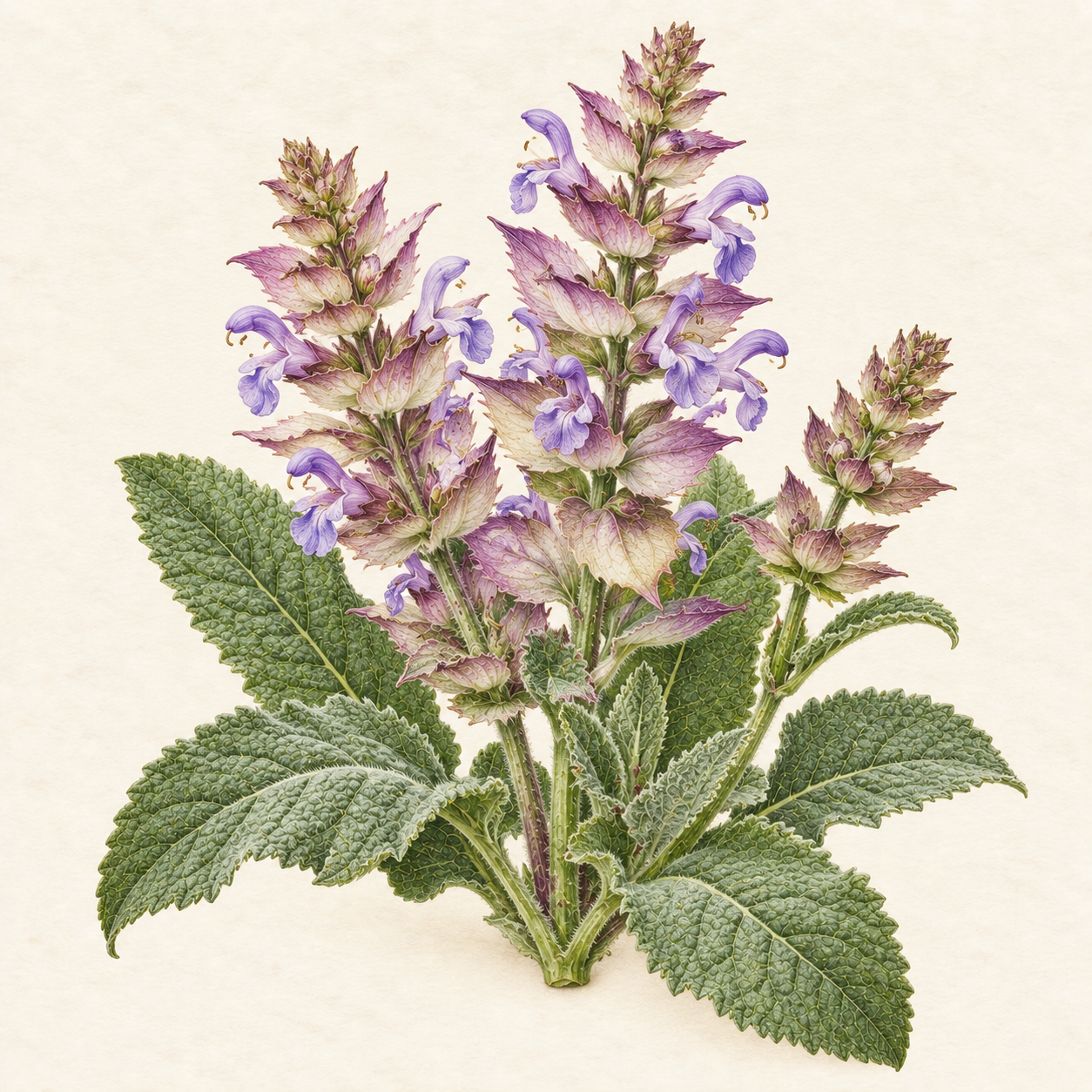
Davana
A distinctive aromatic material with fruity, herbaceous, sweet and wine-like facets, often combining ripe-fruit richness with green and slightly medicinal nuances.
4 referenced entries →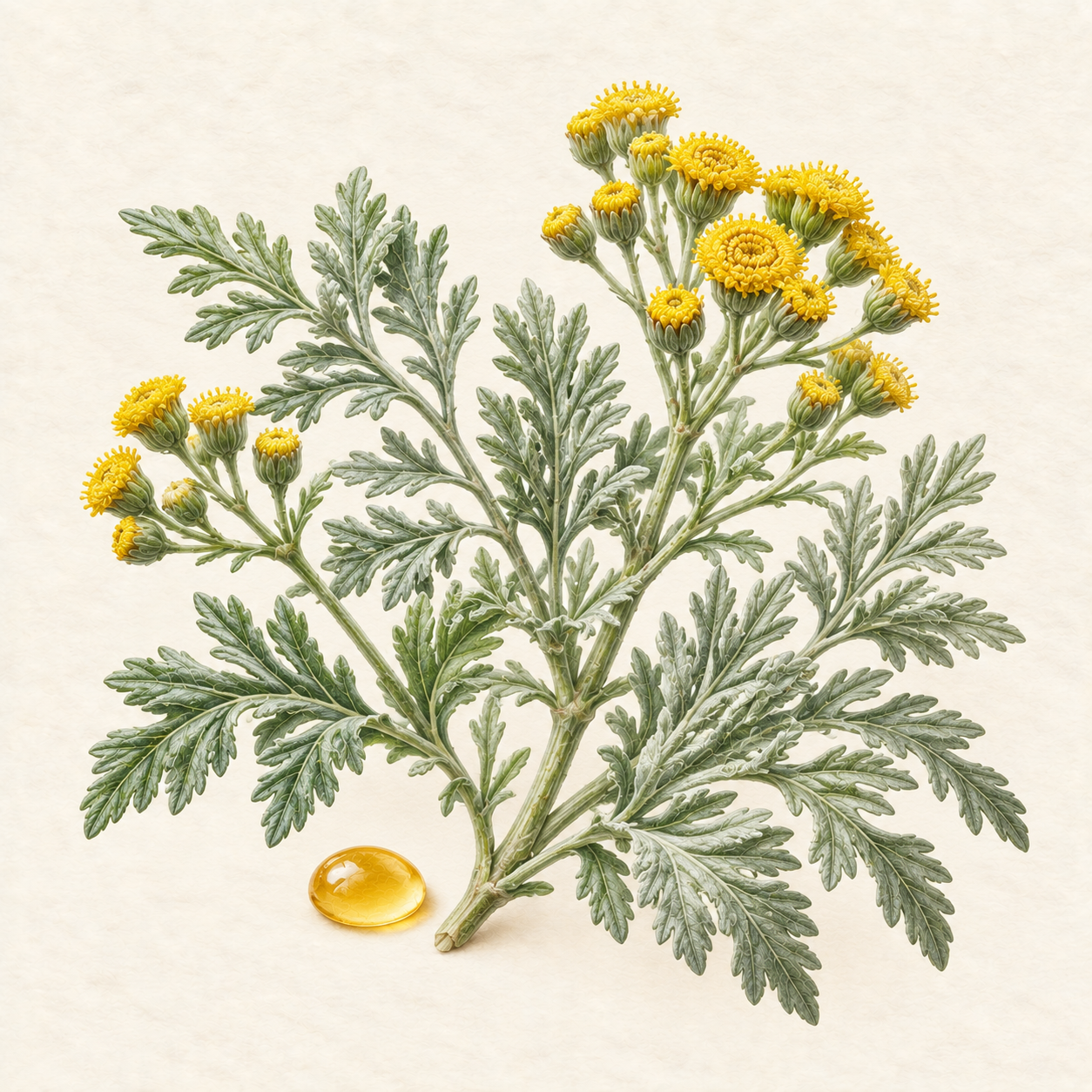
Eucalyptus
A cool, penetrating aromatic leaf material associated with fresh, camphoraceous and green effects in perfumery.
3 referenced entries →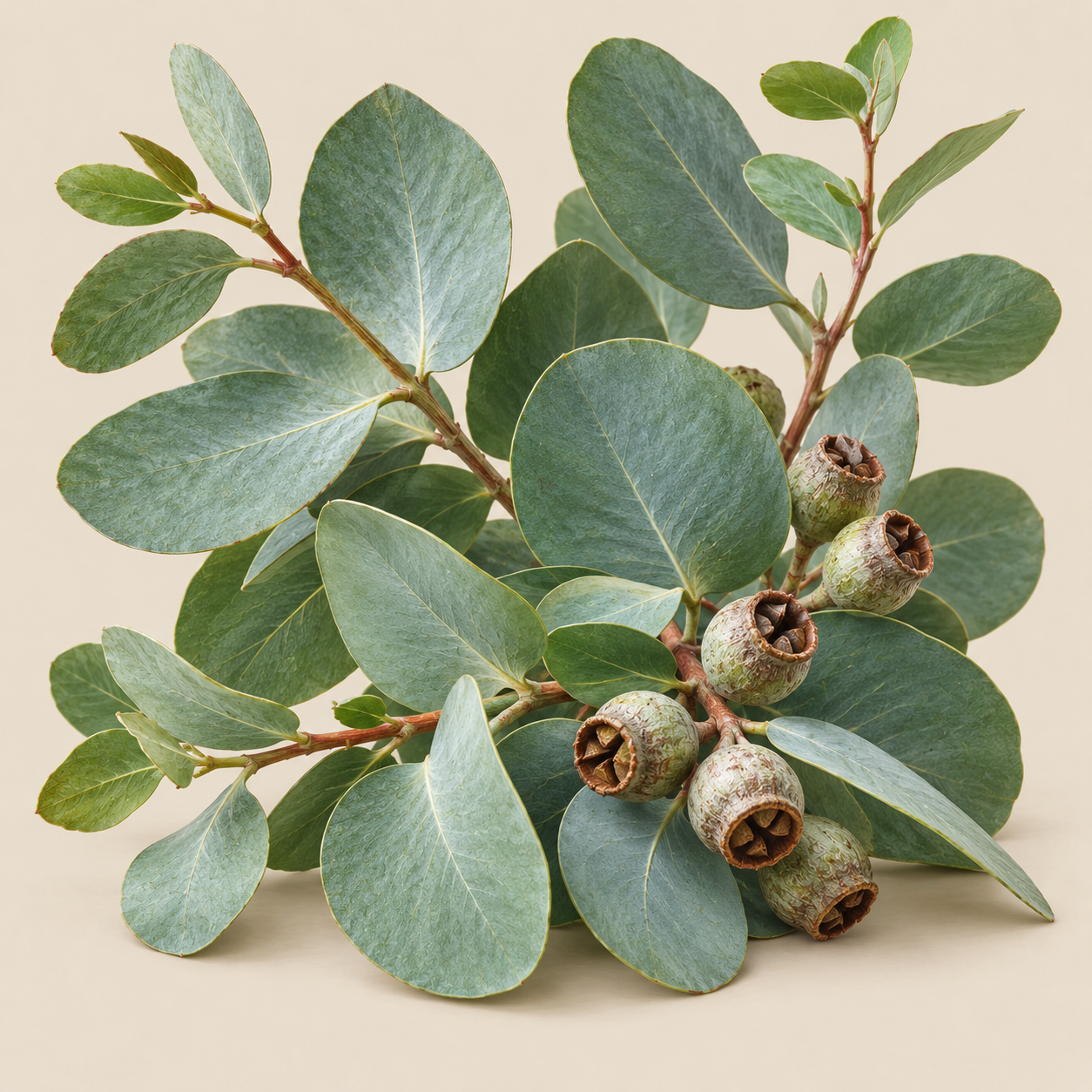
Geranium
A rose-scented leafy aromatic material combining floral, green, minty and citrus facets, widely used to bridge rose effects with herbs, citrus and woods.
23 referenced entries →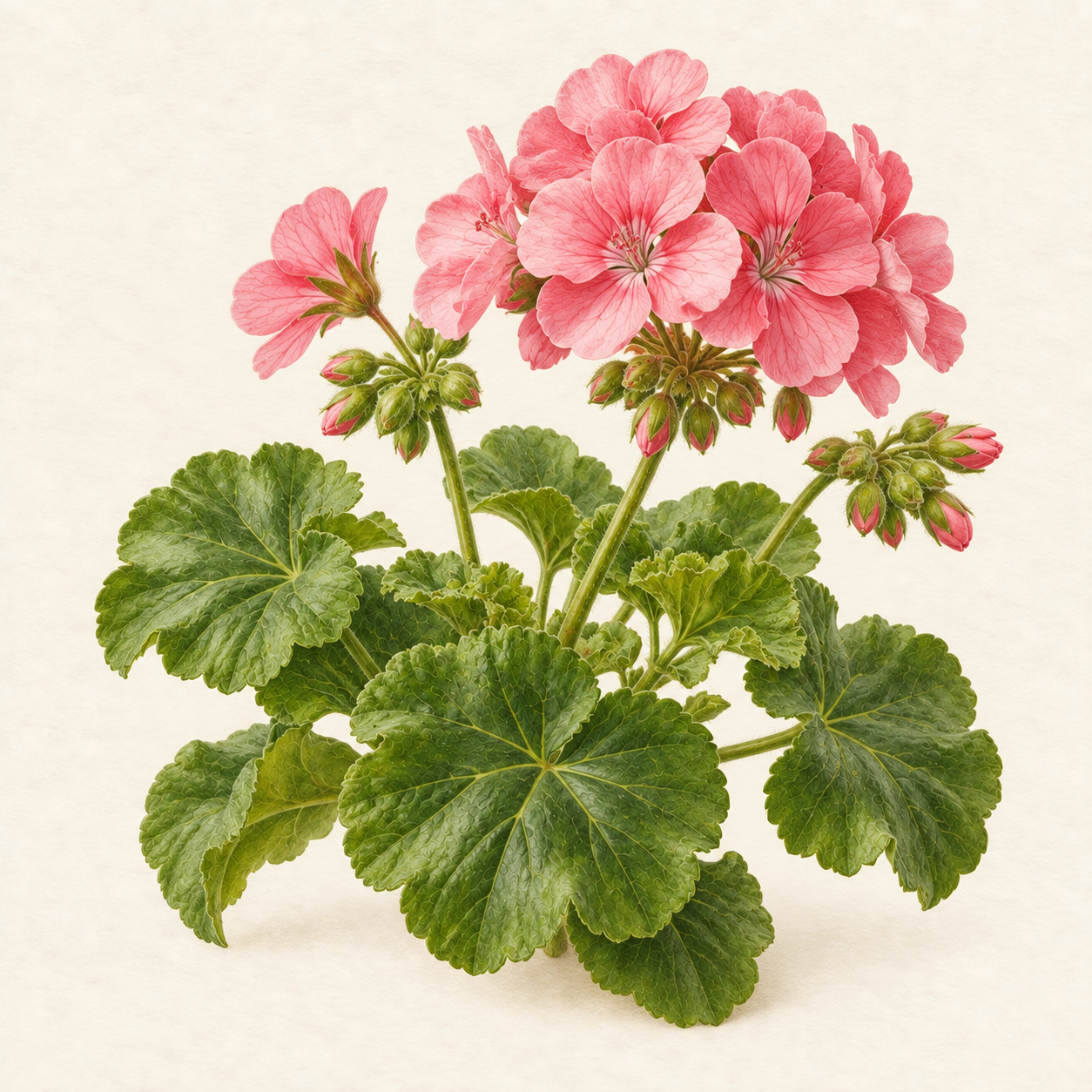
Hay
A sun-dried grassy material defined by sweet coumarinic warmth, dry herbs and pastoral tobacco-tonka facets that develop as grasses cure.
2 referenced entries →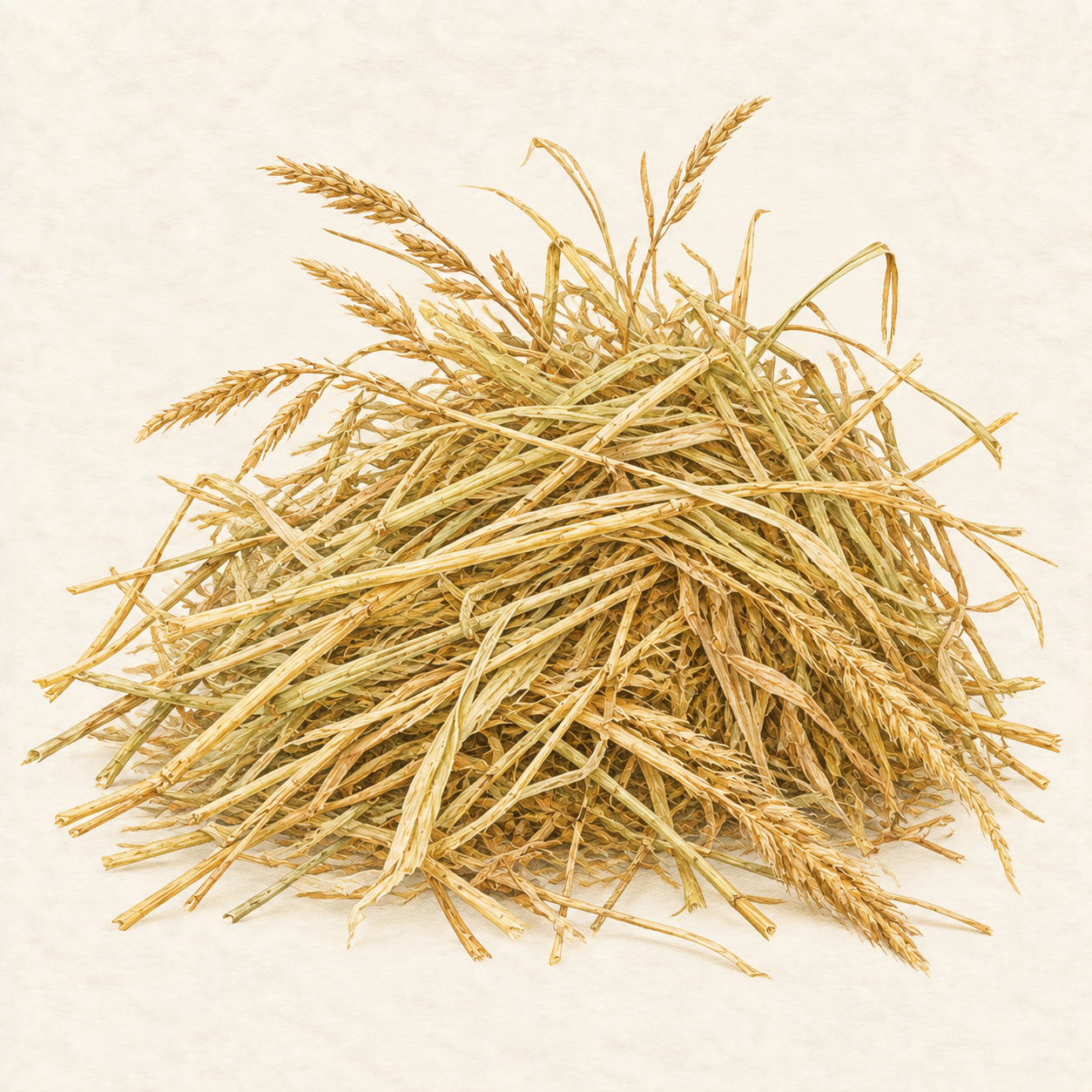
Henna
A dry green-earthy herbal note associated with henna leaf and paste, with tea-like, hay-like and gently spicy facets.
1 referenced entry →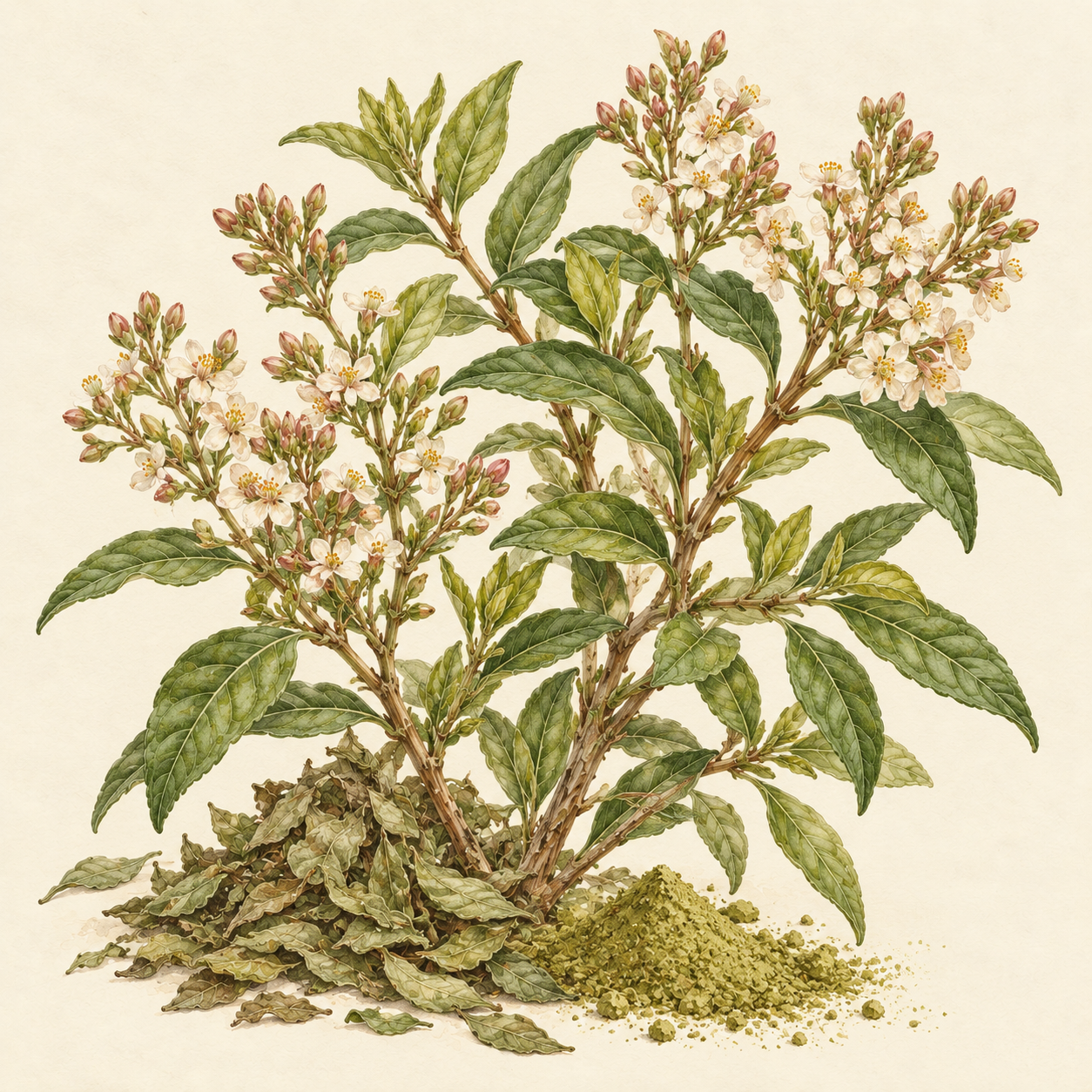
Immortelle
A striking Mediterranean aromatic with maple, hay, curry, tobacco and honeyed facets, capable of reading both herbal and gourmand.
6 referenced entries →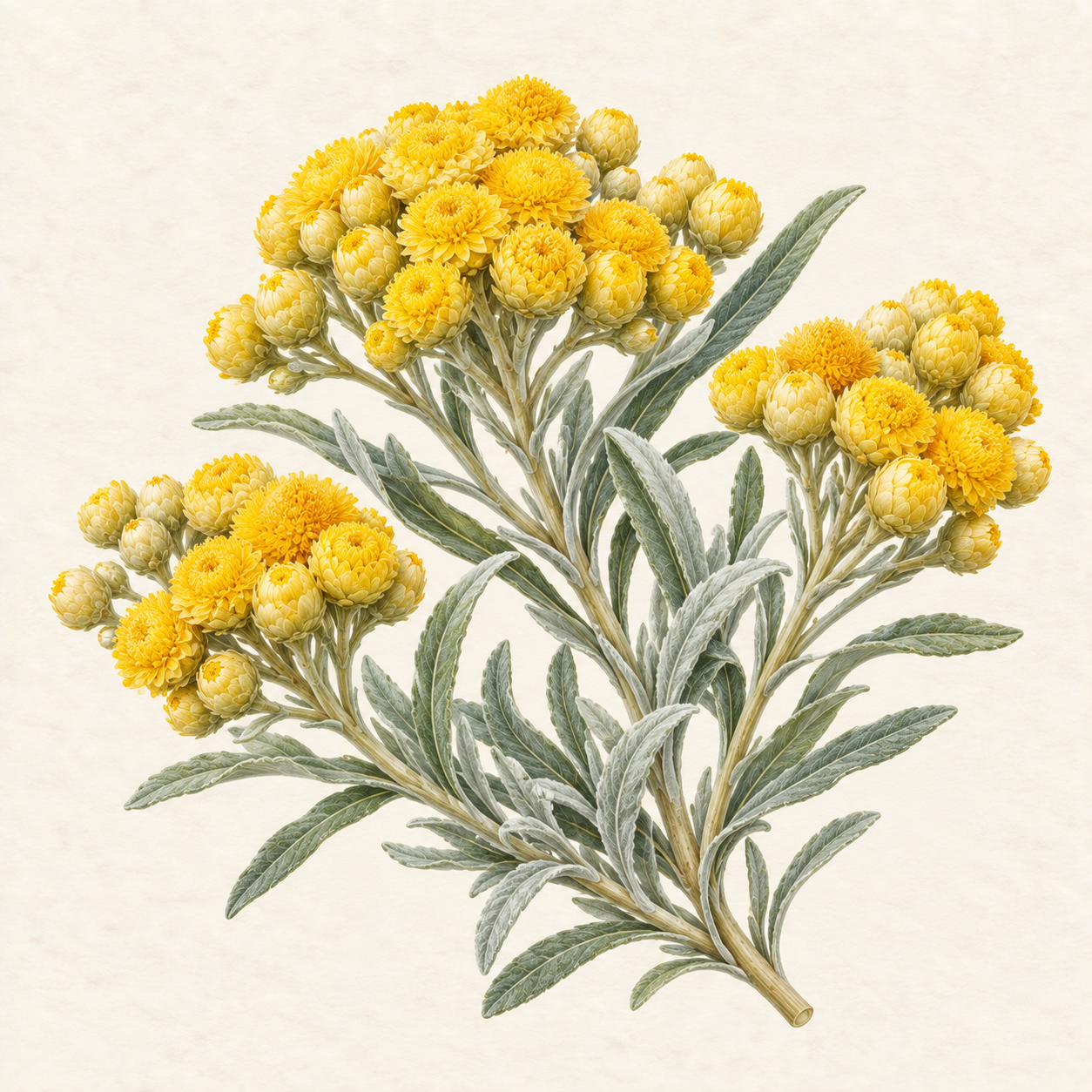
Lavandin
A robust lavender-family material with floral-aromatic freshness, camphoraceous lift, dry herbs and a more forceful profile than fine lavender.
1 referenced entry →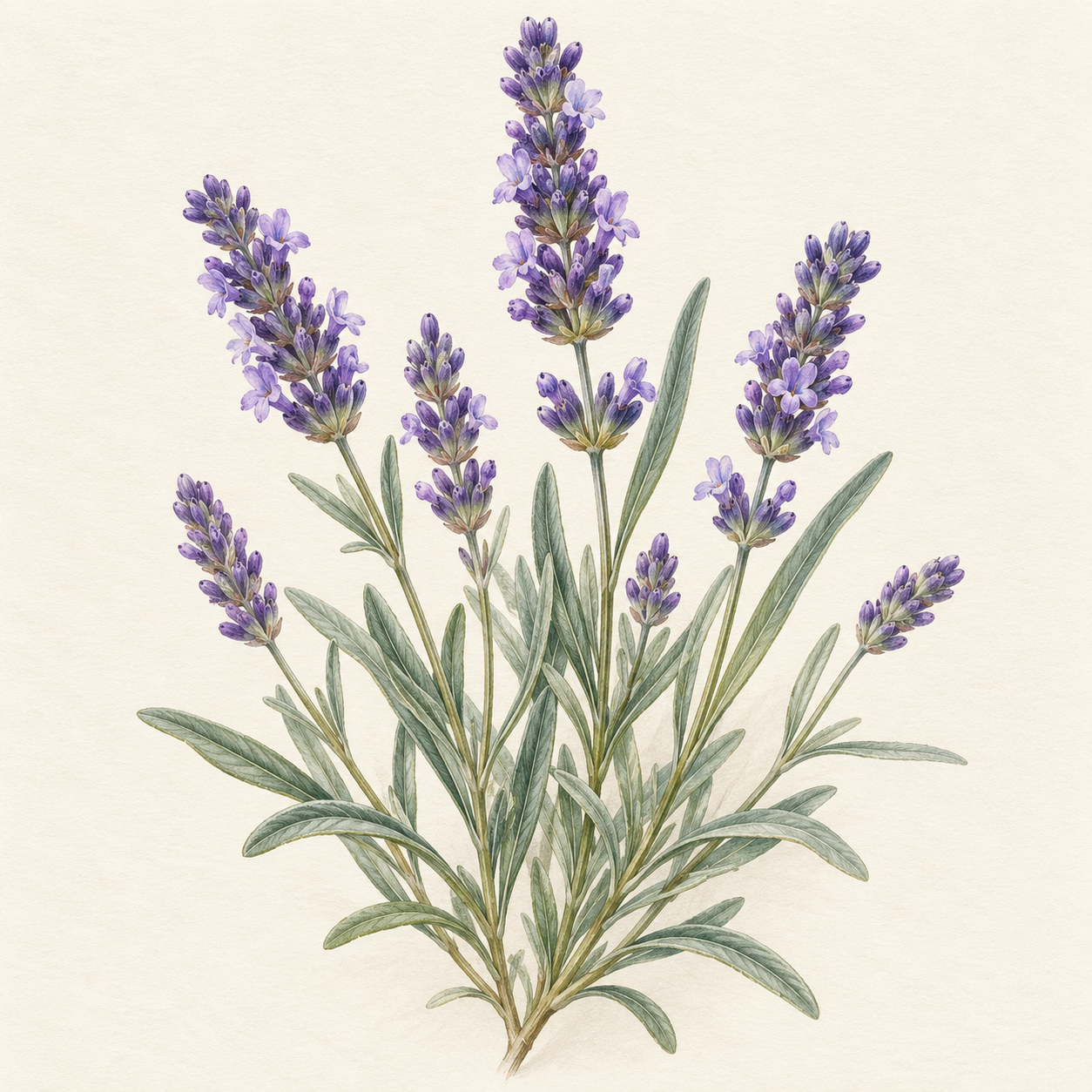
Lavender
A classic aromatic herb material balancing floral softness with herbal, fresh and lightly camphoraceous facets; foundational to cologne and fougère structures.
32 referenced entries →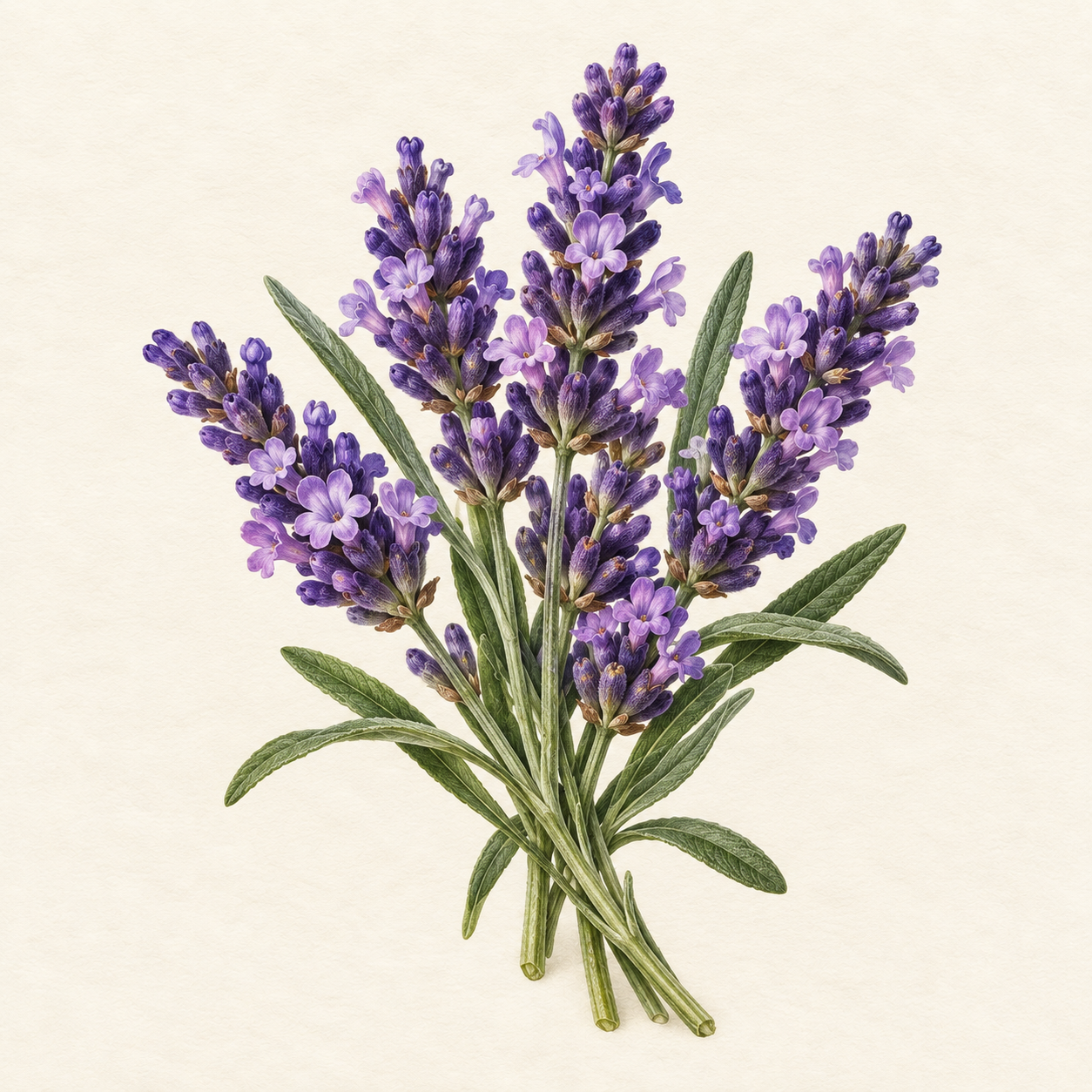
Lemon Verbena
A bright lemony-green aromatic note associated with Aloysia citrodora. Keep it distinct from generic verbena unless the source specifically says lemon verbena.
1 referenced entry →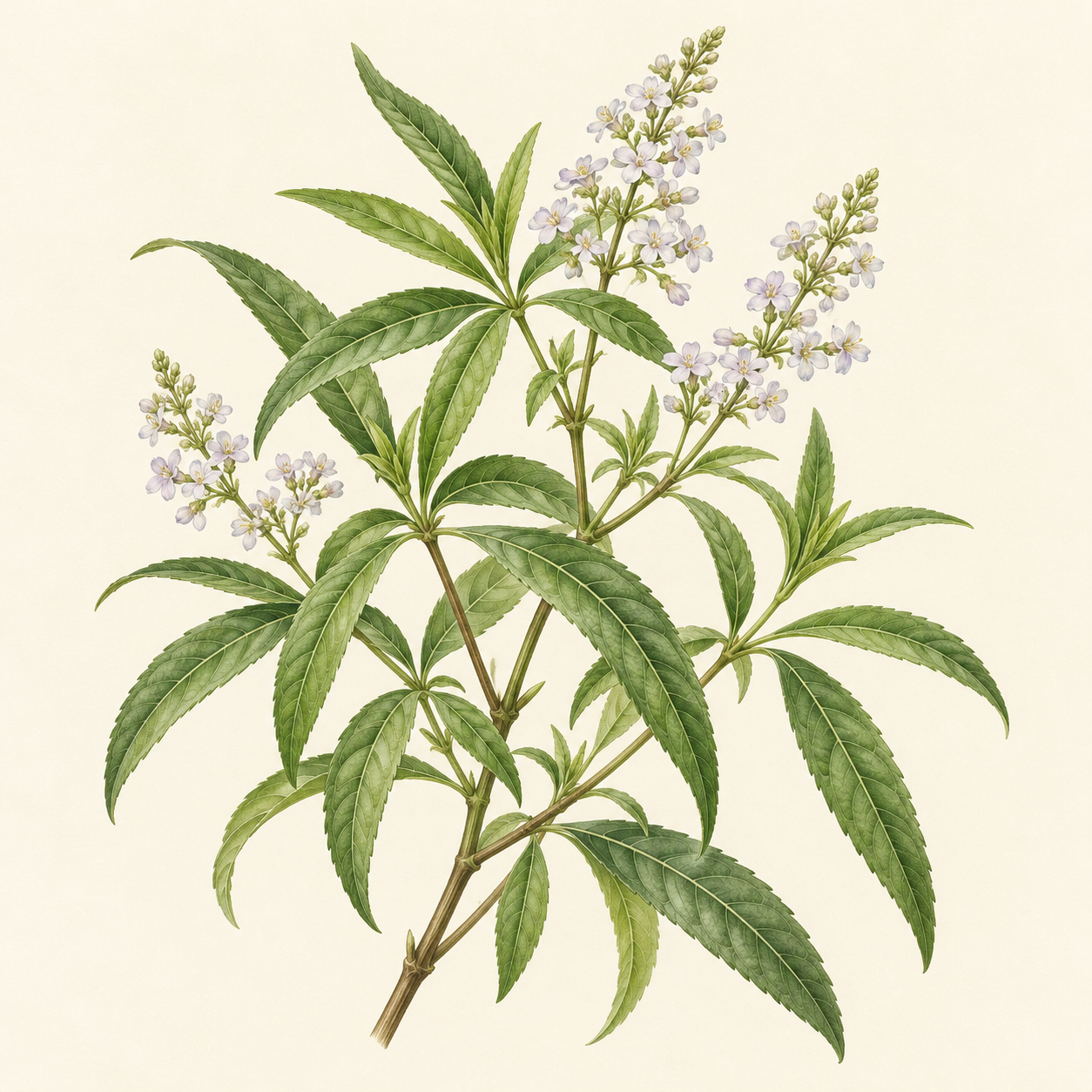
Lemongrass
A bright lemony-green grass note with citrus sharpness, fresh herbal character and a dry grassy edge.
1 referenced entry →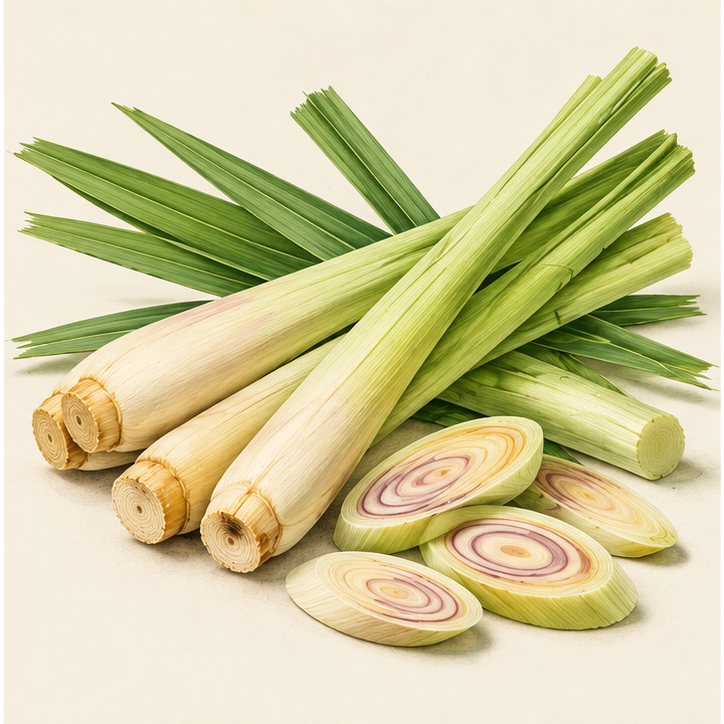
Mint
A broad aromatic family defined by fresh herbal lift and cooling effects, with peppermint providing the classic menthol-rich reference and other mints showing distinct profiles.
17 referenced entries →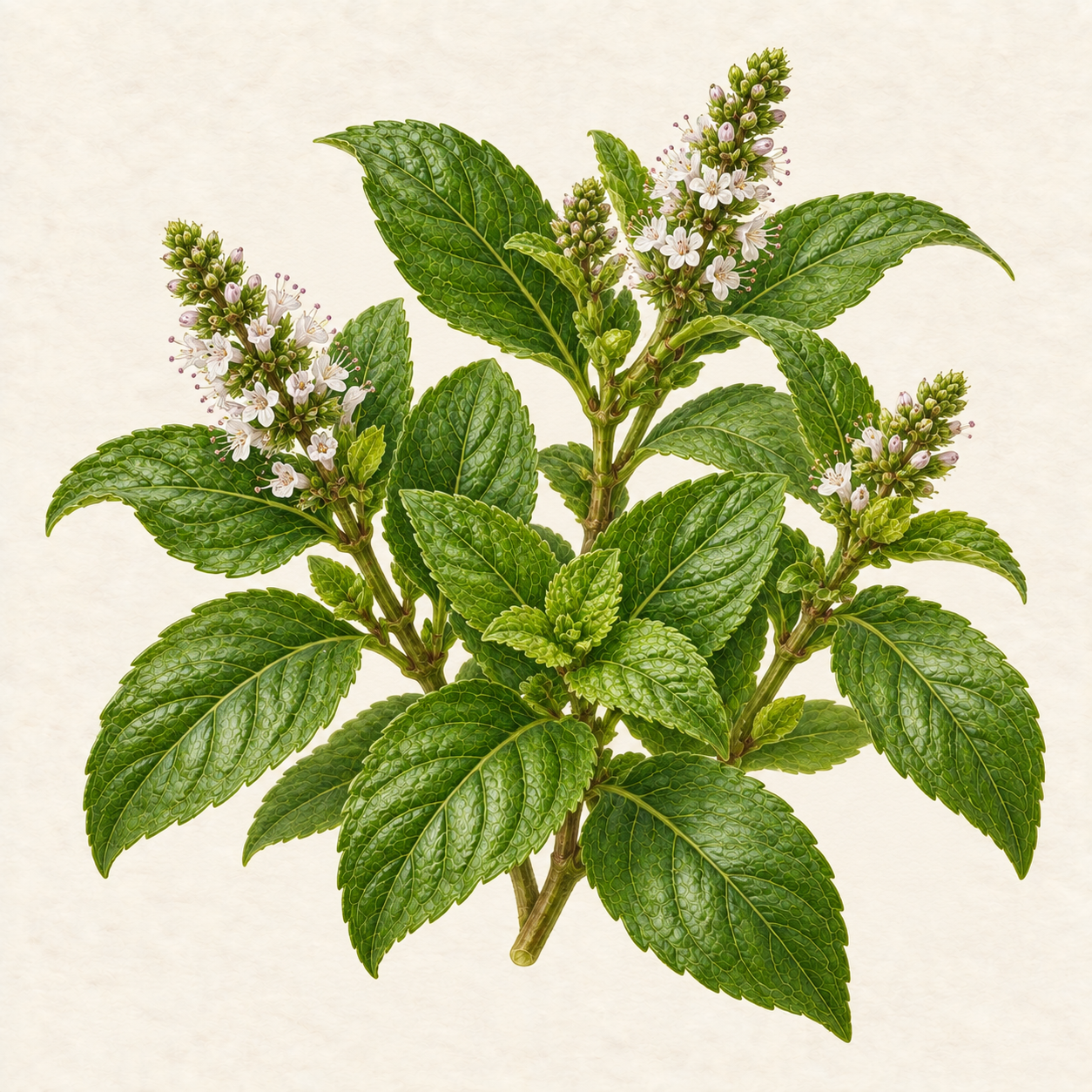
Papyrus
A dry green-woody material concept with papery, grassy, earthy and faintly smoky facets.
5 referenced entries →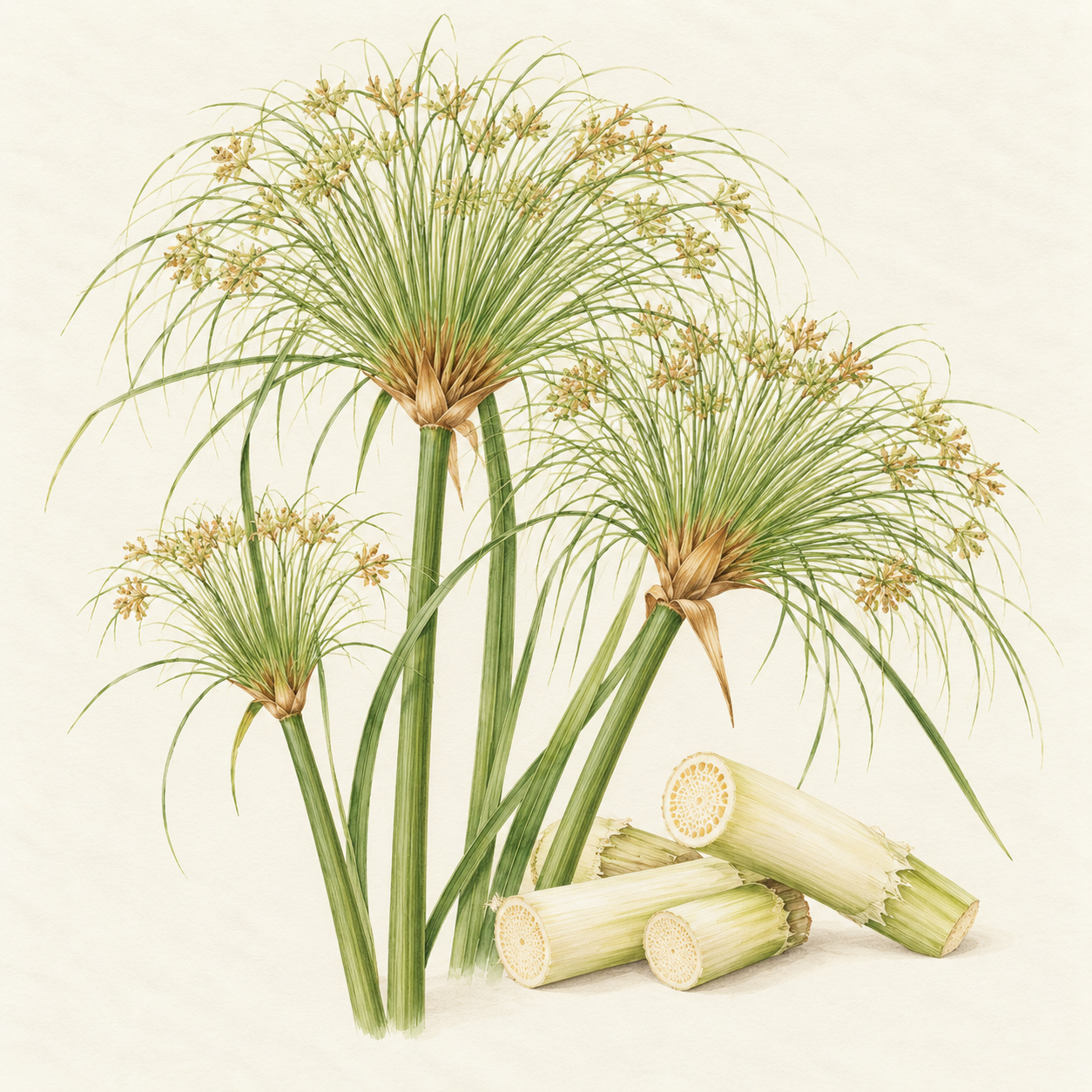
Patchouli
A powerful leaf-derived material spanning earthy, woody, camphoraceous, sweet and chocolate-like facets, with ageing and processing strongly affecting its profile.
84 referenced entries →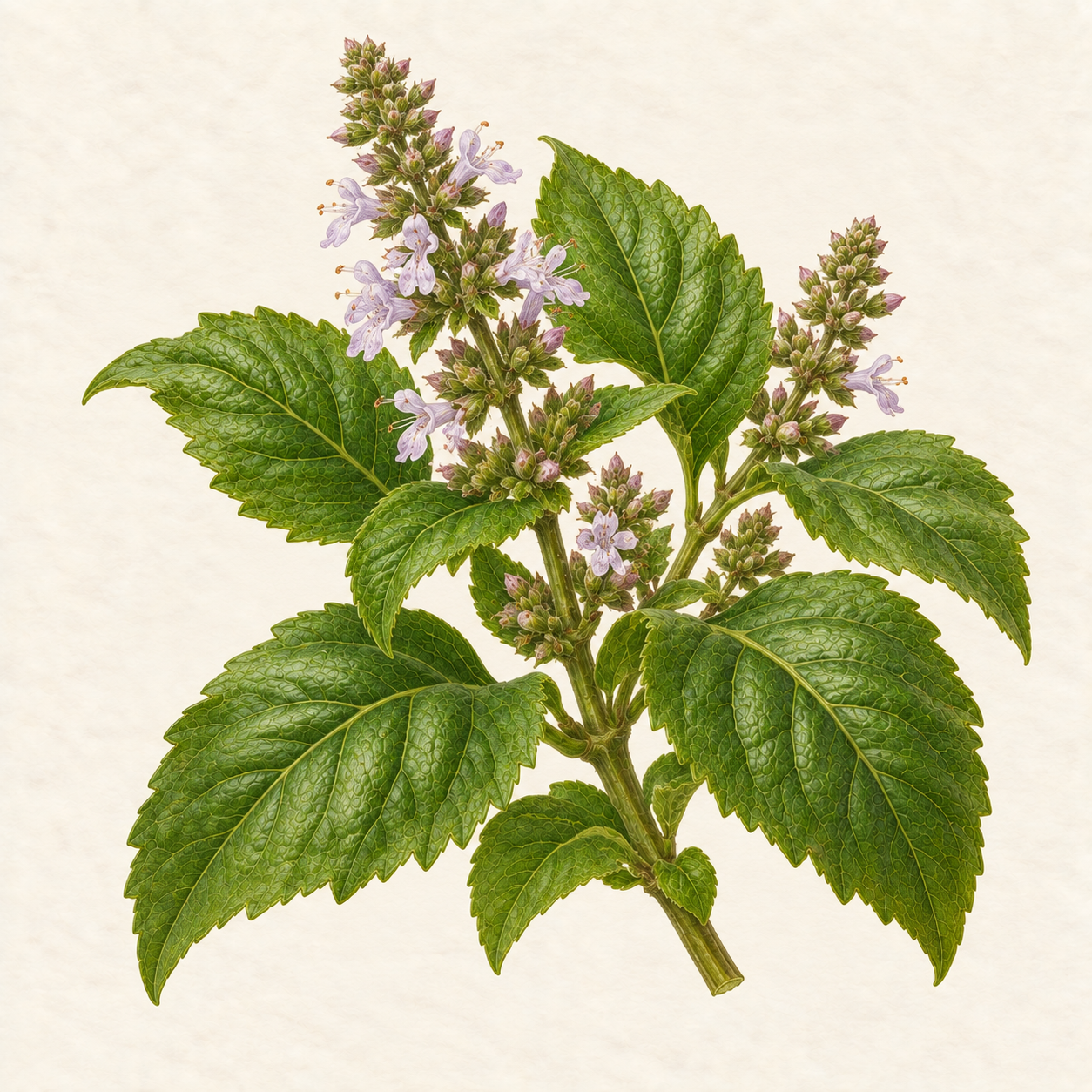
Rhubarb
A crisp, tart, green-fruity note with a distinctly vegetal freshness, often used to bring acidity, brightness and a mouthwatering edge to fragrance compositions.
2 referenced entries →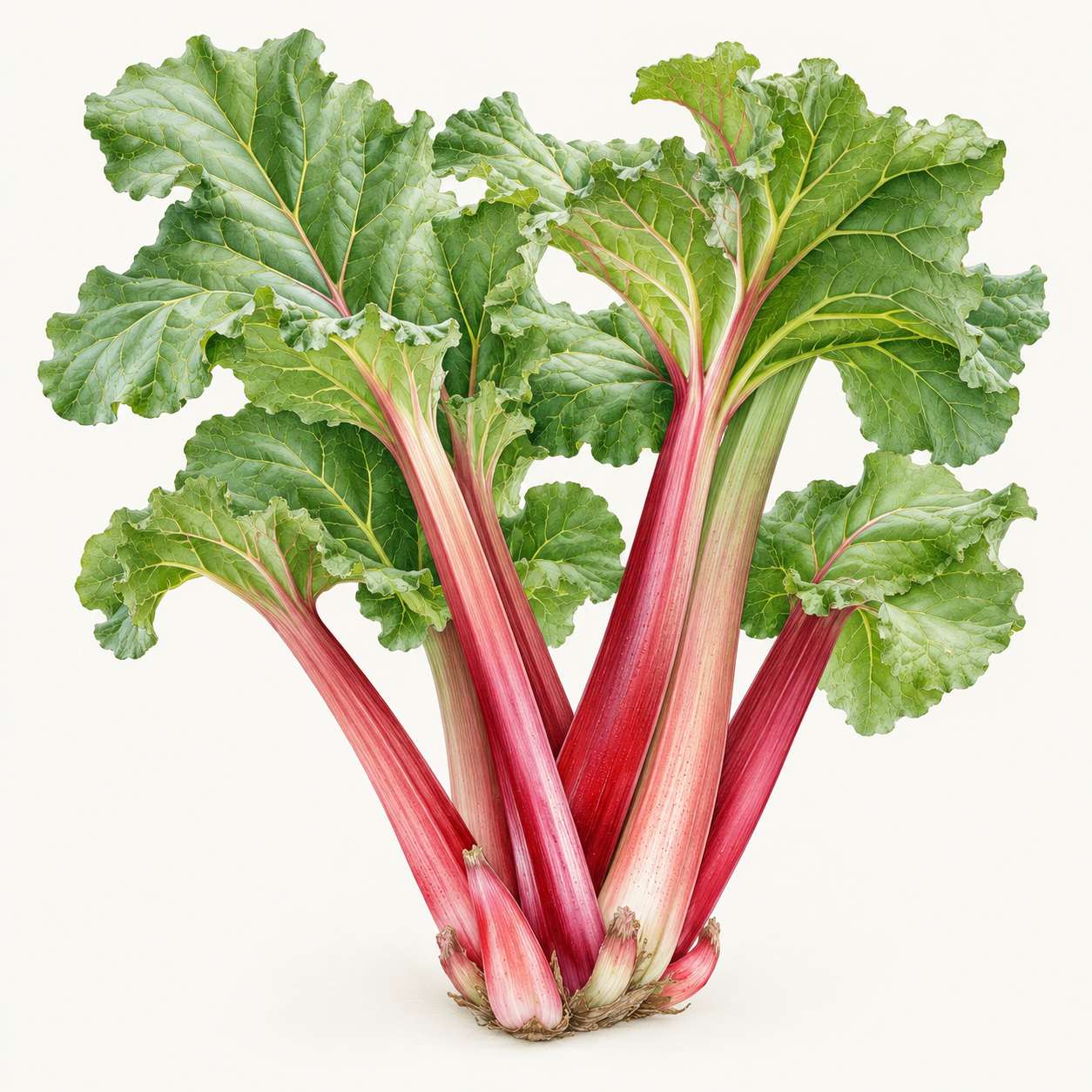
Rosemary
A strongly aromatic Mediterranean herb with herbal, piney, camphoraceous and fresh woody facets, useful for adding clarity and structure to aromatic compositions.
9 referenced entries →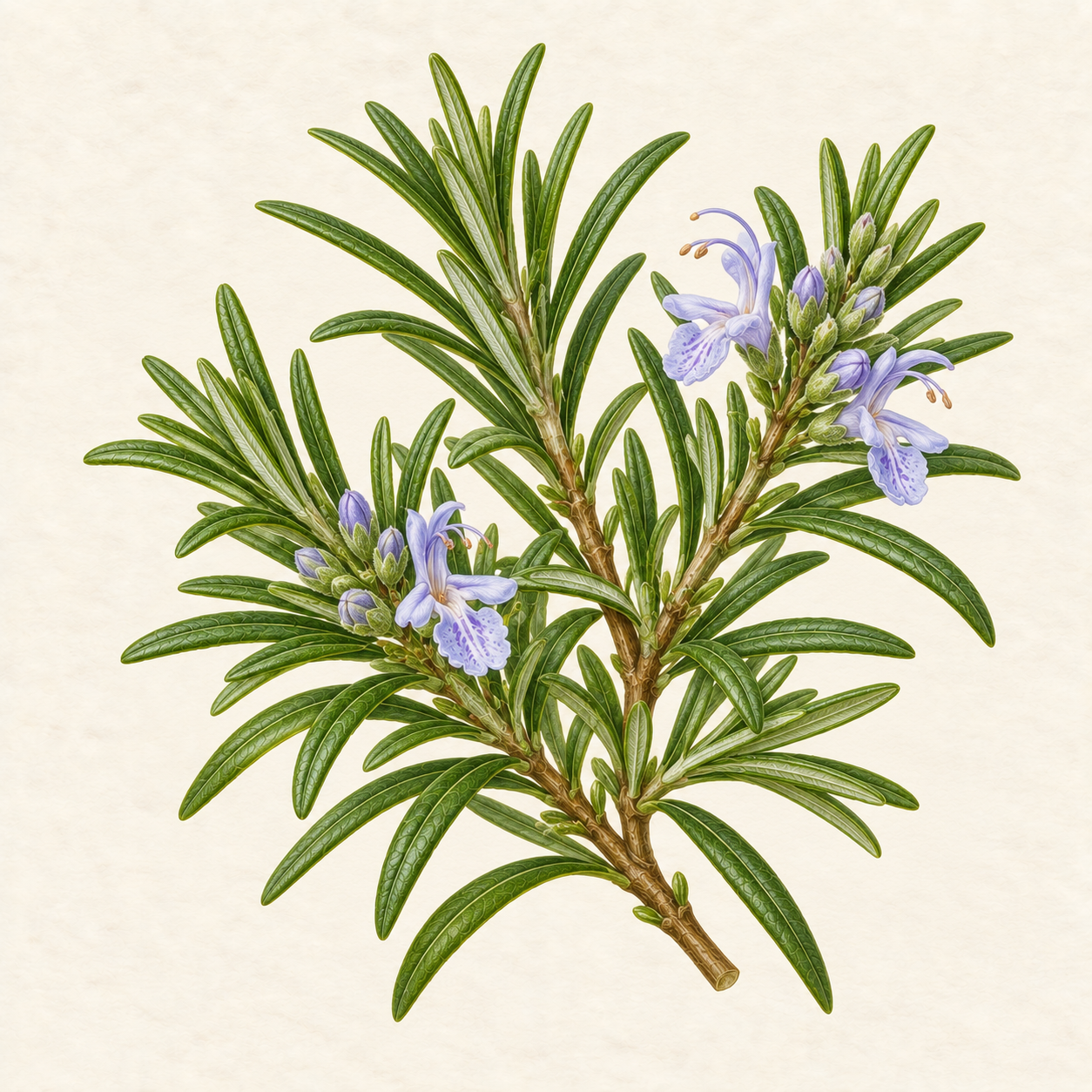
Tea
A broad leaf-derived aroma family spanning green, floral, tannic, malty, fruity, smoky and earthy styles, with processing often more decisive than the plant species itself.
15 referenced entries →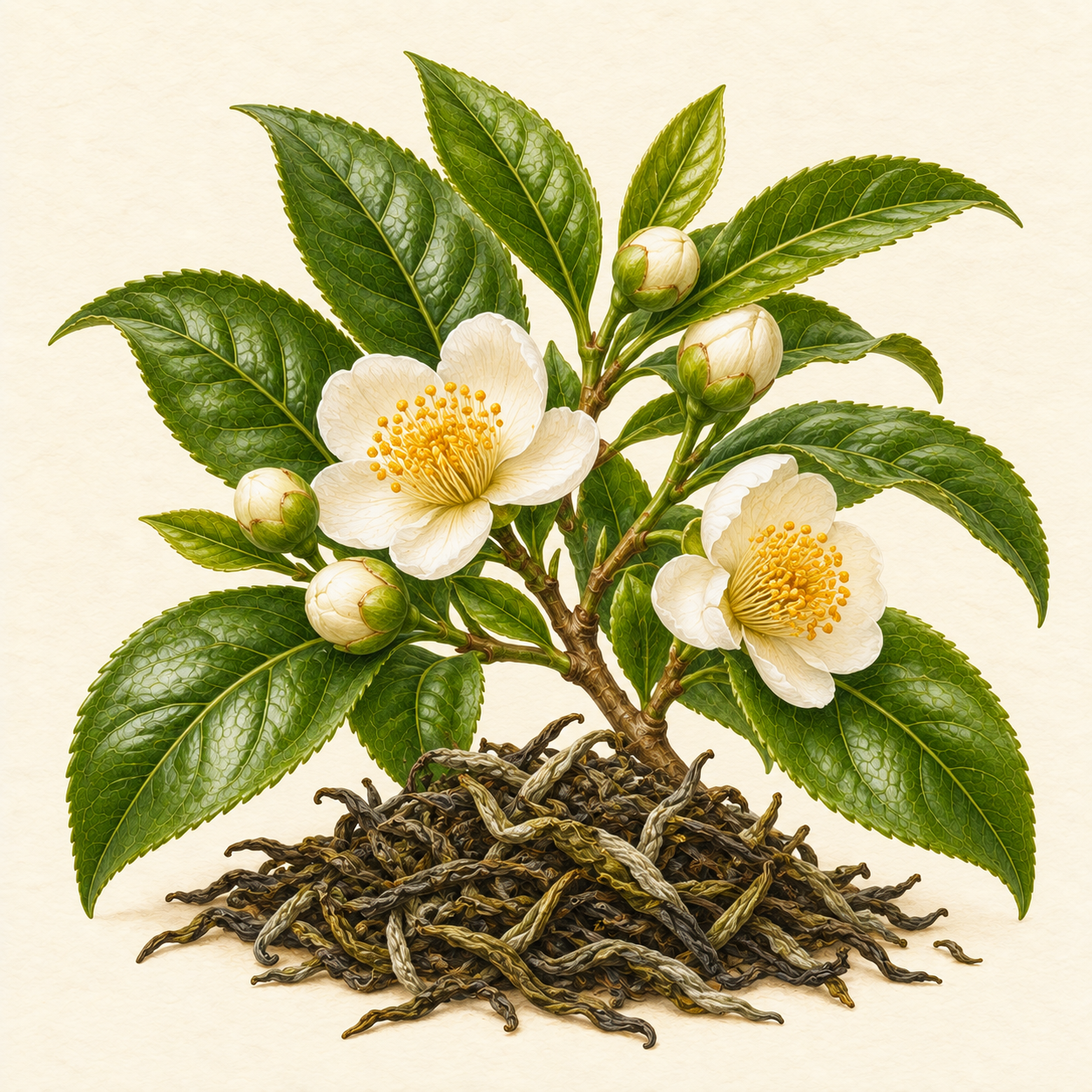
Thyme
A brisk aromatic herb with green, warm-spicy, dry and slightly medicinal facets.
4 referenced entries →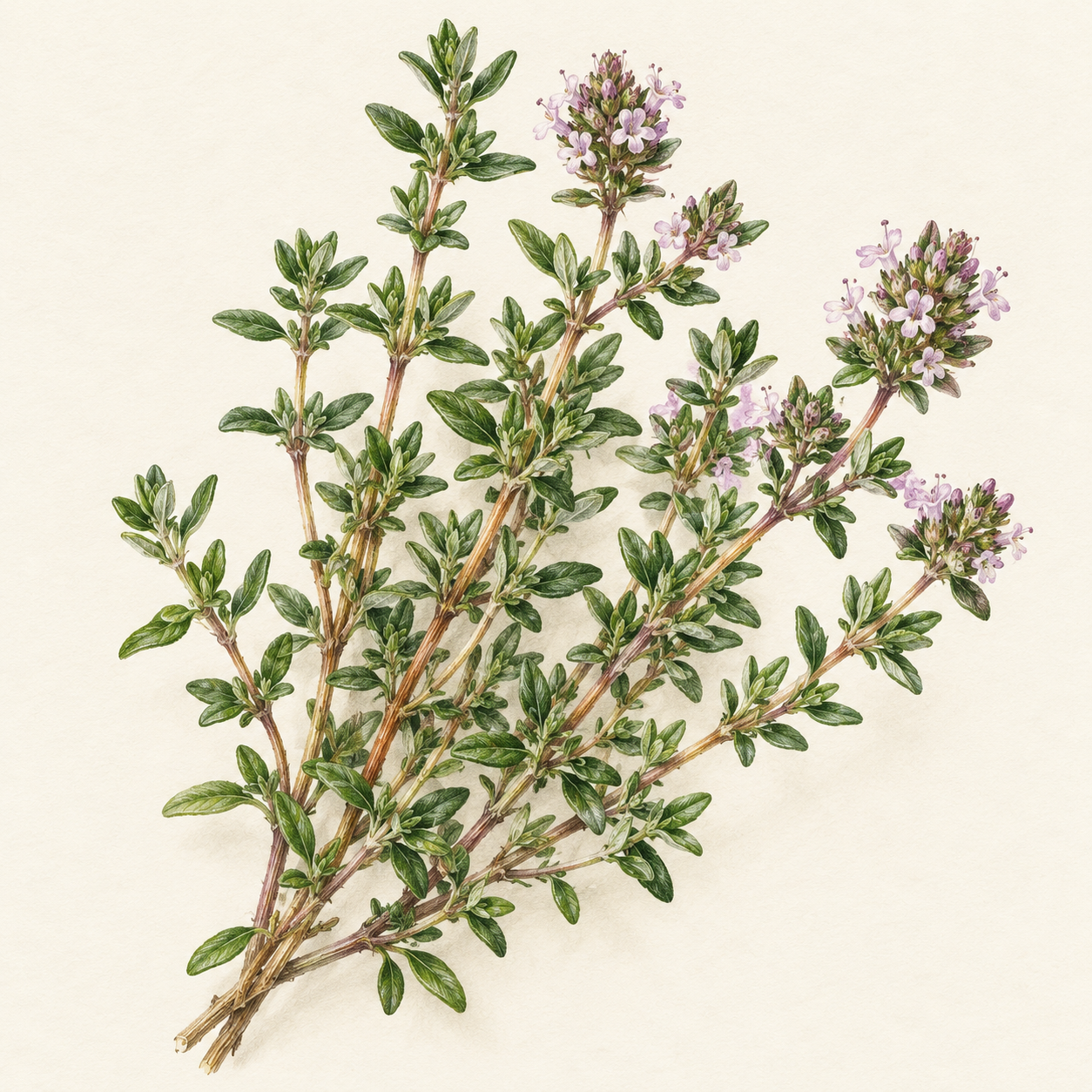
Tobacco
A cured-leaf material ranging from honeyed hay and dried fruit to smoke, wood and leather, with curing method strongly shaping the final aroma.
14 referenced entries →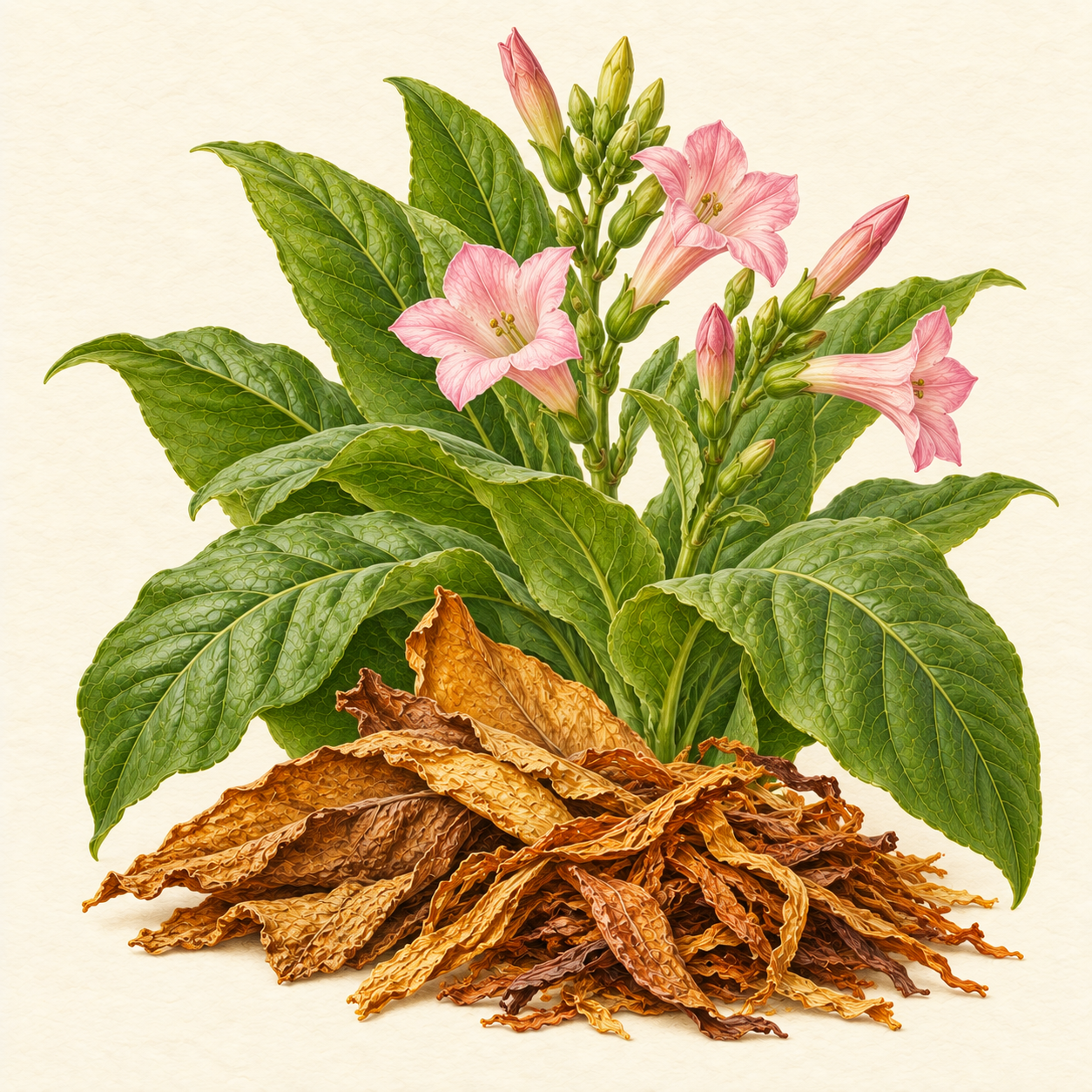
Verbena
A fresh green aromatic note described by sources as verbena. Keep generic verbena wording distinct from specifically named lemon verbena.
2 referenced entries →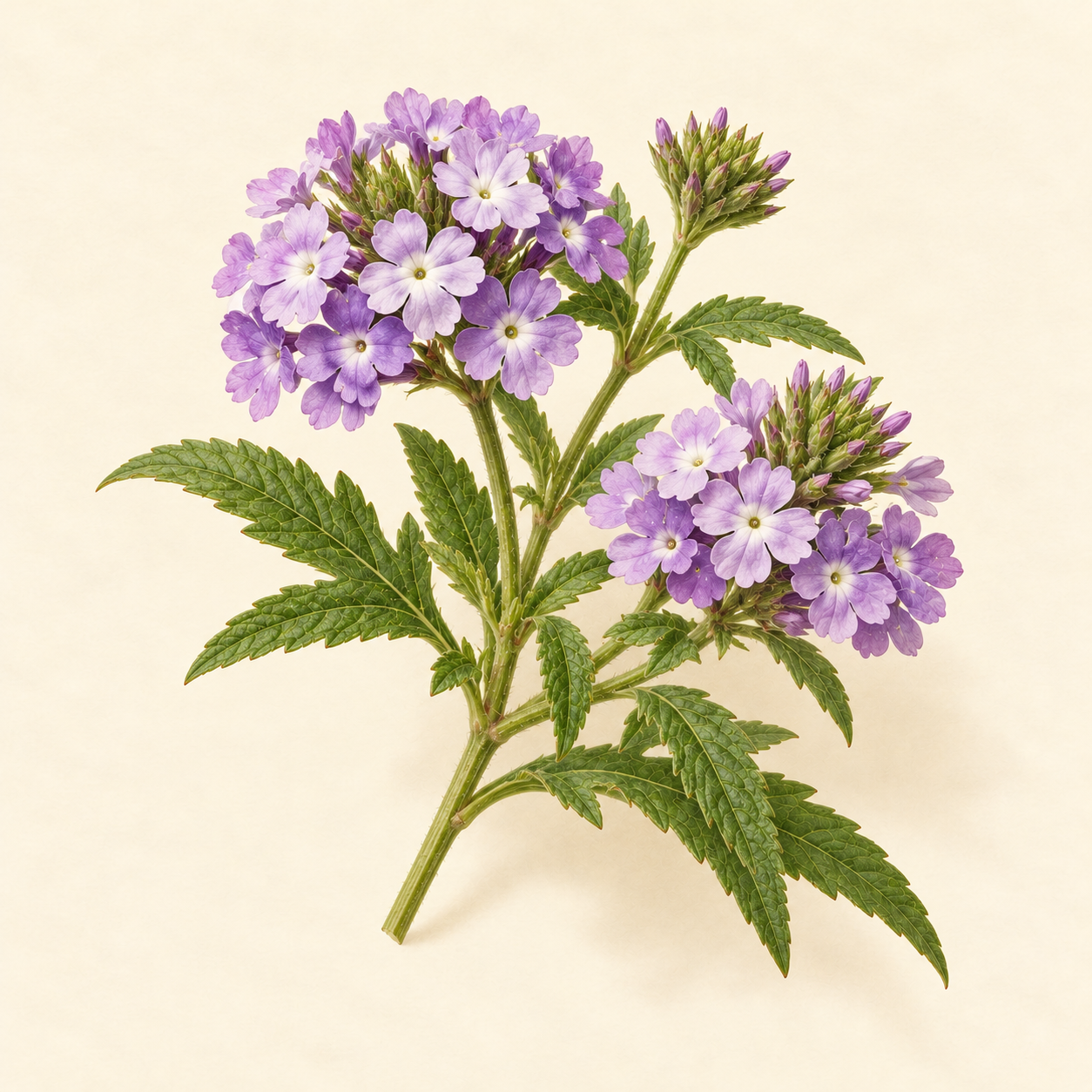
Violet Leaf
A green, watery, cucumber-like leaf material with crushed-leaf, metallic and earthy facets, distinct from powdery violet-flower accords.
10 referenced entries →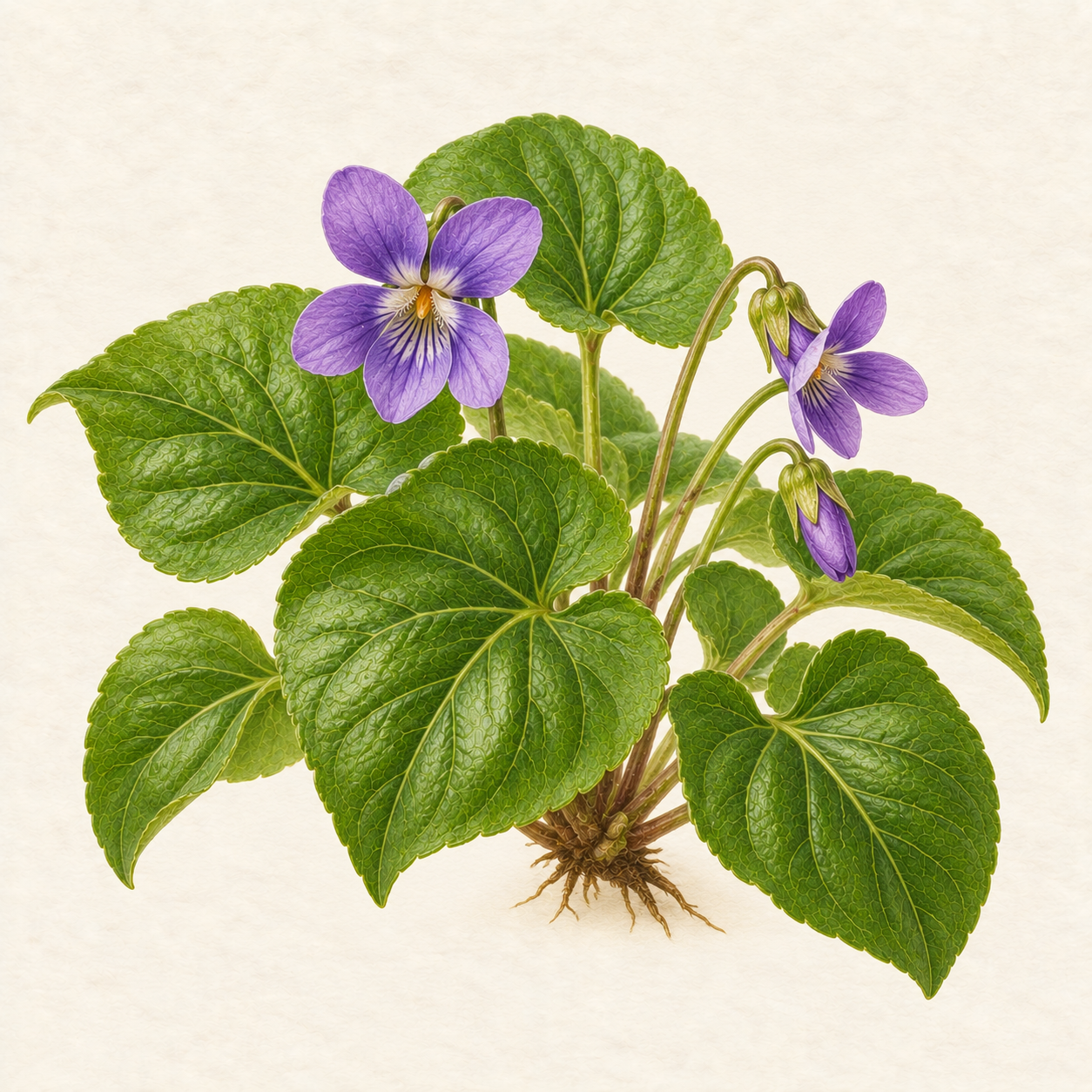
BROWSE FAMILY
Spices
Anise
A sweet, fresh and liquorice-like aromatic spice note associated with the tiny ridged fruits of true anise, not the star-shaped fruits of star anise.
1 referenced entry →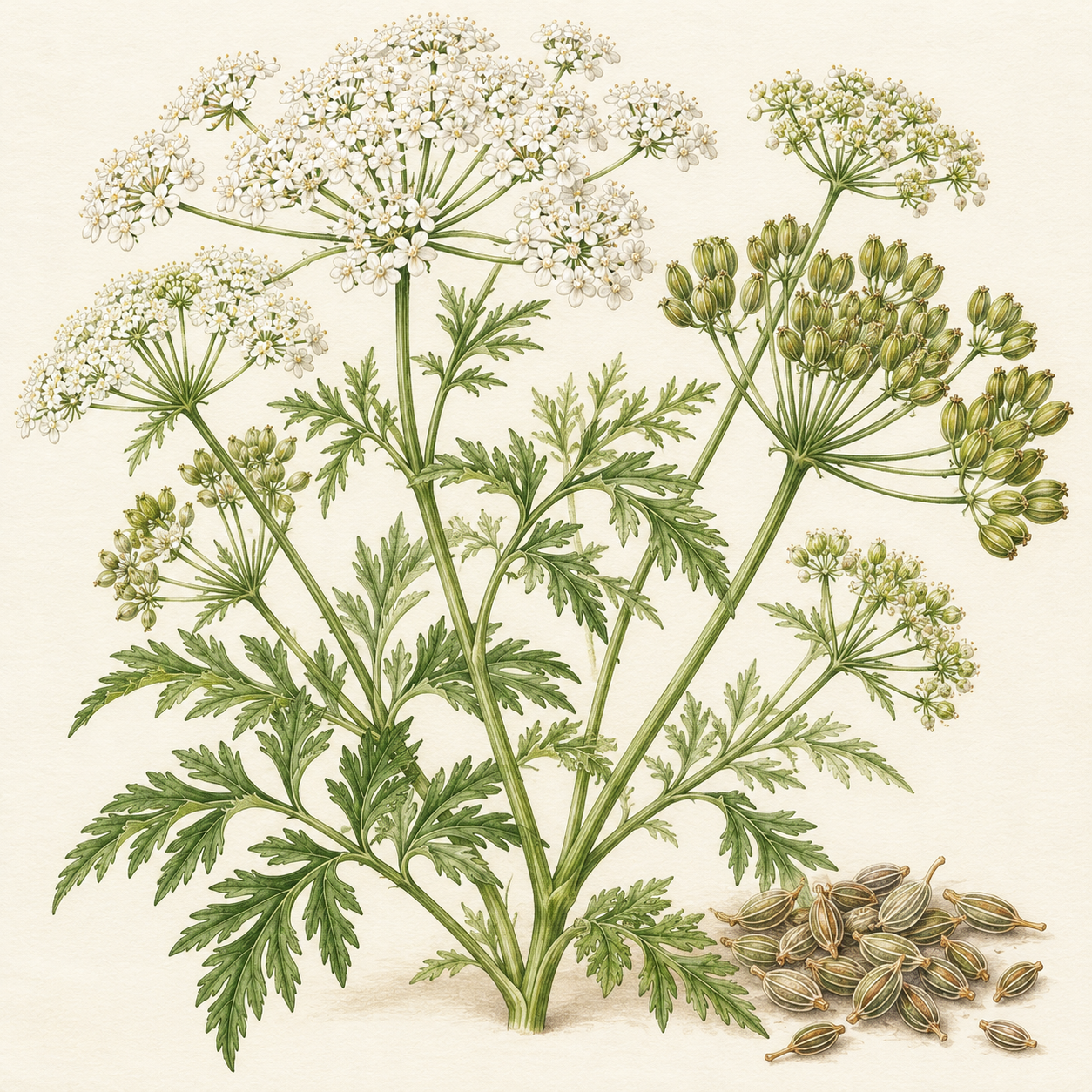
Black Pepper
A dry, sparkling spice material with peppery heat, woody freshness and citrus-terpenic lift, often used to add brightness and texture rather than sweetness.
16 referenced entries →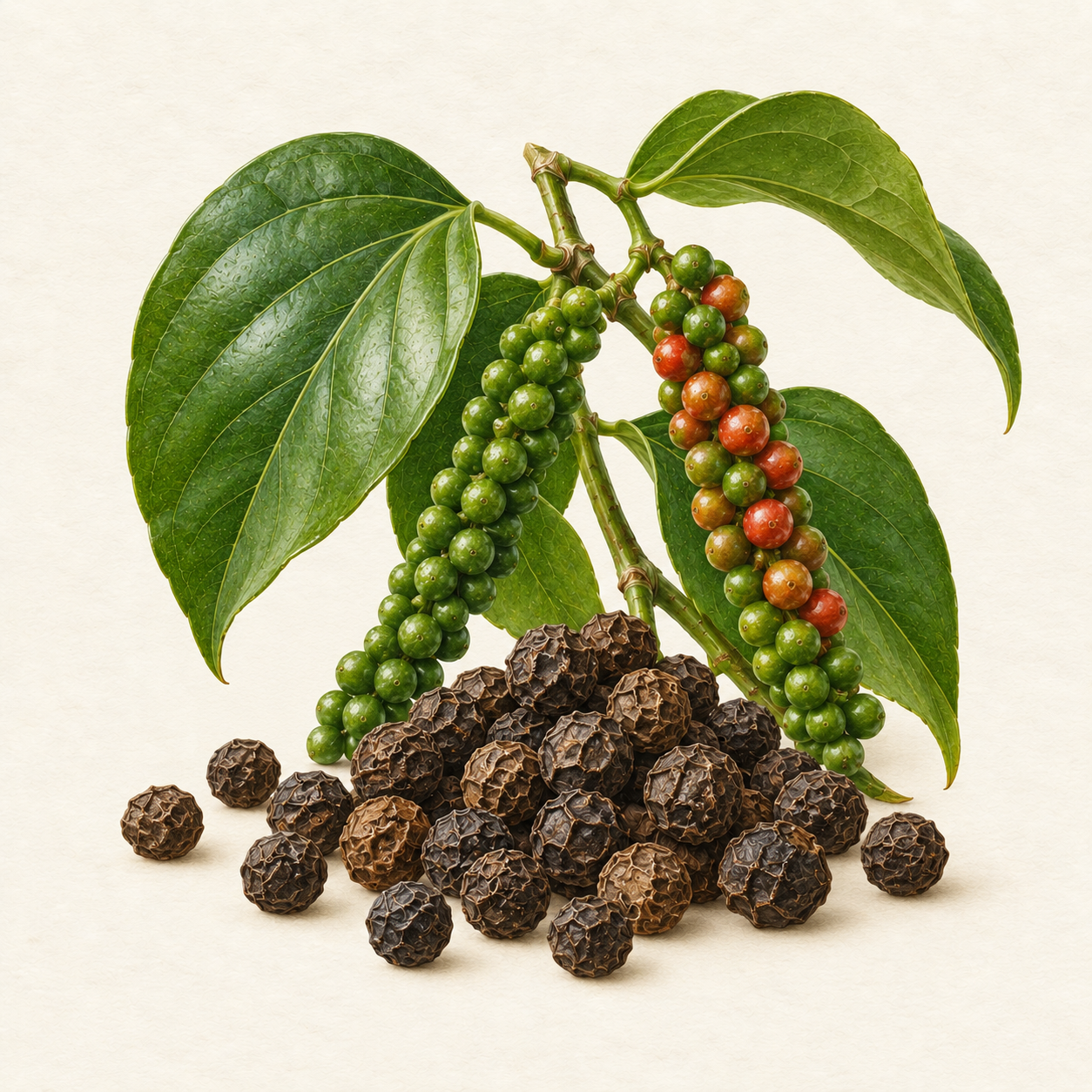
Cardamom
Intensely aromatic seed spice with a fresh, cool-spicy and warm character that crosses perfume, tea, coffee and food aroma.
37 referenced entries →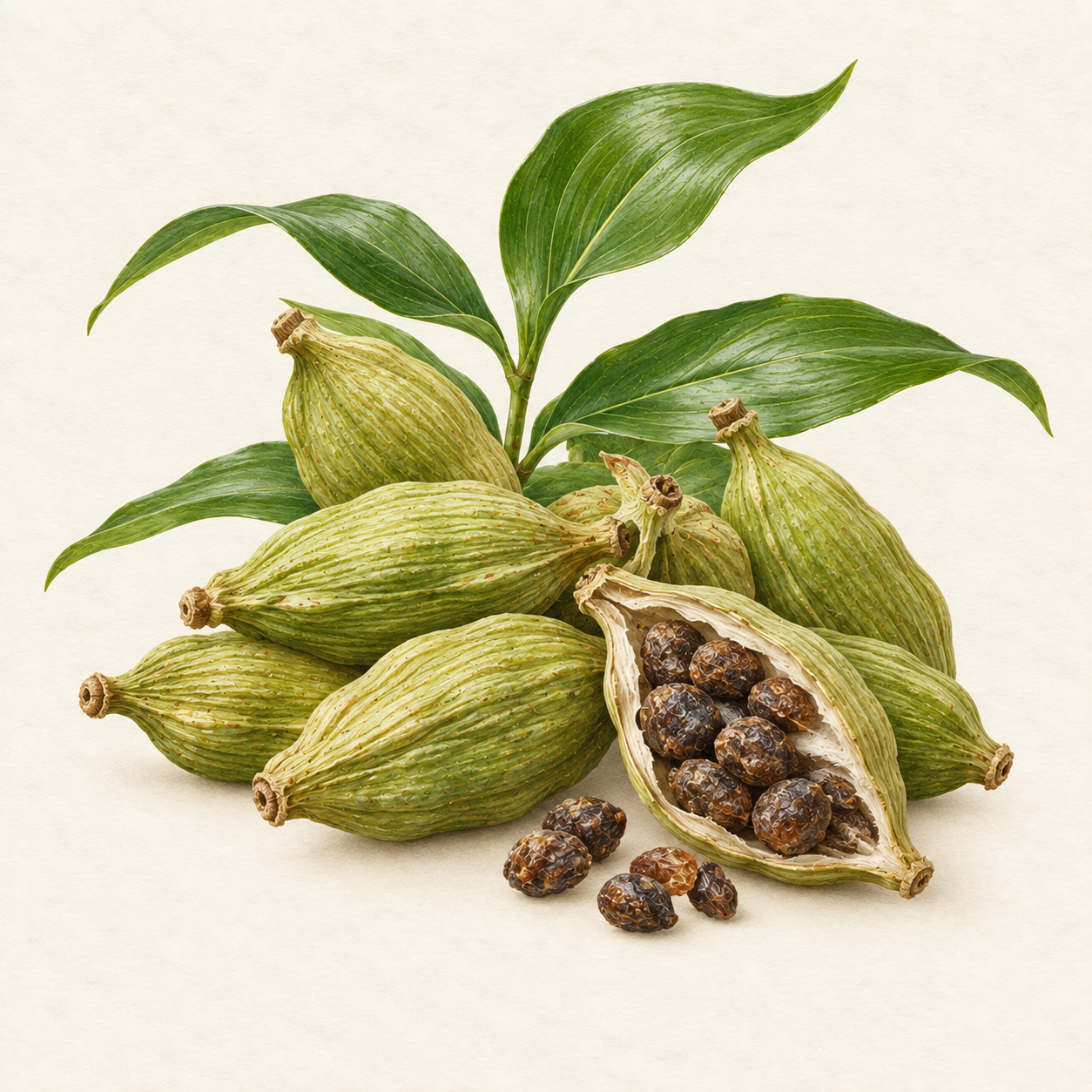
Cinnamon
A sweet-hot bark spice with woody, balsamic and warm aldehydic character; true cinnamon should be distinguished from cassia and from cinnamon leaf oil.
27 referenced entries →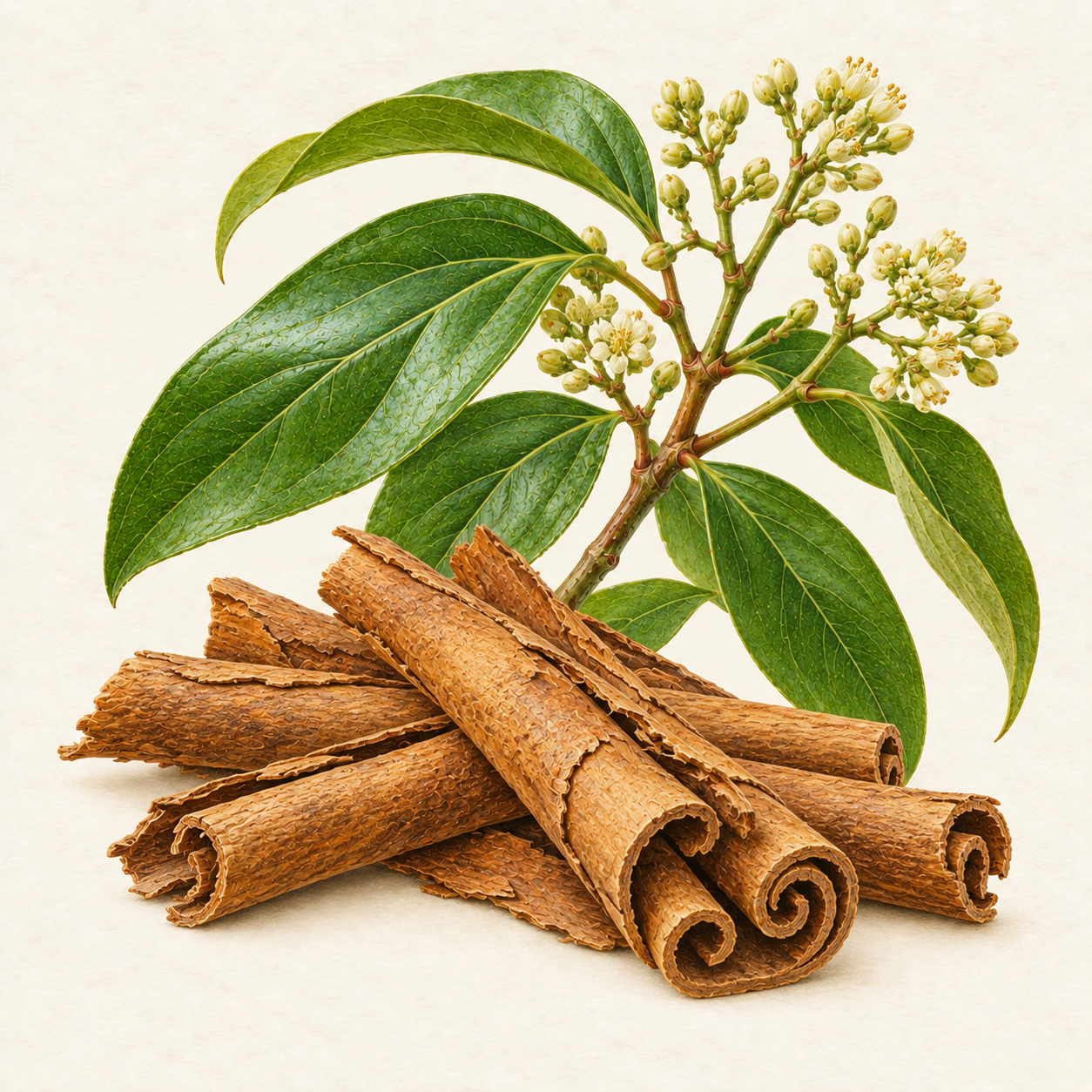
Clove
A powerful warm spice material dominated by sweet, hot, medicinal and woody facets, with eugenol strongly shaping the classic clove-bud smell.
10 referenced entries →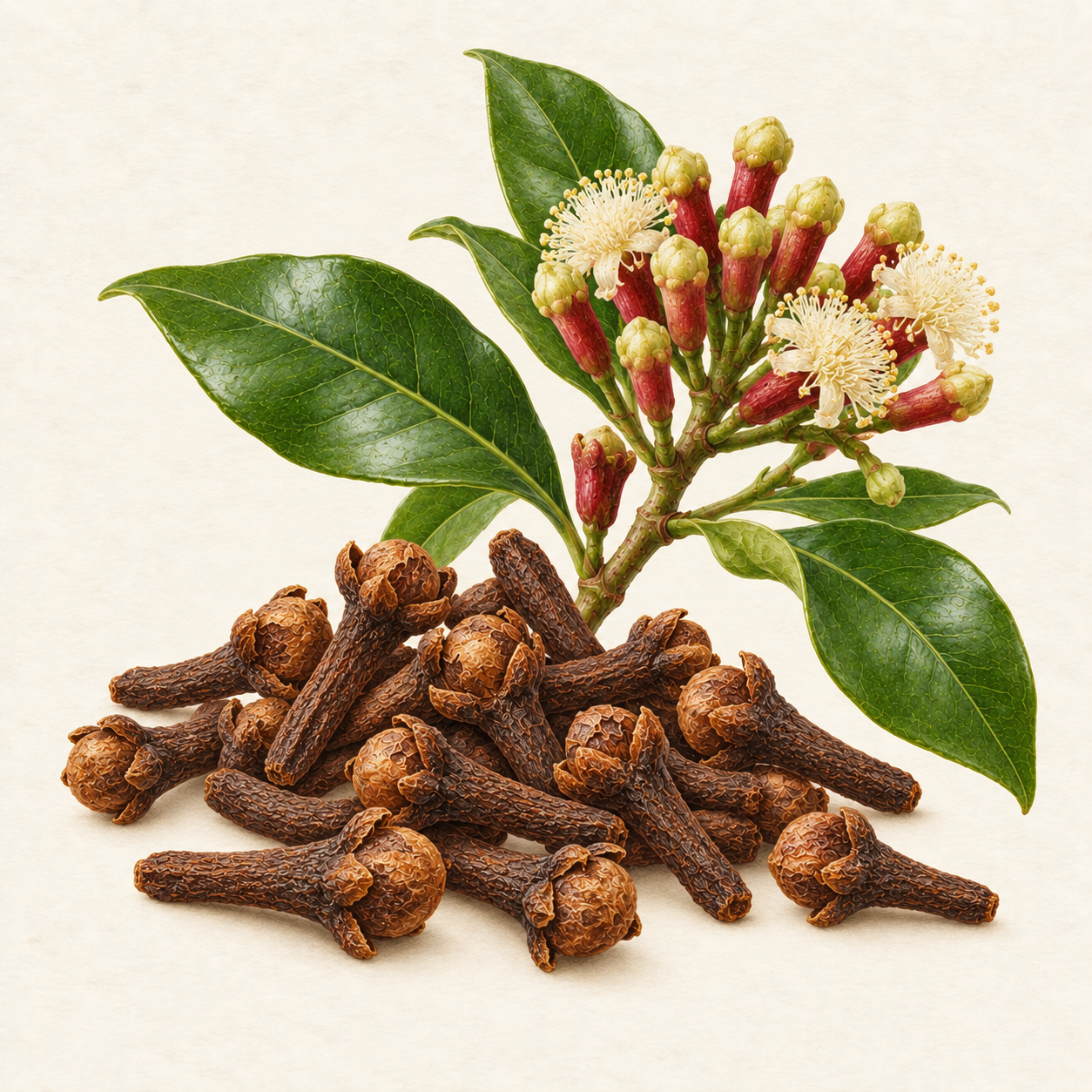
Coriander Seed
Aromatic seed spice with warm citrus, peppery spice and soft woody sweetness; notably different from the green, pungent smell of fresh coriander leaf.
12 referenced entries →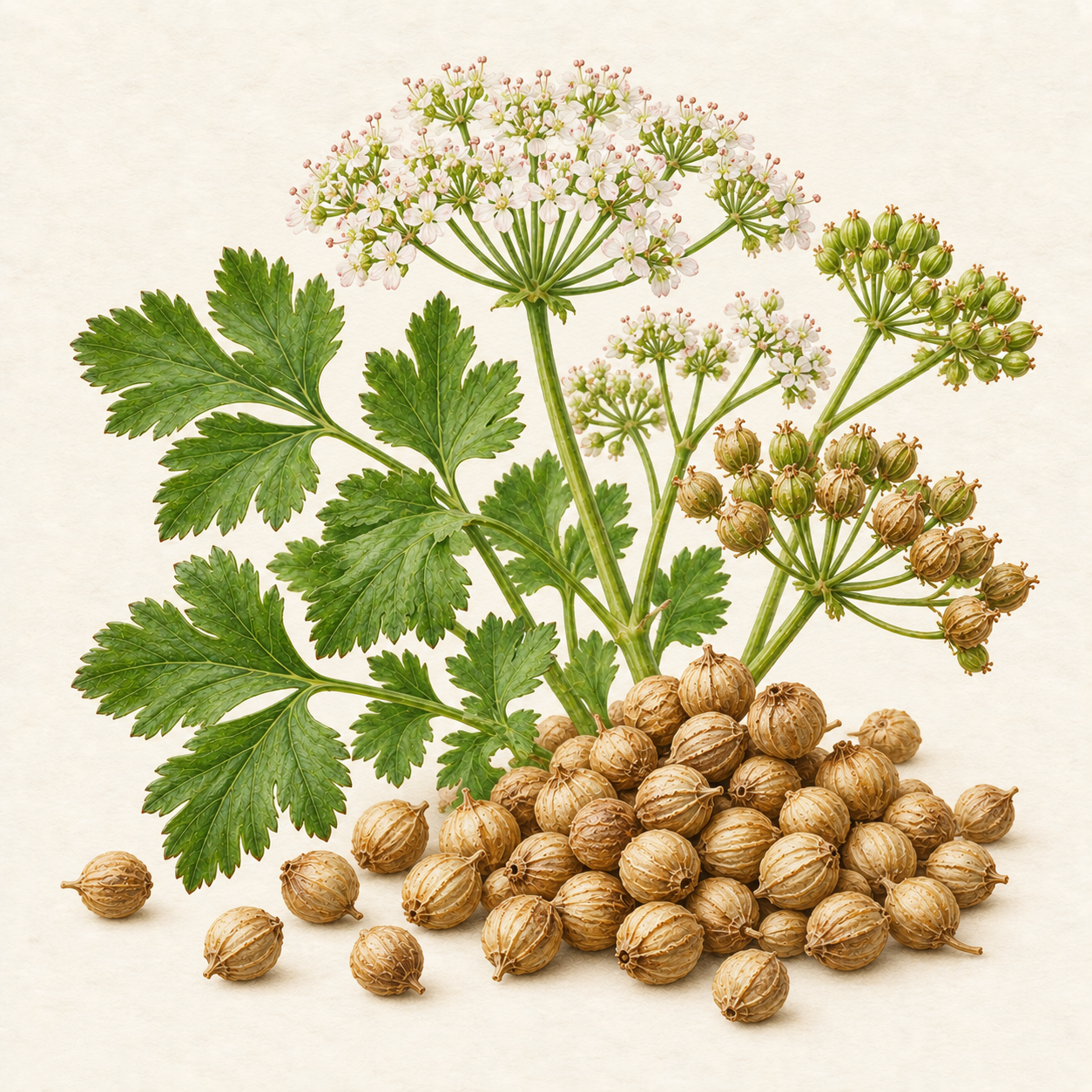
Cumin
A warm, dry spice material with earthy, leathery and distinctly animalic facets that can read as sweaty or skin-like in perfume.
9 referenced entries →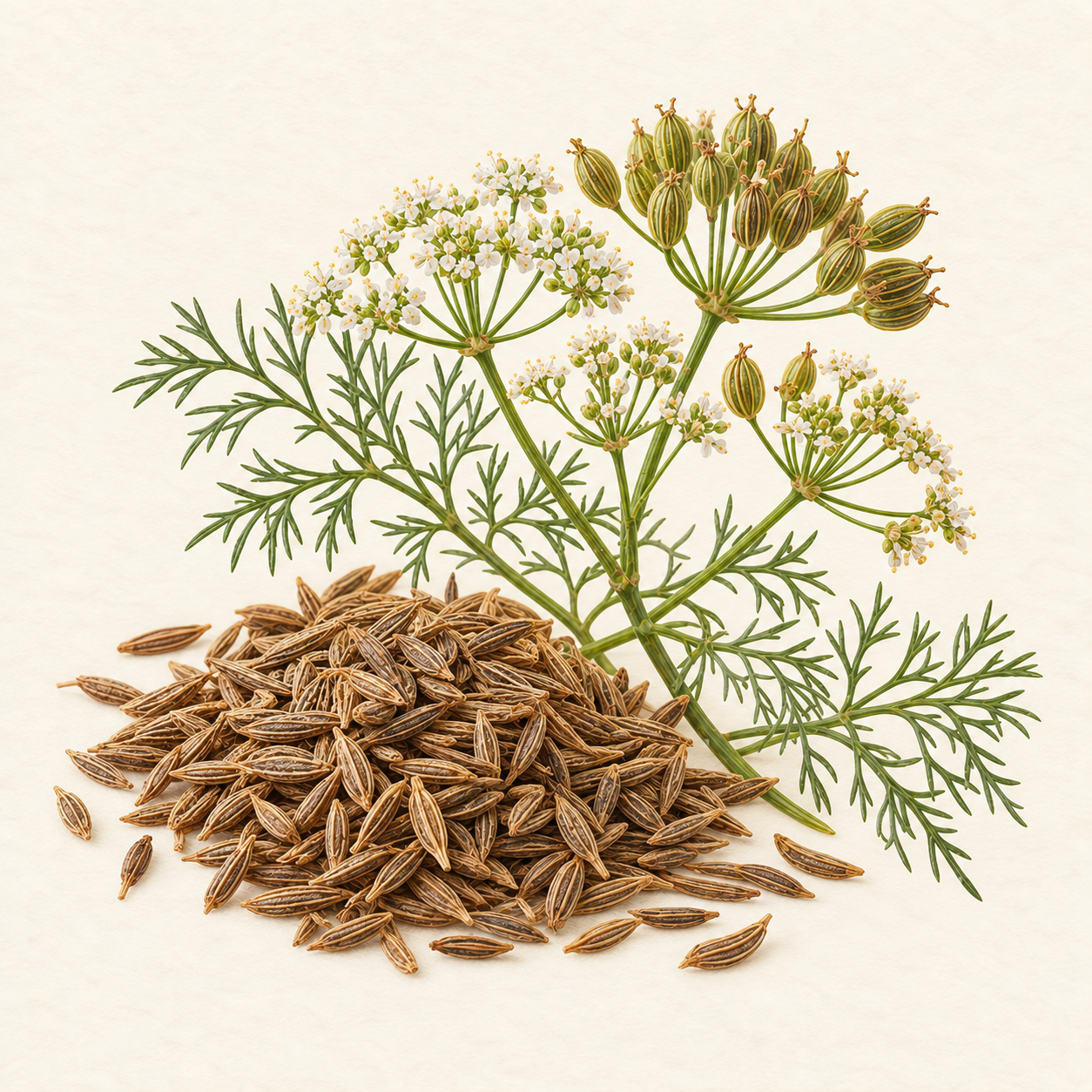
Ginger
A pungent aromatic rhizome with fresh, warm and spicy facets, familiar from food and drink and used in perfumery for lift and heat.
17 referenced entries →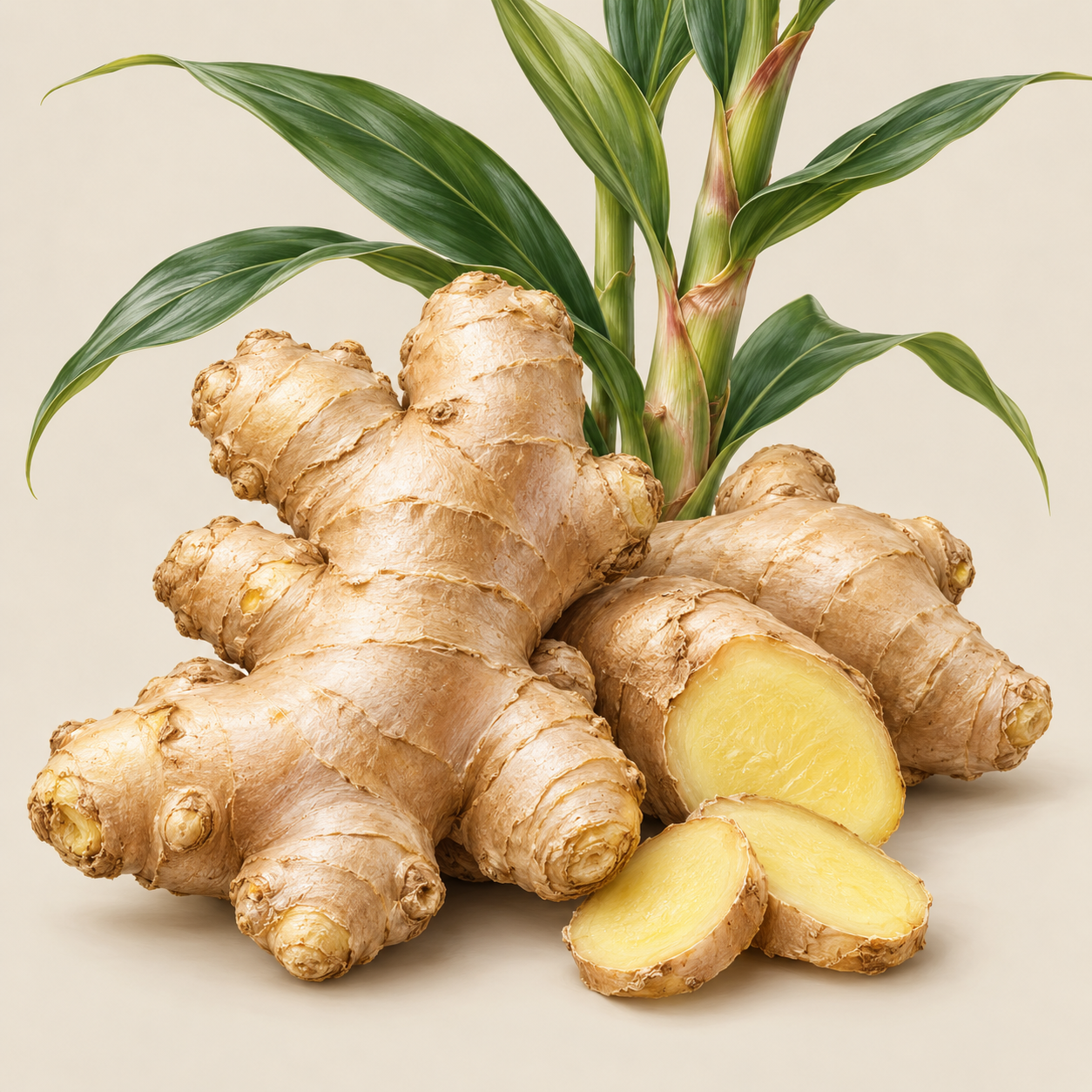
Mace
A warm aromatic spice from the aril surrounding the nutmeg seed, typically drier, brighter and more peppery than nutmeg while retaining woody sweetness.
1 referenced entry →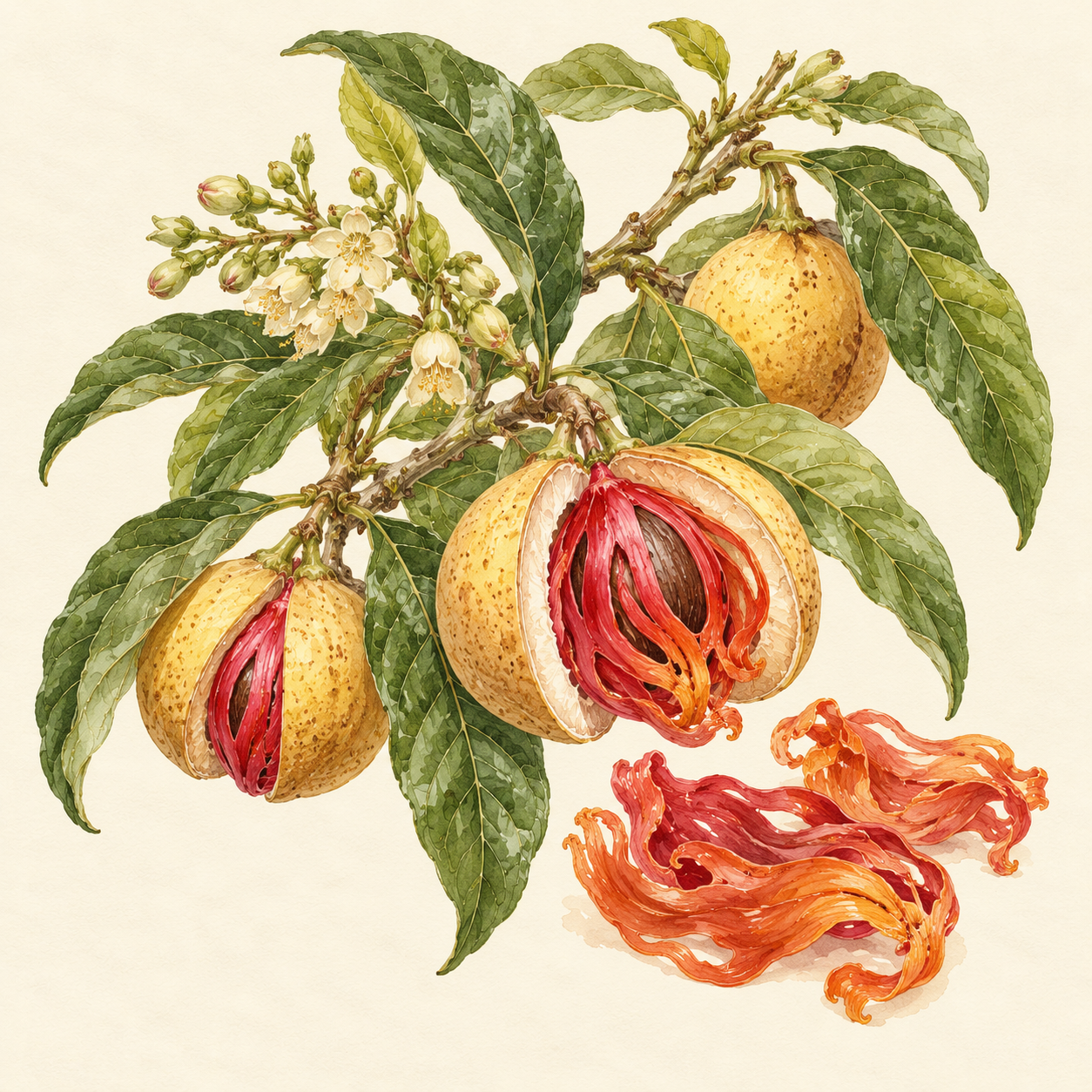
Nutmeg
A warm aromatic spice balancing woody sweetness, dry earth, pepper, camphor and soft resinous depth; distinct from mace even though both come from the same fruit.
17 referenced entries →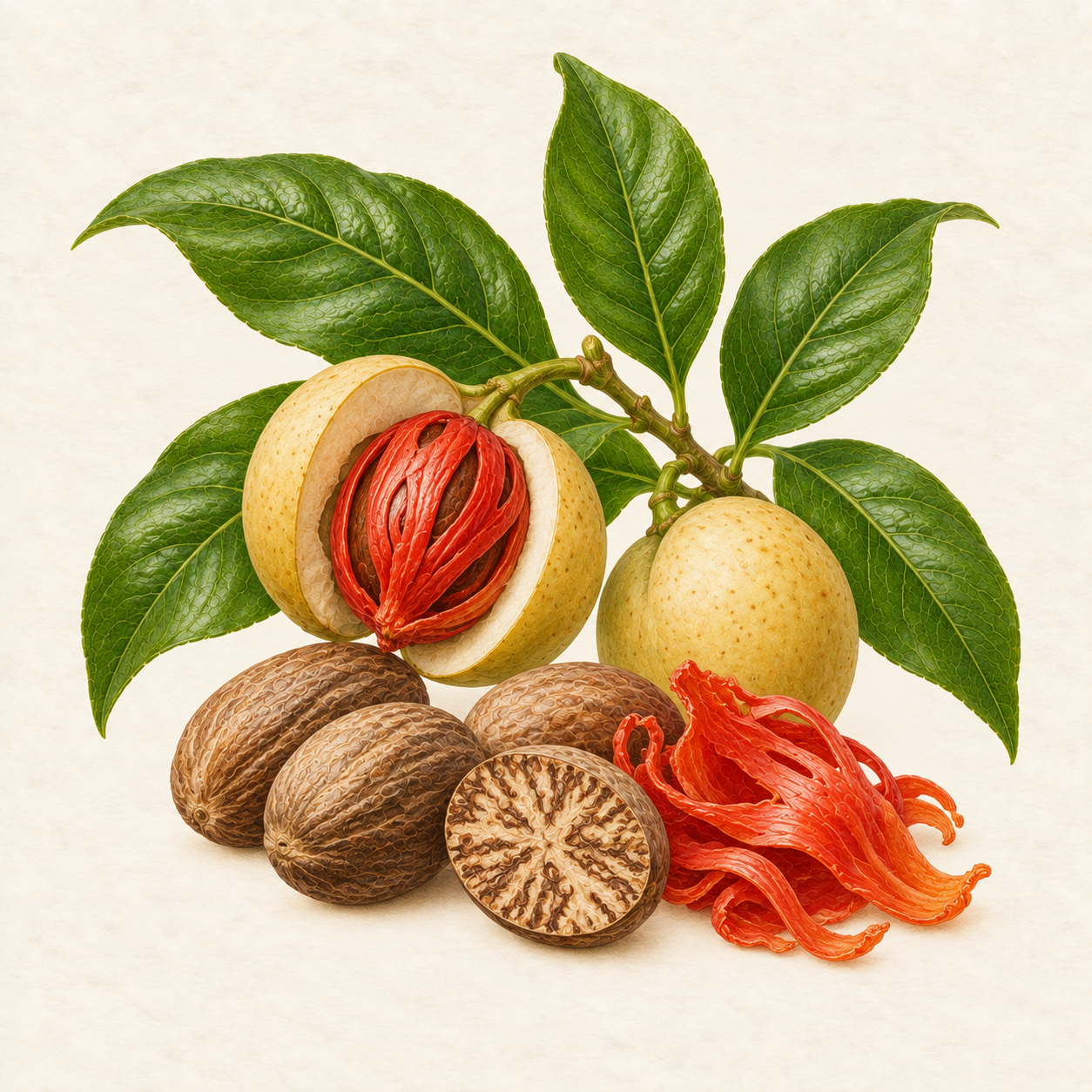
Pimento
A warm allspice note with clove-like, cinnamon-like and nutmeg-like facets; some fragrance descriptions specify pimento leaf instead of the berry.
2 referenced entries →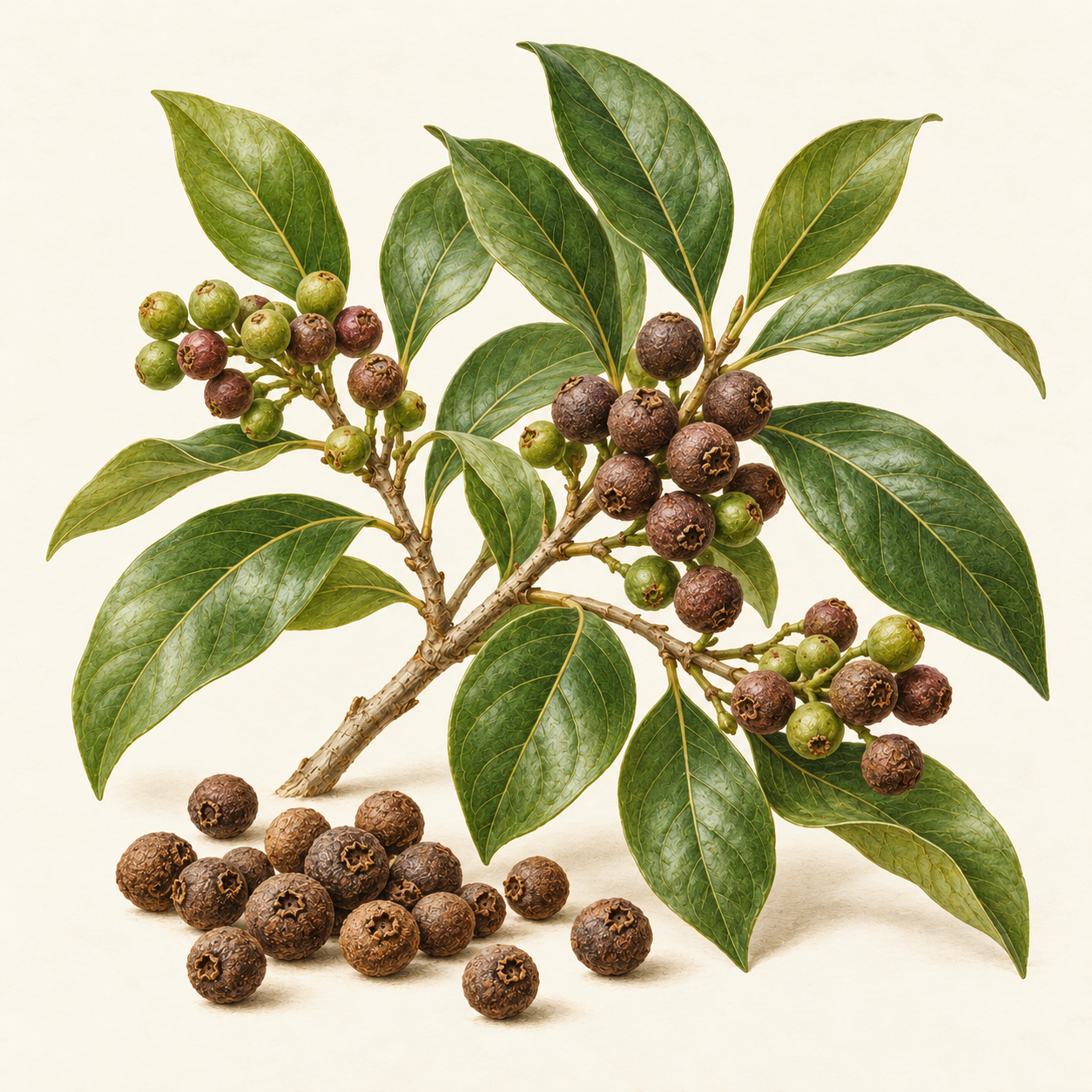
Pink Pepper
A bright, rosy-peppery spice note with fresh citrus, fruity and lightly resinous facets; more sparkling and less dry than black pepper.
19 referenced entries →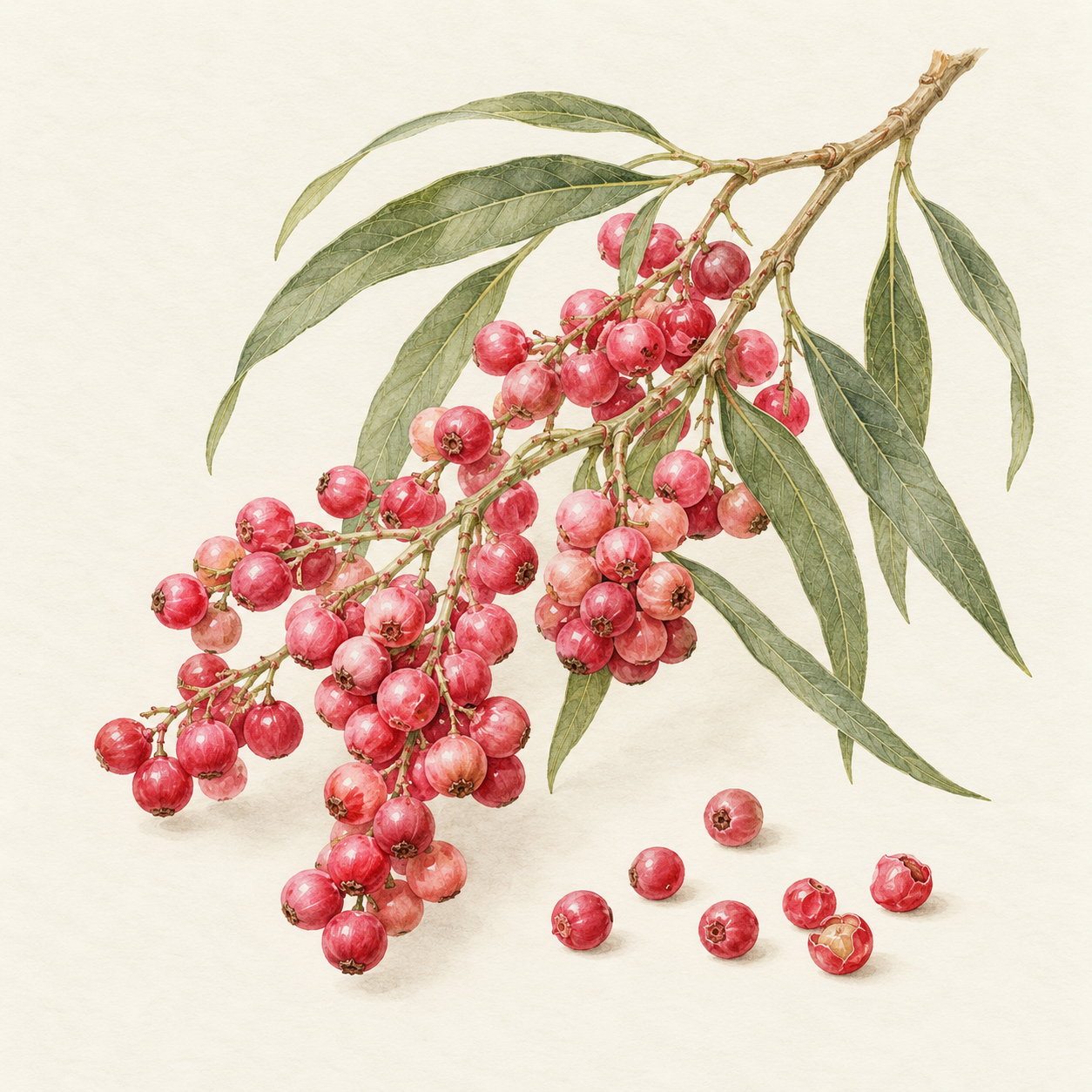
Saffron
An unusual floral spice material with dry hay, honey, leather, medicinal and metallic facets; its characteristic aroma is strongly associated with safranal.
36 referenced entries →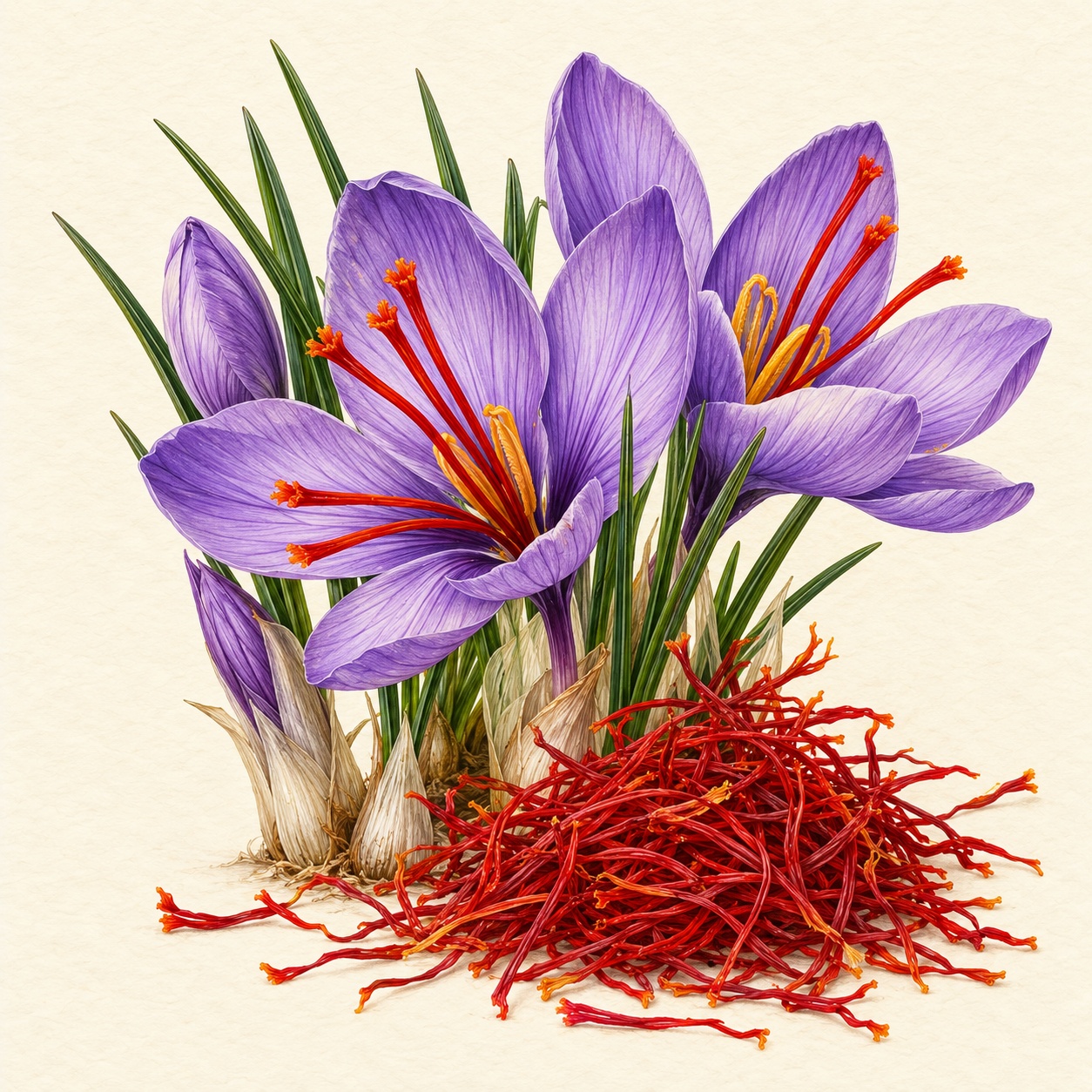
Sichuan Pepper
A vivid citrus-pepper spice with tingling freshness, grapefruit-like lift and dry woody-aromatic facets.
3 referenced entries →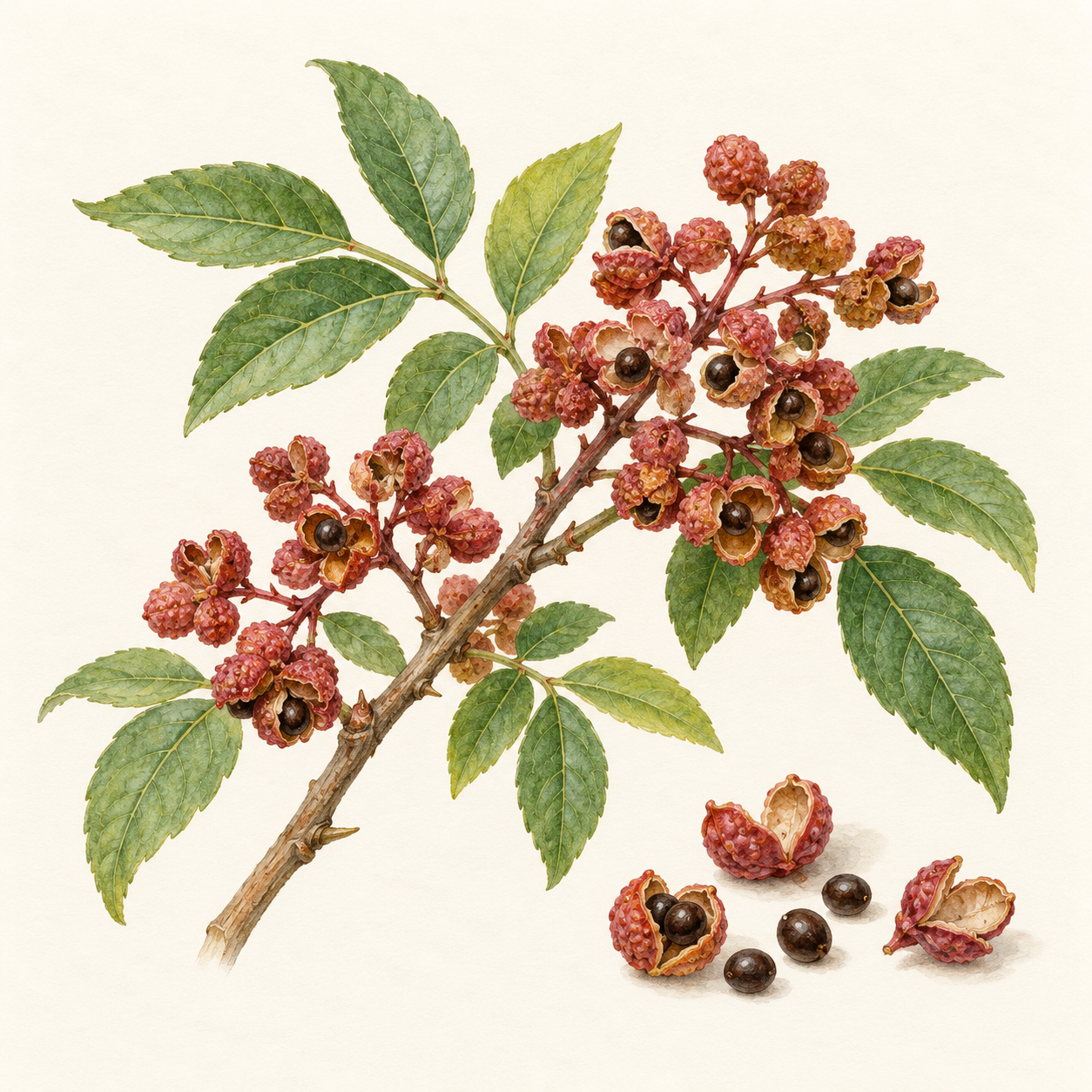
Star Anise
A sweet, intensely anise-like spice with warm, balsamic and slightly woody facets, distinct botanically from true anise.
7 referenced entries →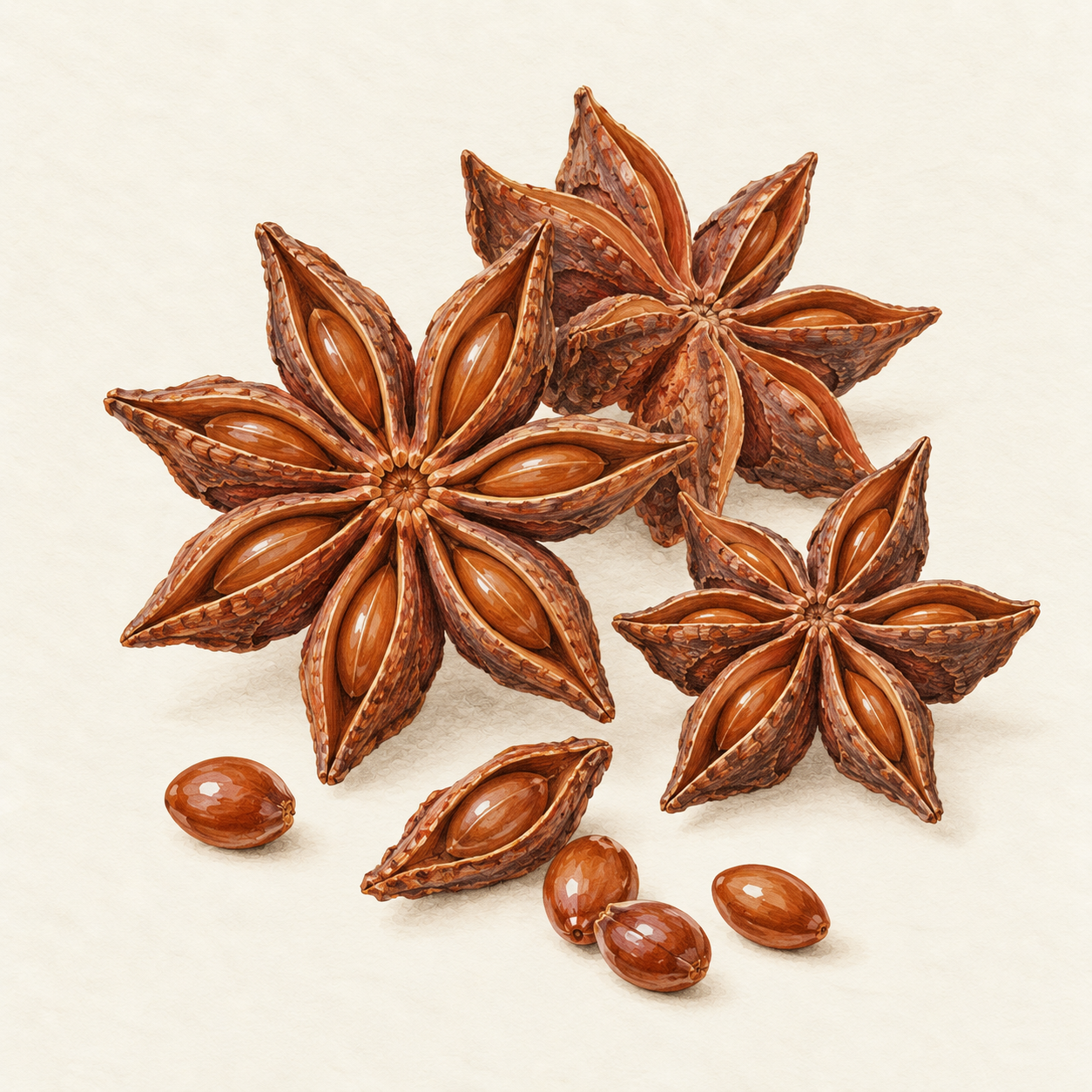
BROWSE FAMILY
Woods, roots & mosses
Amyris
A softly balsamic, dry woody note with warm, sweet, cedar-like and faintly smoky facets; often called West Indian sandalwood despite its different botanical origin.
2 referenced entries →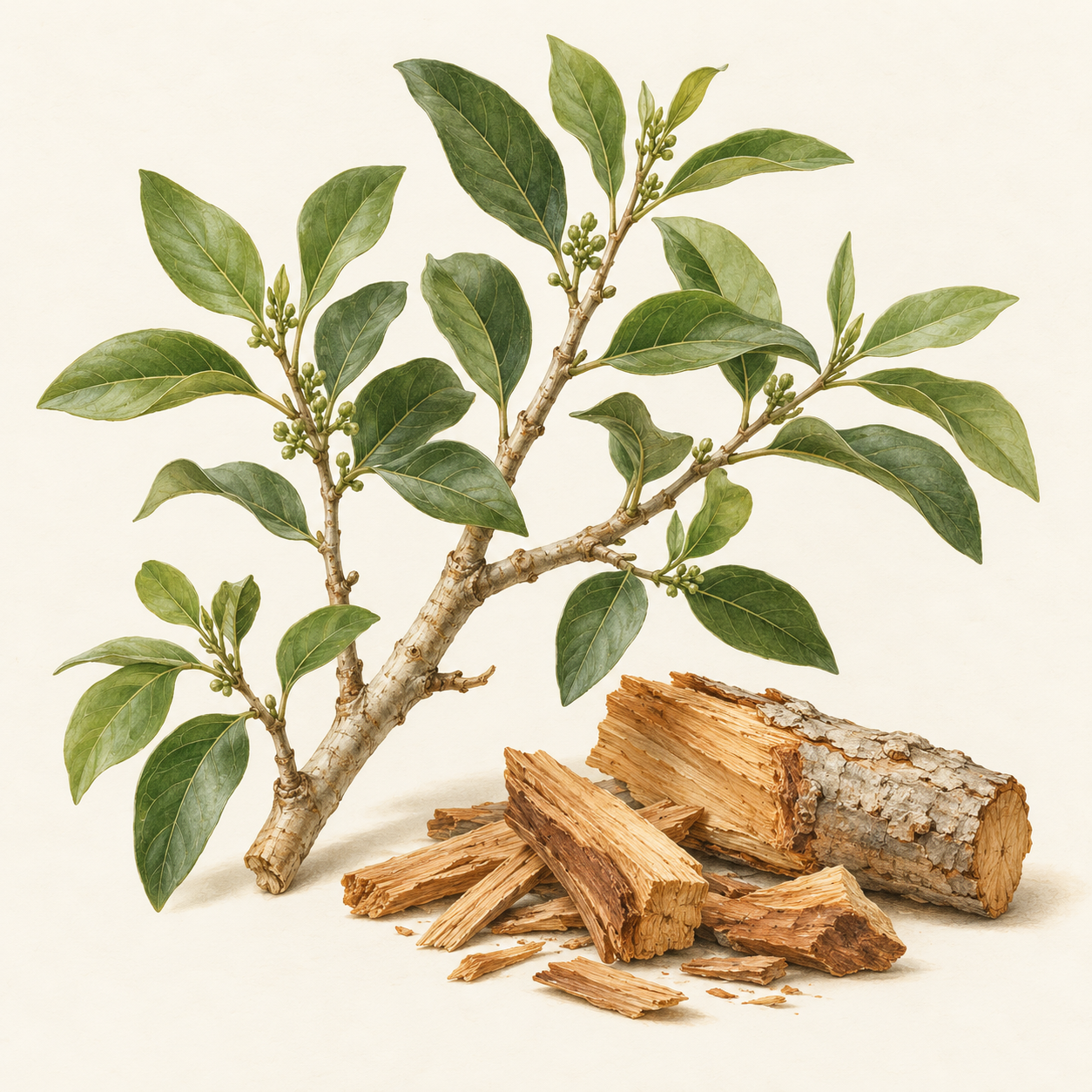
Angelica Root
An aromatic root material combining earthy musk, green herbs, pepper and woods, with a markedly different character from angelica seed oil.
2 referenced entries →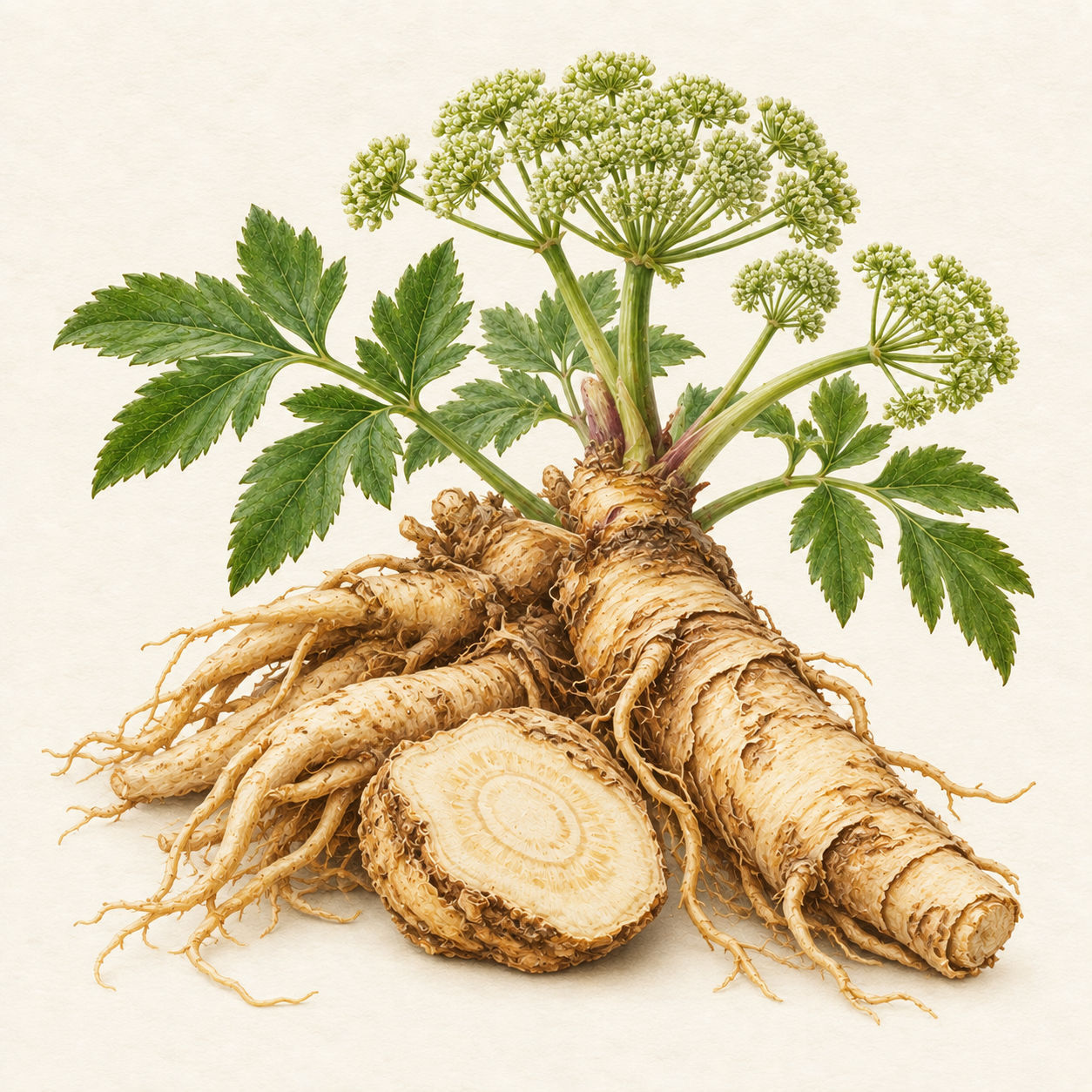
Birch
A source-listed woody birch note. Generic birch wording does not establish birch tar, twig oil or another specific birch-derived material.
4 referenced entries →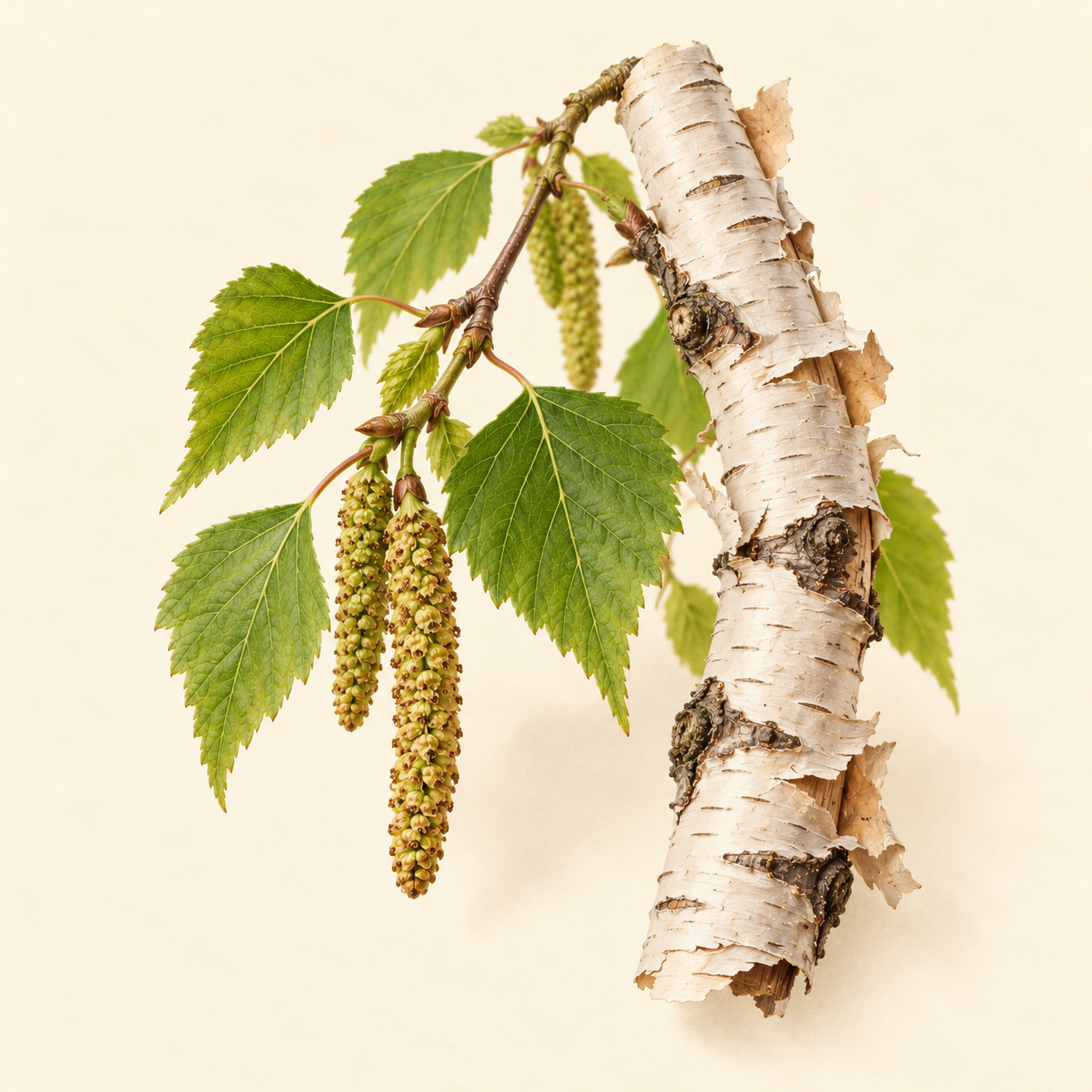
Cade
An intensely smoky, tarry juniper-derived material produced by destructive distillation, historically important in leather, smoke and burnt-wood effects.
1 referenced entry →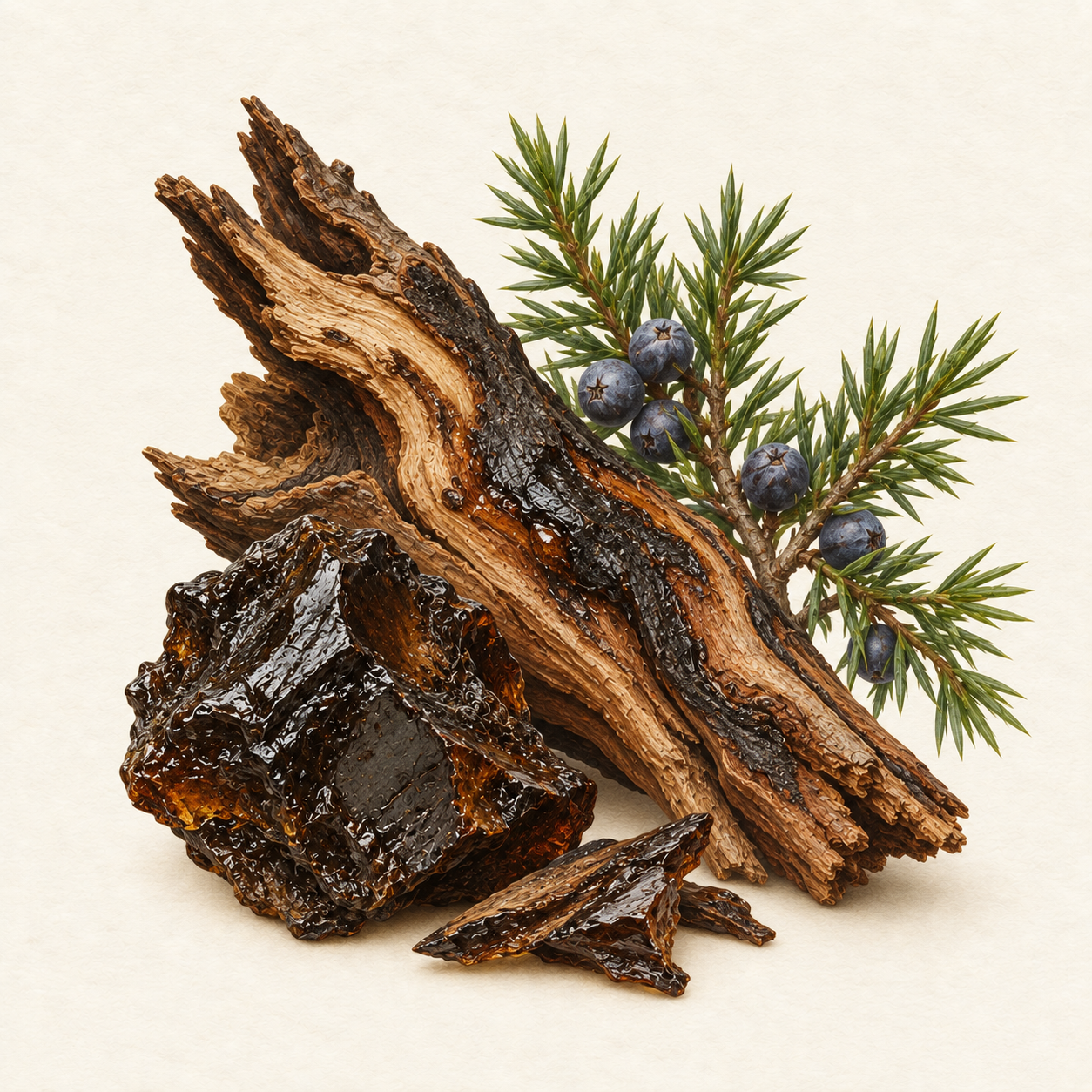
Cedarwood
A dry woody material family ranging from pencil-shaving and smoky facets to softer, warmer wood, with major differences between botanical sources sold under the cedarwood name.
95 referenced entries →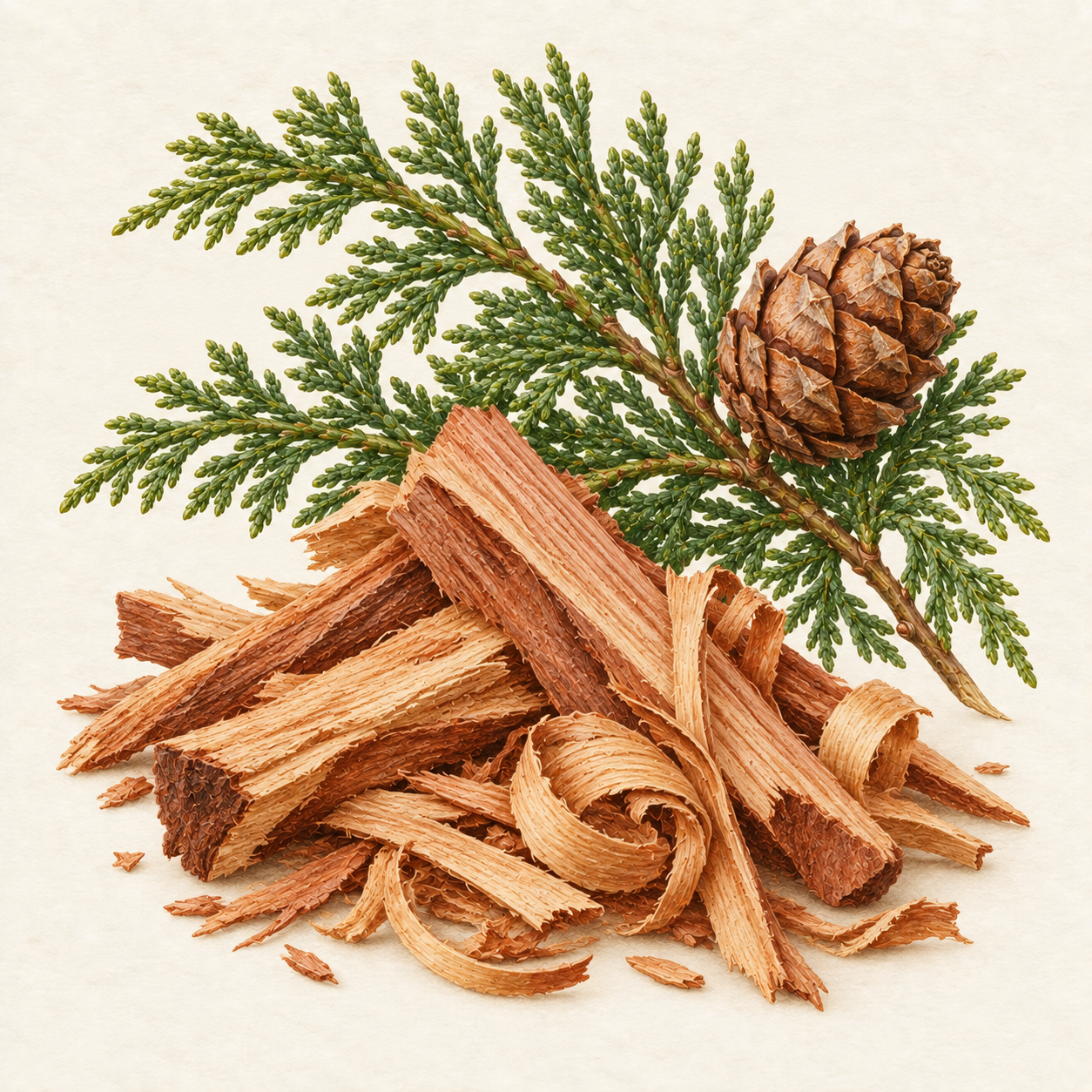
Costus
A powerful Himalayan root material with animalic, fatty, leathery, earthy and violet-like facets, historically used in perfumery but now tightly conservation-regulated.
1 referenced entry →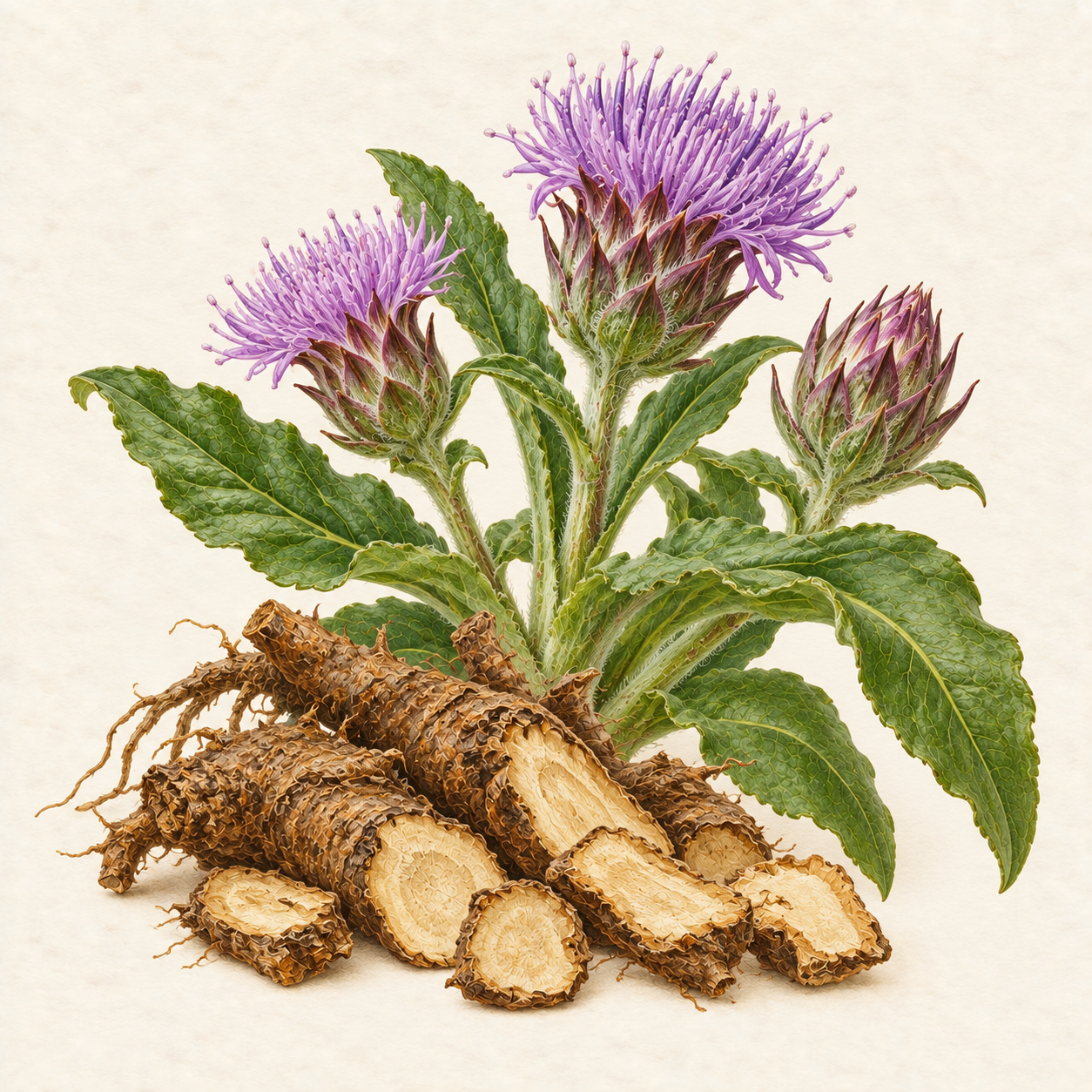
Cypriol / Nagarmotha
A dark aromatic sedge material with earthy, woody, smoky, leathery and dry-spicy facets, often used to reinforce oud, vetiver and leather structures.
7 referenced entries →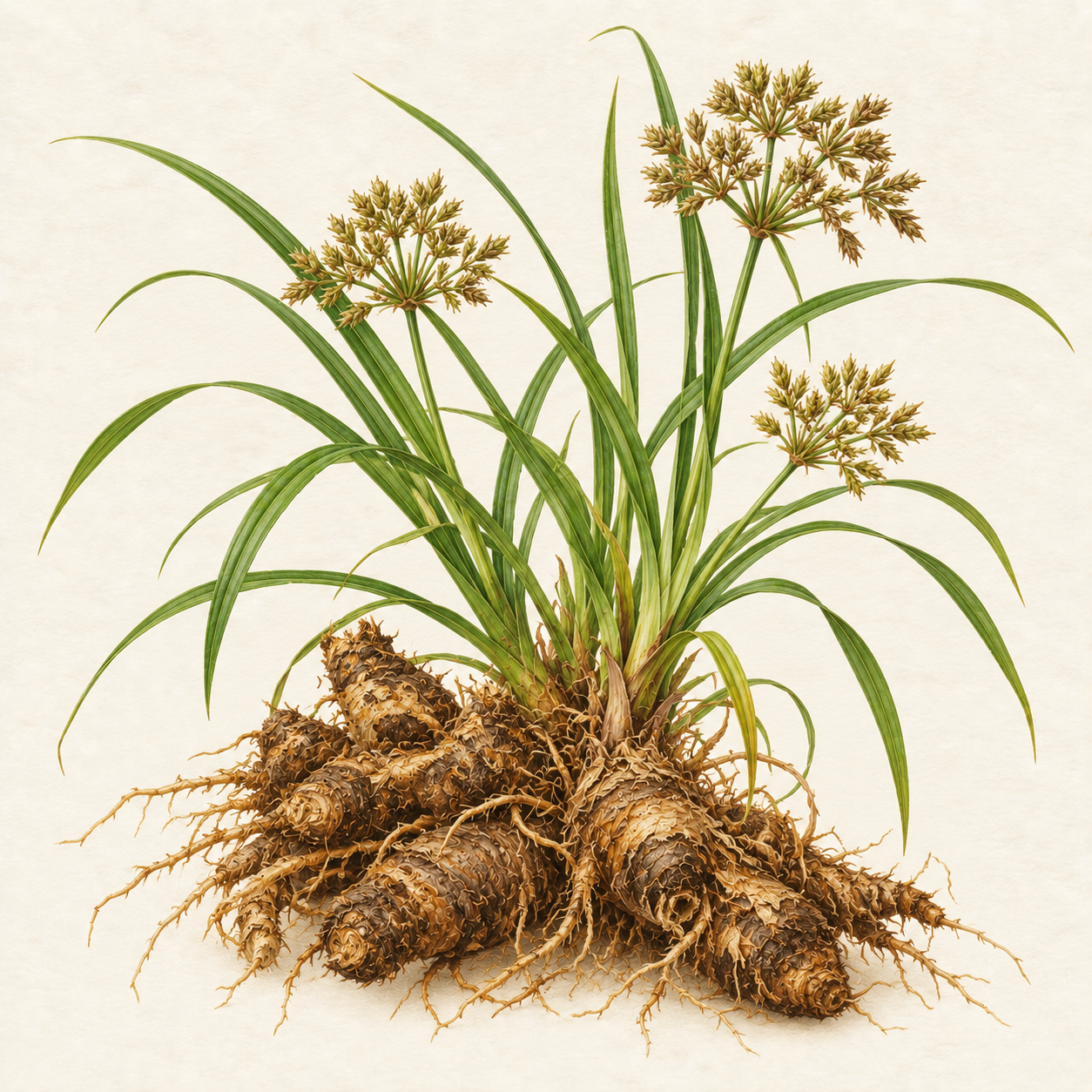
Guaiacwood
A dense aromatic wood material with smoky, rosy, tea-like and balsamic facets, softer and sweeter than many dry cedar-style woods.
19 referenced entries →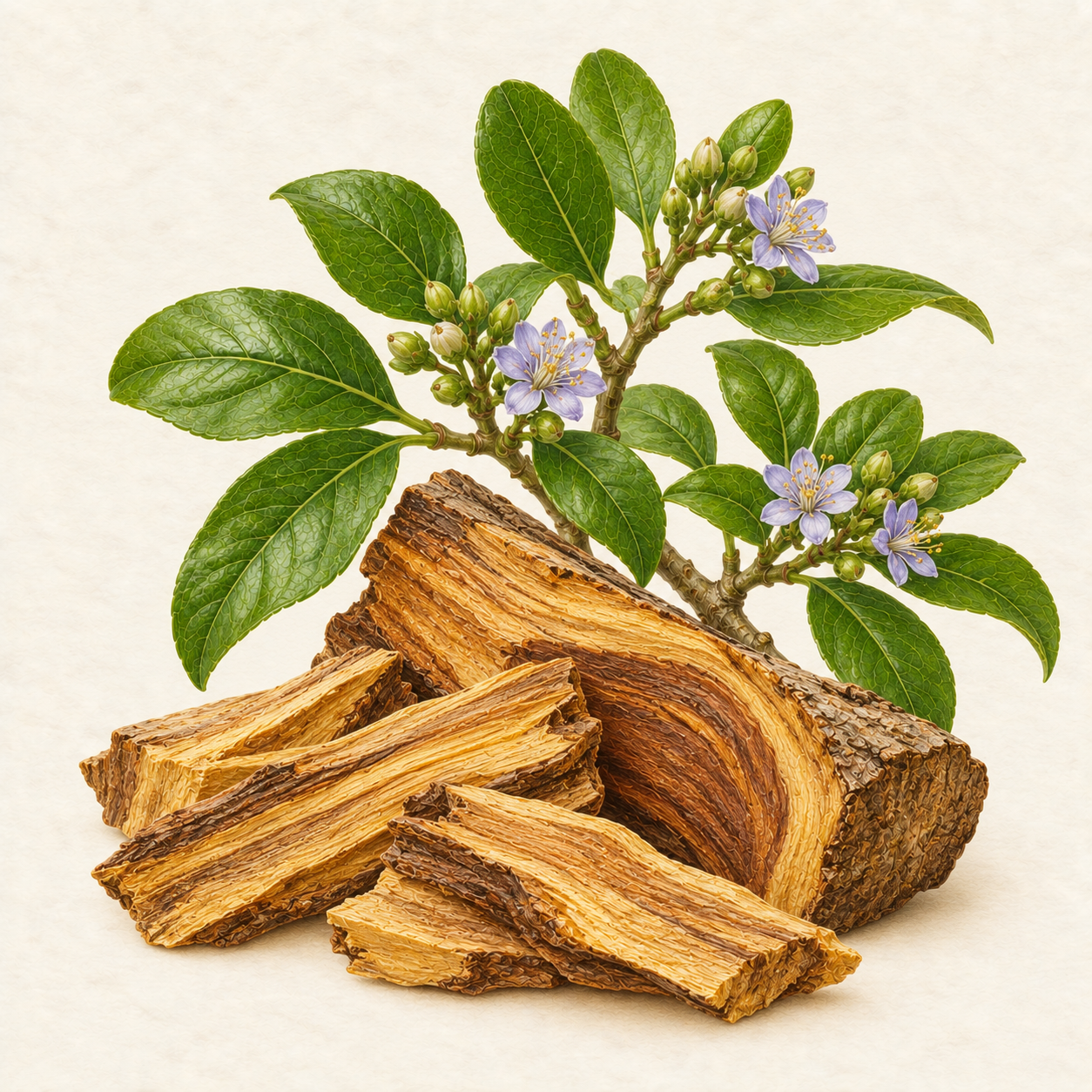
Liquorice
A sweet, earthy-rooty material with dark herbal, woody and anise-like facets, distinct botanically from anise even though the two are closely associated in flavour and fragrance.
3 referenced entries →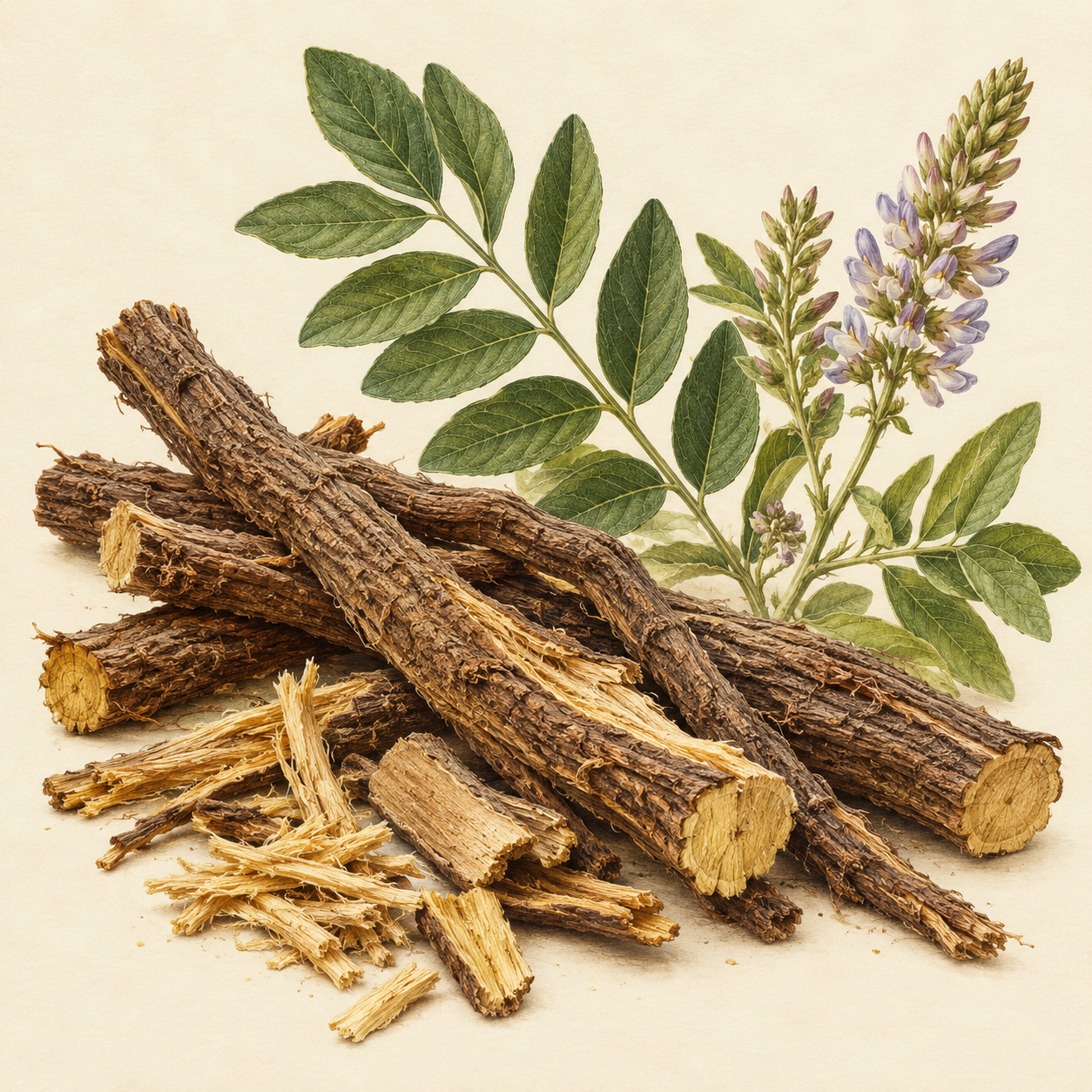
Moss
A green, damp-woodland and earthy mossy impression; specific sources may say moss or Iceland moss, neither of which is automatically oakmoss.
7 referenced entries →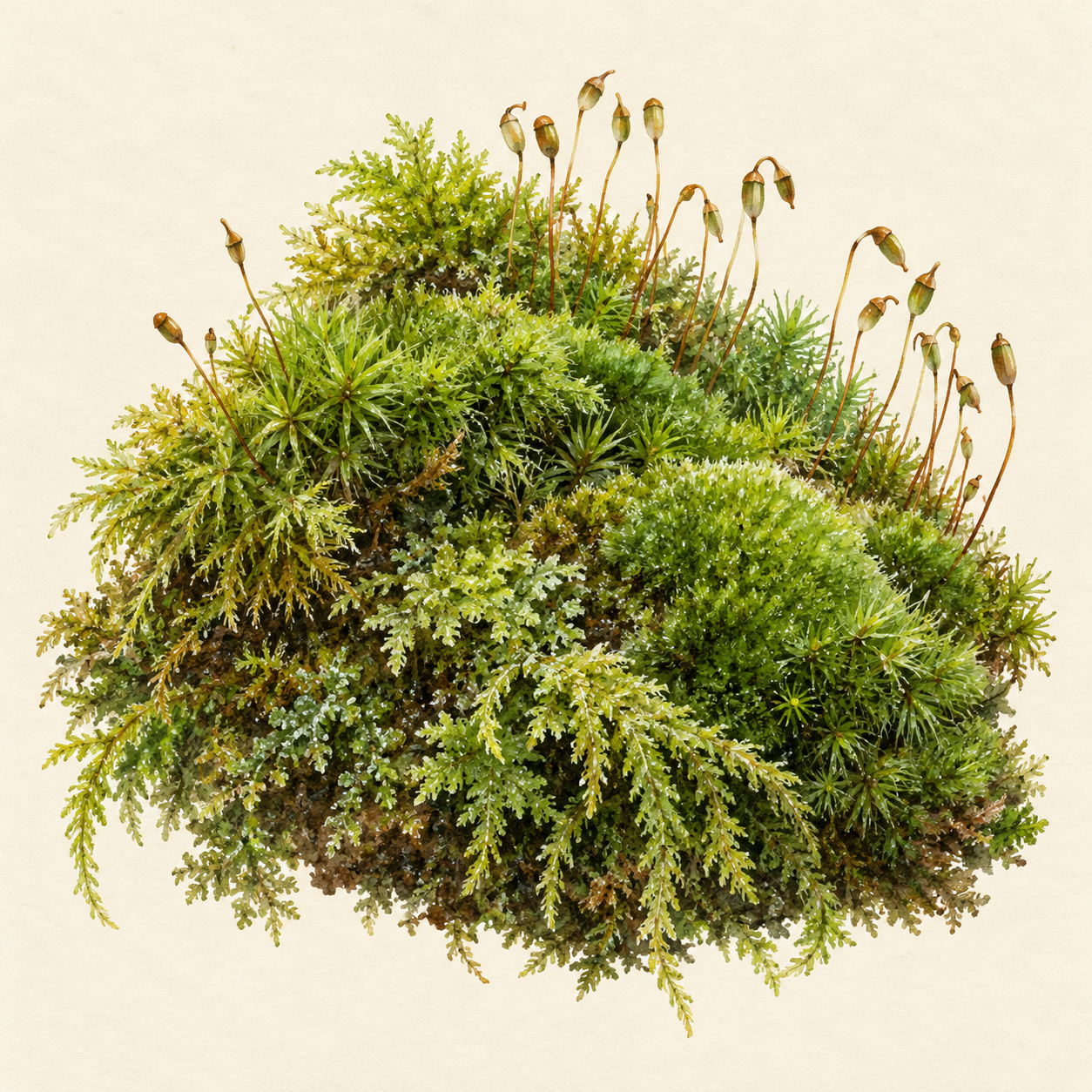
Oak
A dry, sturdy timber-like woody note with gently tannic, earthy and warm facets, distinct from oakmoss, which is a lichen rather than oak wood.
1 referenced entry →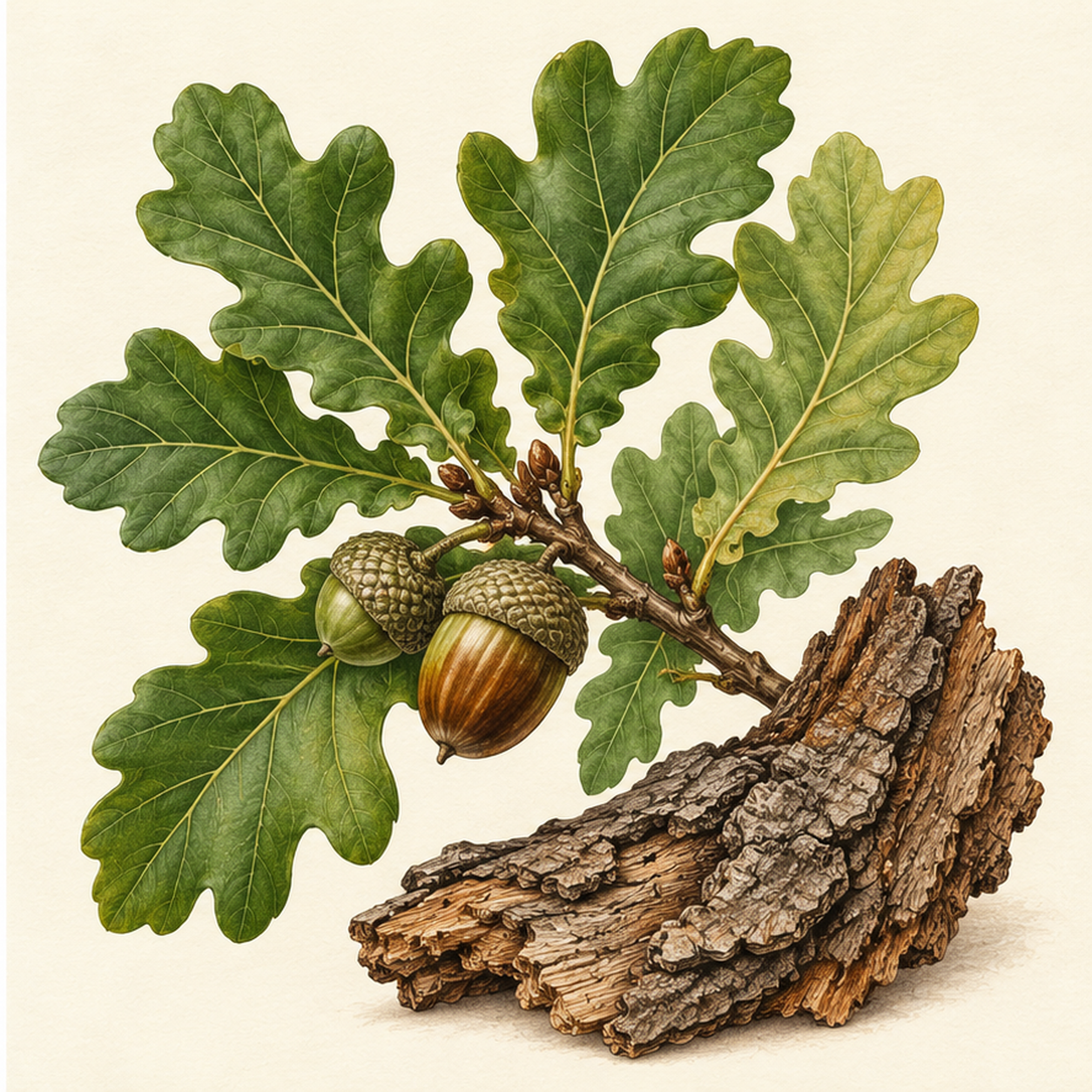
Oakmoss
A lichen extract historically central to chypre and mossy perfumery, combining damp forest, mineral, woody and leathery facets.
21 referenced entries →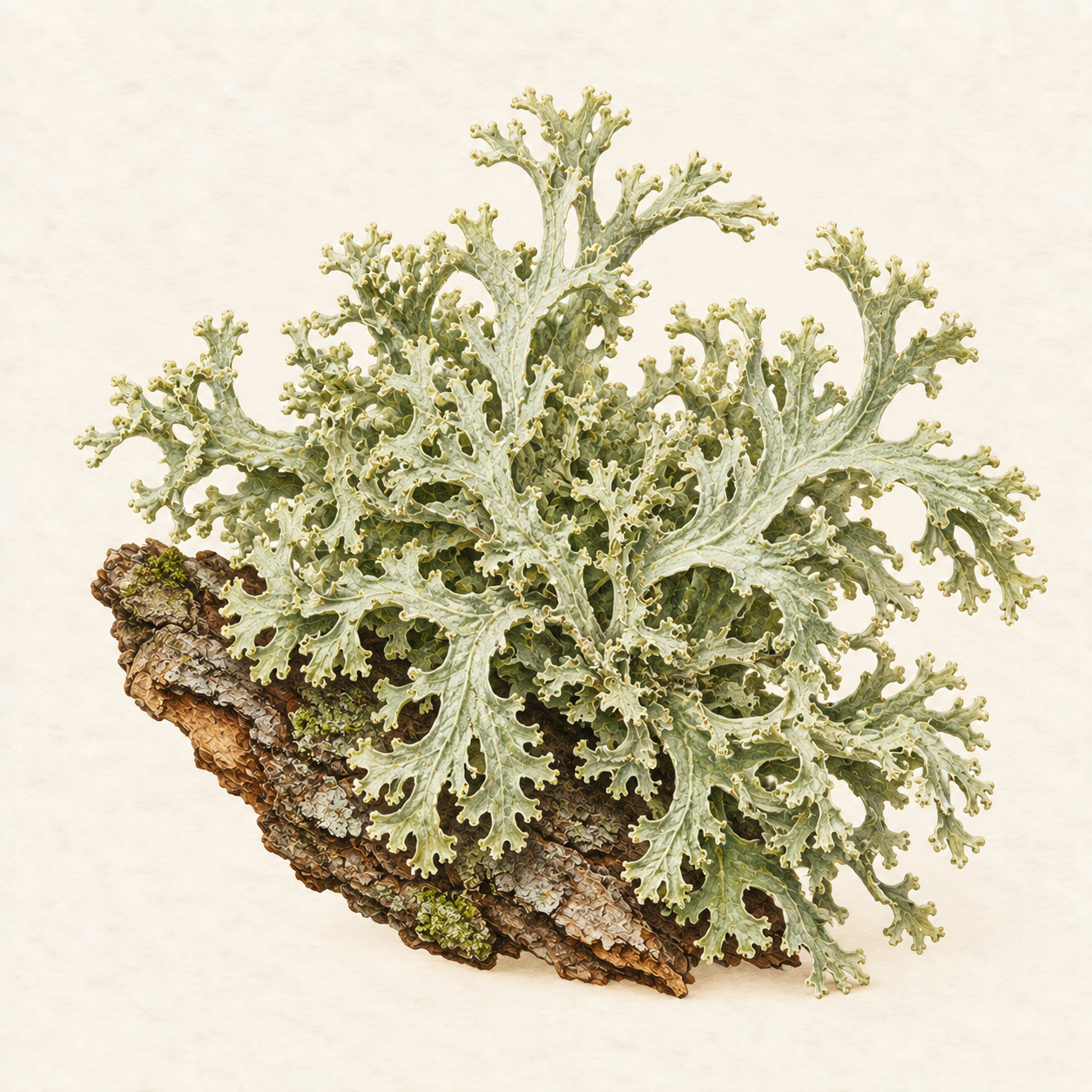
Orris
A luxury rhizome-derived material whose characteristic violet-like, powdery and woody aroma develops during prolonged drying and ageing rather than coming directly from the fresh iris flower.
12 referenced entries →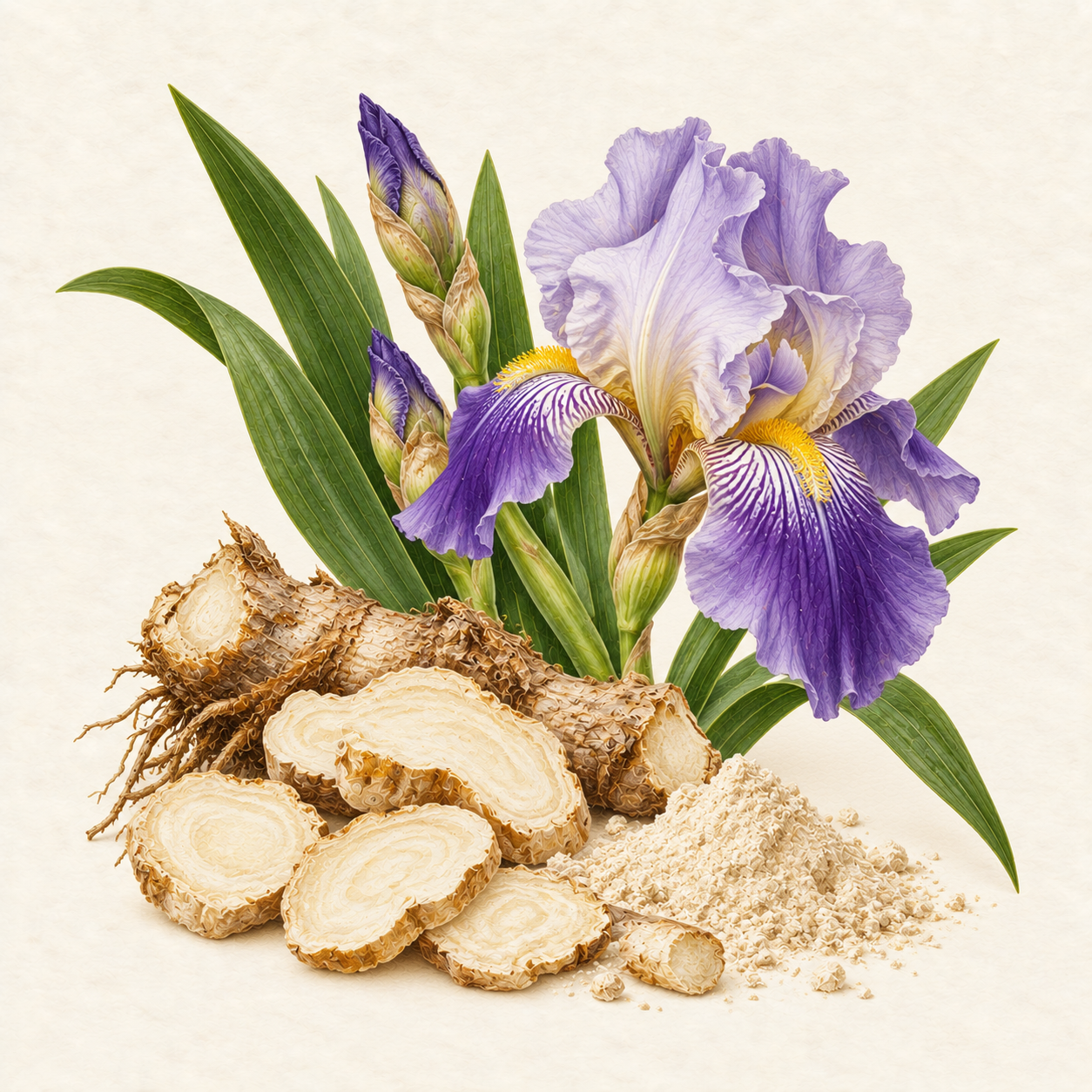
Rosewood
A soft, aromatic, often slightly sweet and rosy-woody note; rosewood and palisander can denote different botanical woods, so a fragrance label is not proof of a particular oil.
3 referenced entries →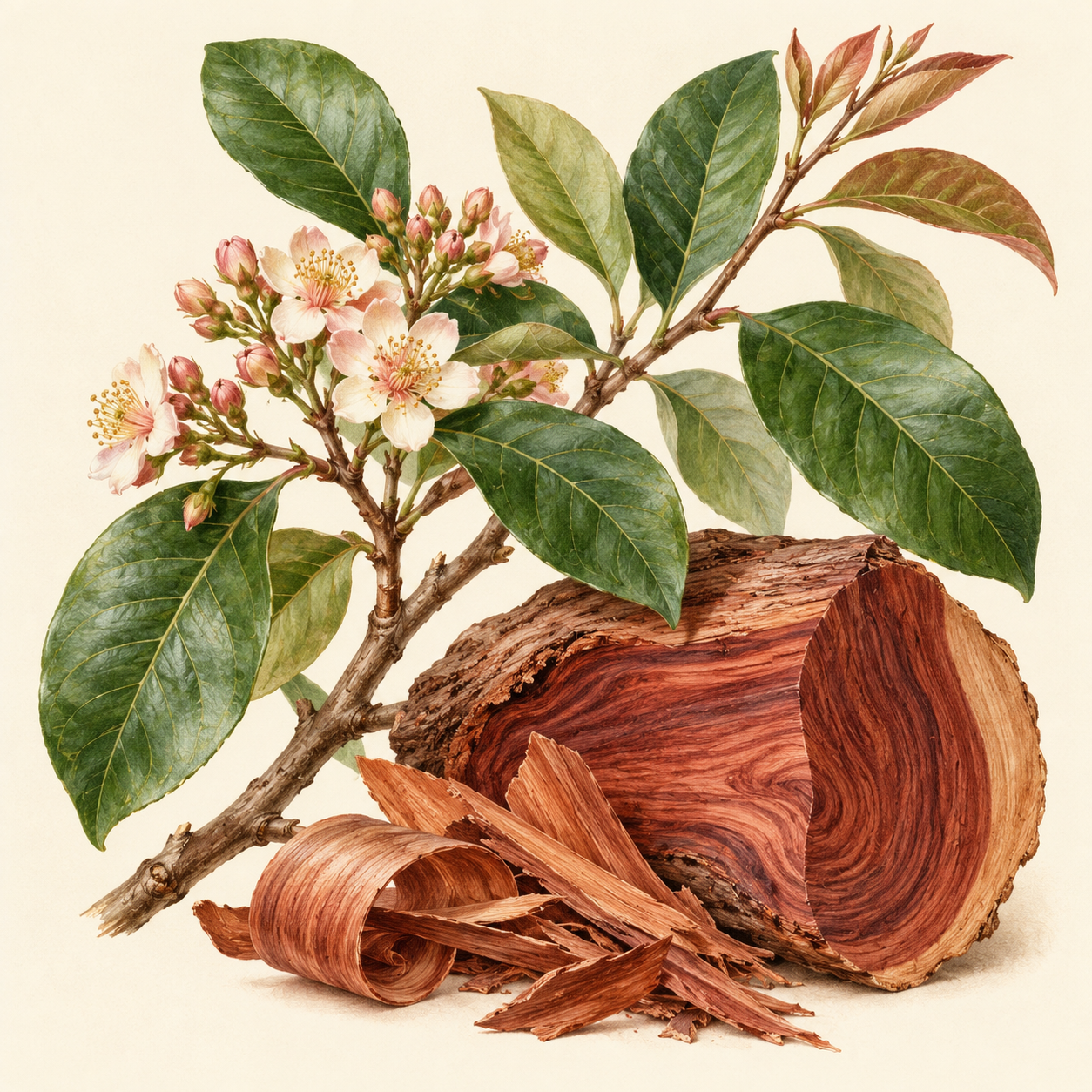
Sandalwood
A fragrant heartwood material prized for its soft, persistent woody aroma and its role as both a subject and a supporting base in incense and perfume.
88 referenced entries →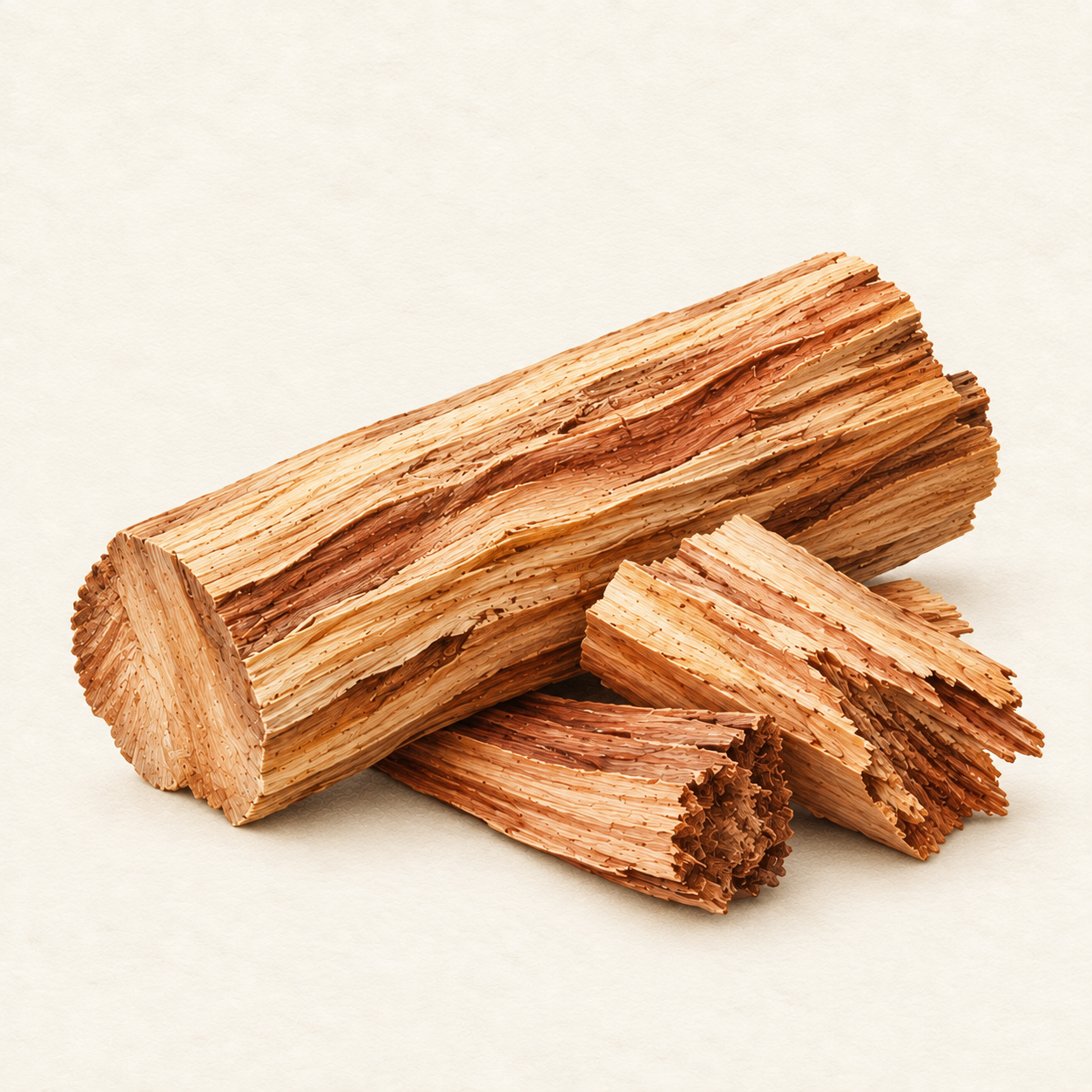
Vetiver
A root-derived aromatic material known for earthy, dry, woody, smoky and sometimes grapefruit-like facets, with major variation by origin and distillation.
73 referenced entries →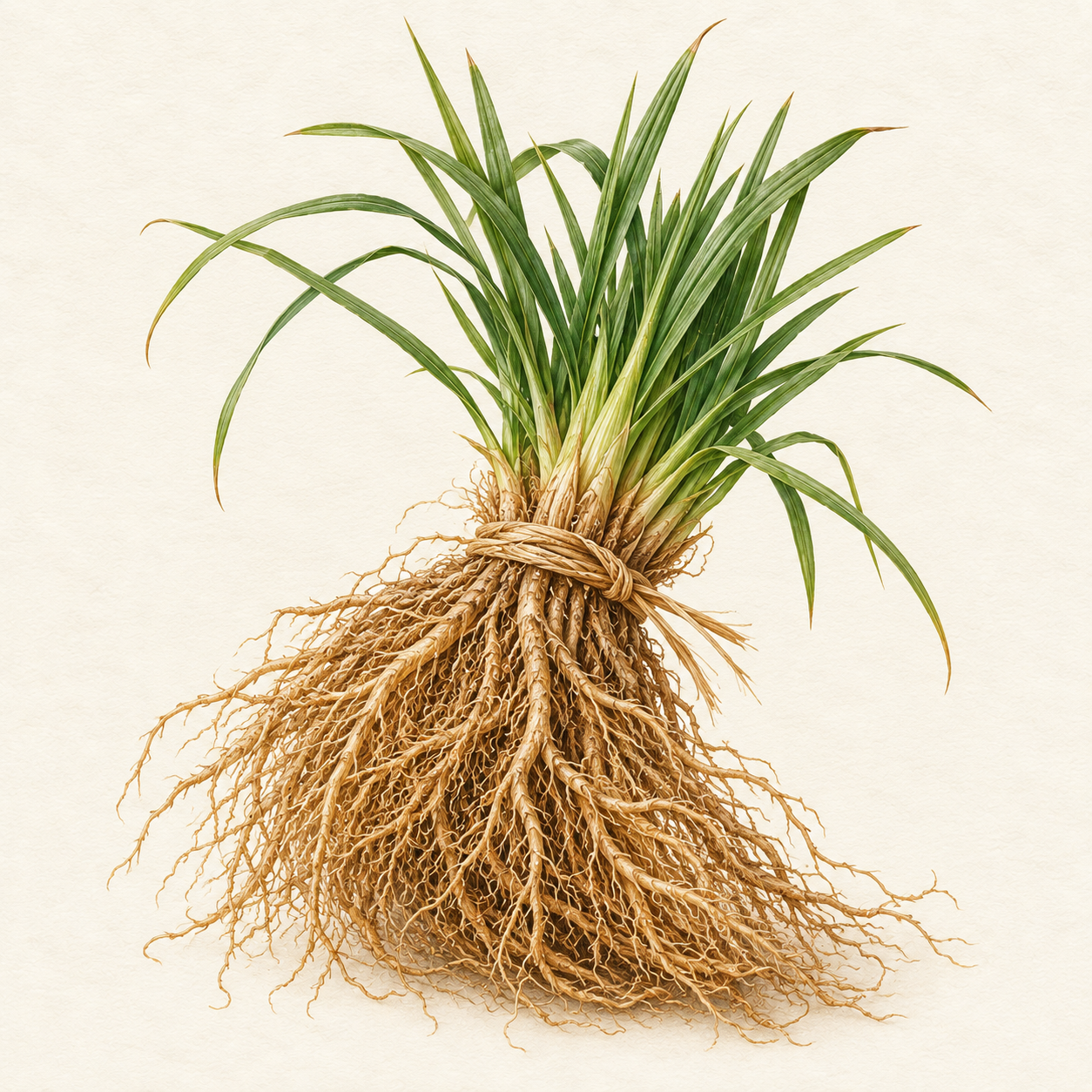
BROWSE FAMILY
Resins & balsams
Agarwood
Resin-rich fragrant wood formed in stressed or wounded Aquilaria trees, with a scent that can vary dramatically by species, provenance, resin development and presentation.
68 referenced entries →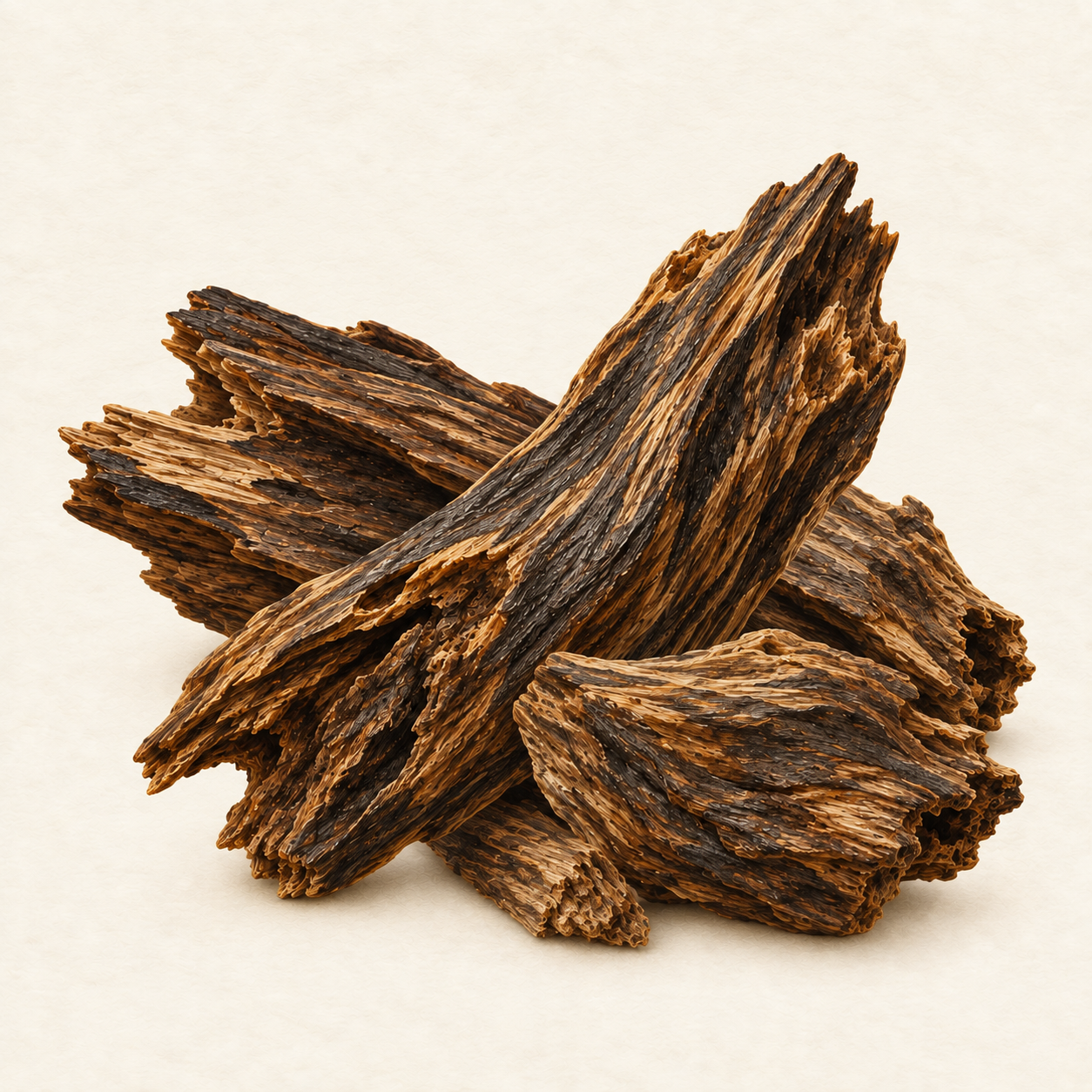
Benzoin
A sweet balsamic resin from Styrax trees, widely used in perfumery and incense for vanilla-like warmth, resinous sweetness and fixative character.
13 referenced entries →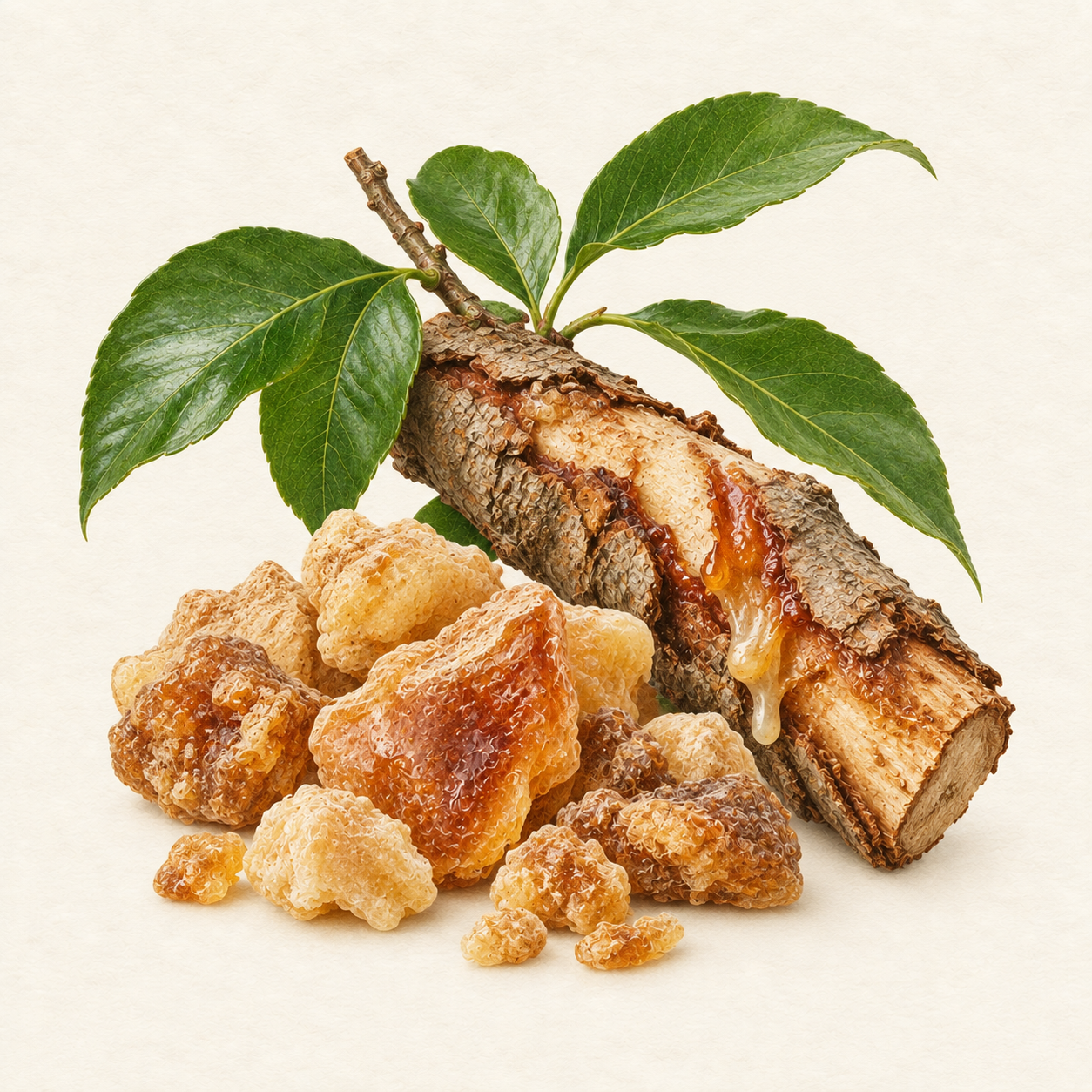
Cistus
A dry, resinous Mediterranean shrub note with leathery, ambered and herbal facets; kept distinct from Labdanum when a source names cistus itself.
7 referenced entries →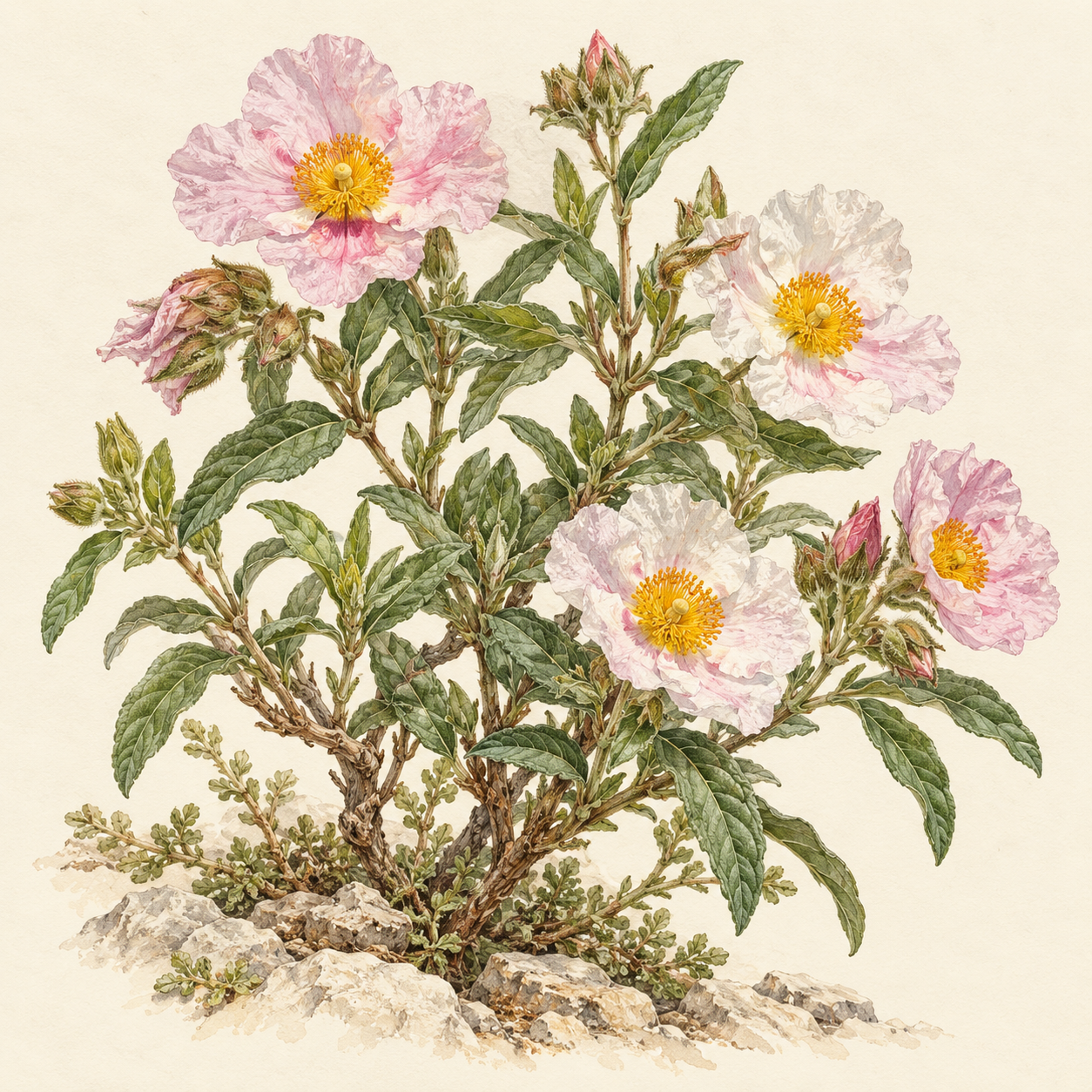
Copaiba Wood
A soft woody-balsamic material with resinous, warm, slightly sweet and gently spicy facets.
1 referenced entry →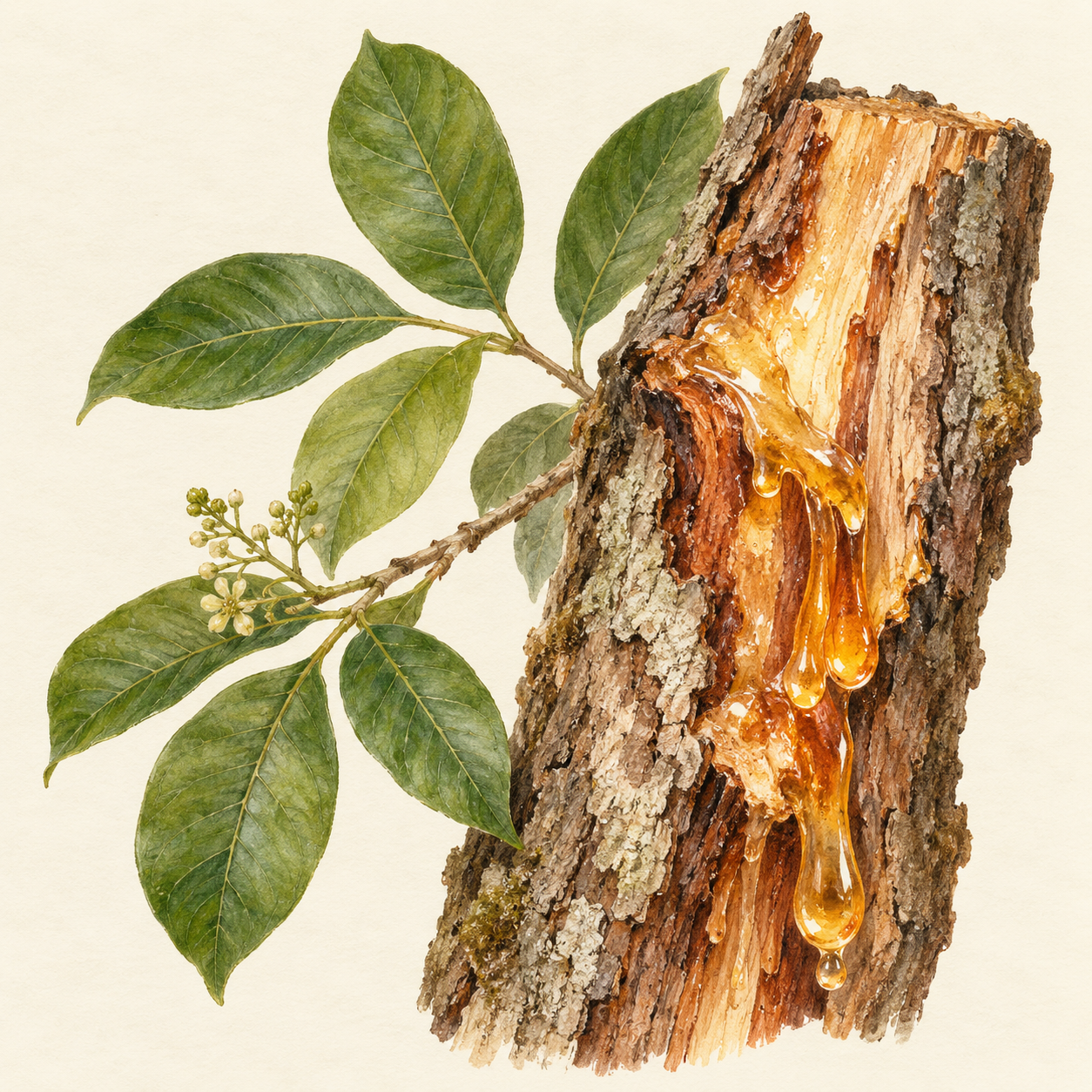
Elemi
A bright resin material combining lemon-pepper freshness with pine, balsam and soft incense facets, lighter and more sparkling than many darker resins.
14 referenced entries →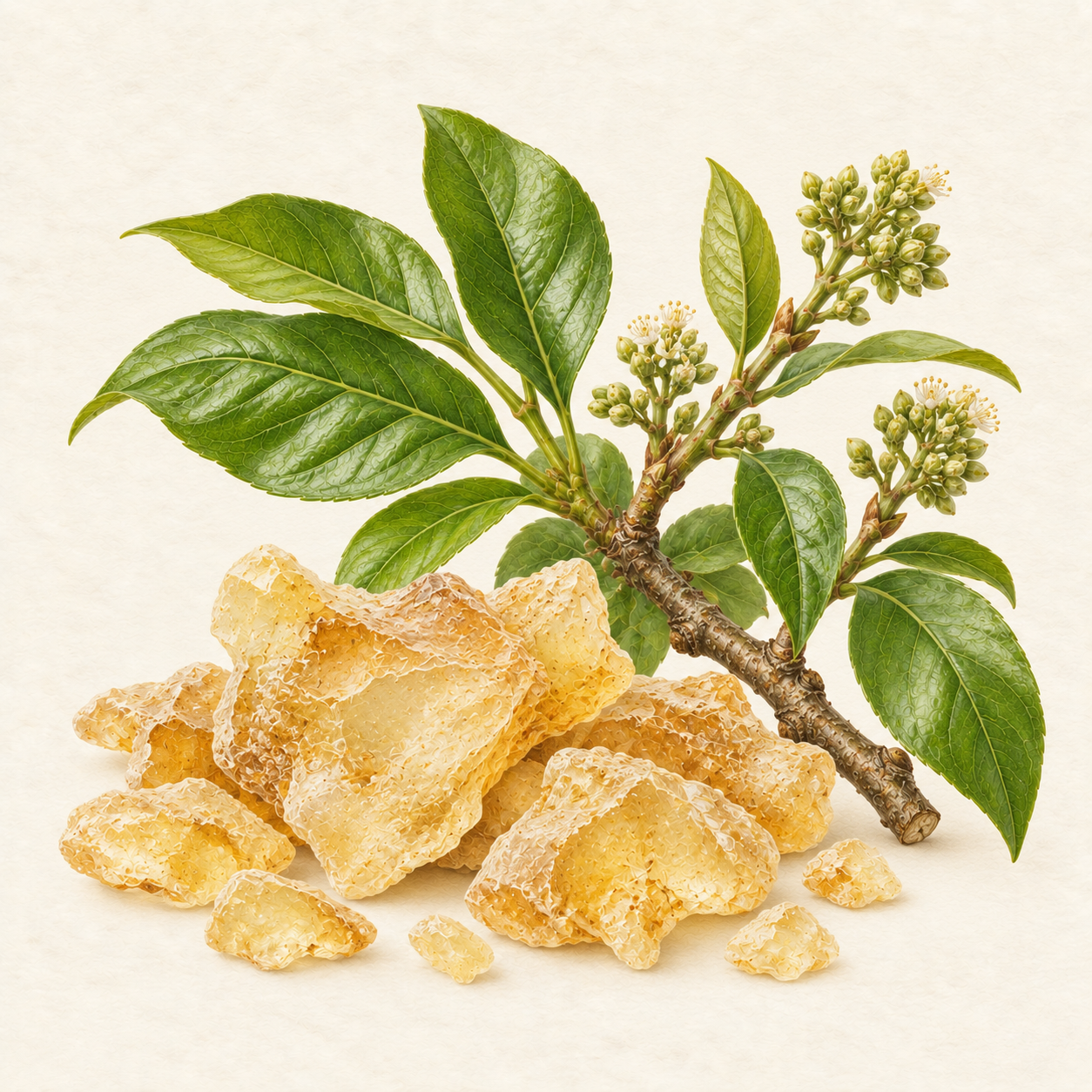
Frankincense
Aromatic oleo-gum-resin from Boswellia trees, valued for its bright, resinous smoke and its long history in incense and perfumery.
32 referenced entries →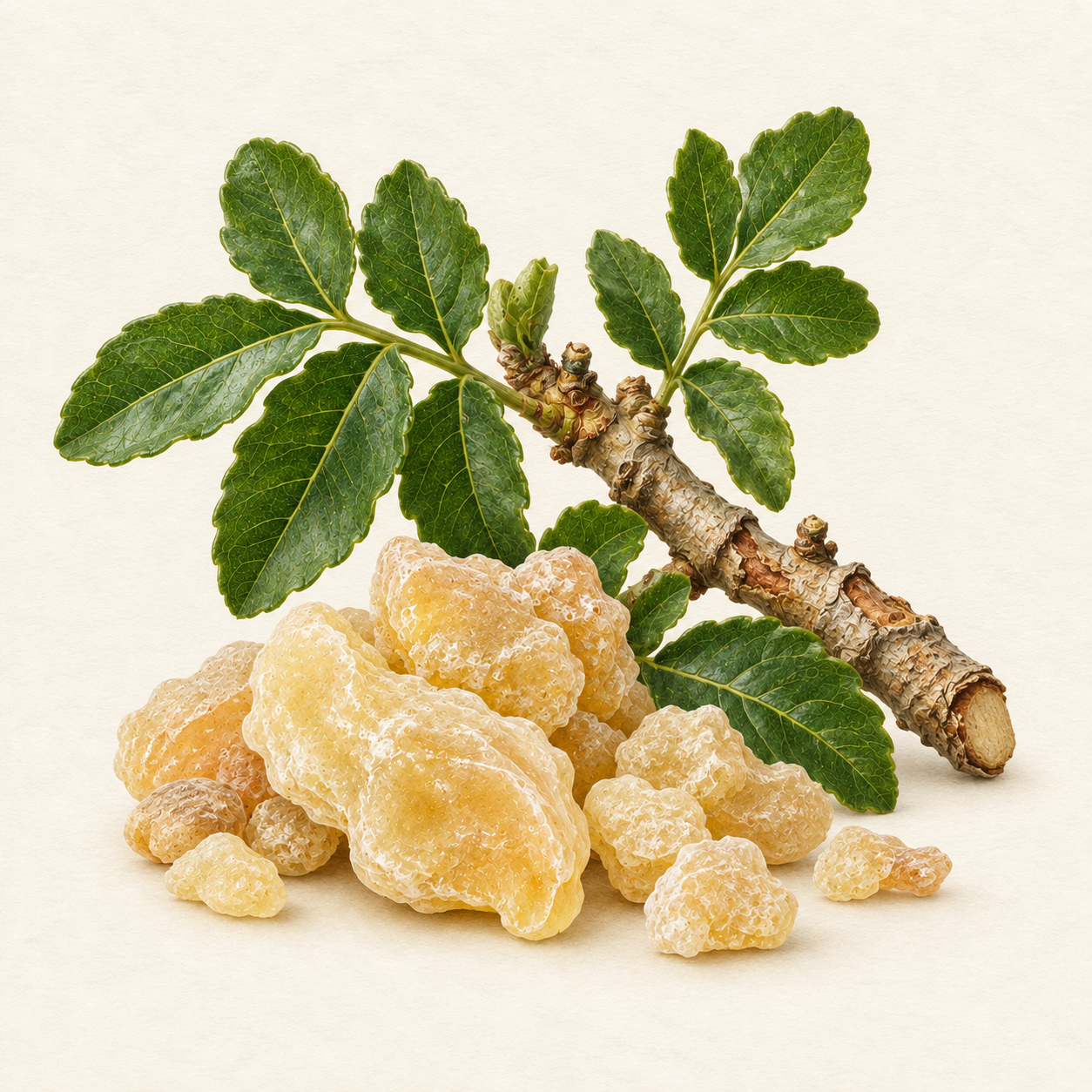
Galbanum
An intensely green resin material with bitter sap, cut stems, earth and balsamic depth, historically important in green and chypre perfumery.
10 referenced entries →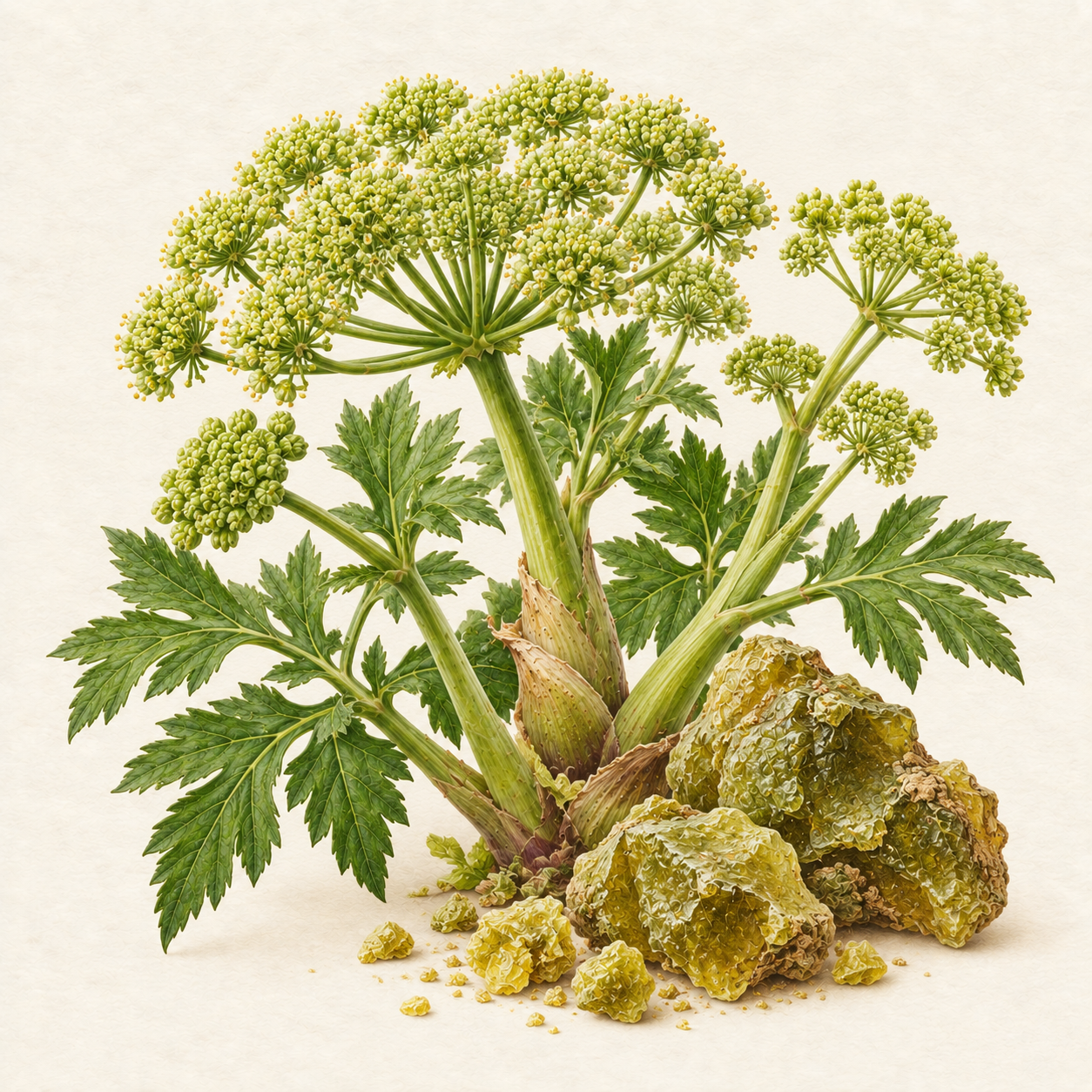
Labdanum
A sticky aromatic resin from rockrose, central to warm balsamic, leathery and amber-style perfumery and distinct from both frankincense and ambergris.
30 referenced entries →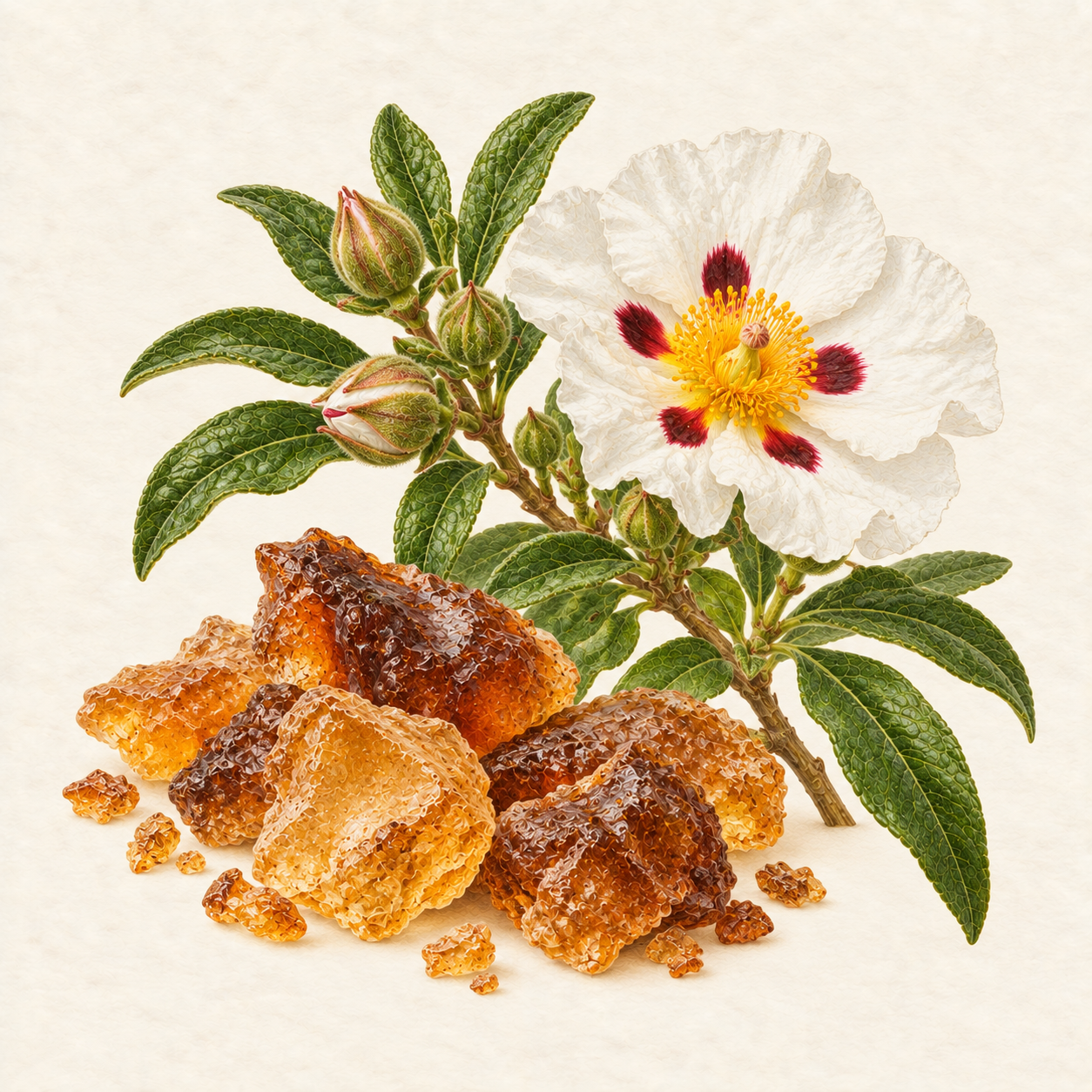
Myrrh
Aromatic gum-resin from Commiphora trees with a dry, warm, balsamic and slightly medicinal character, used historically in incense and perfumery.
14 referenced entries →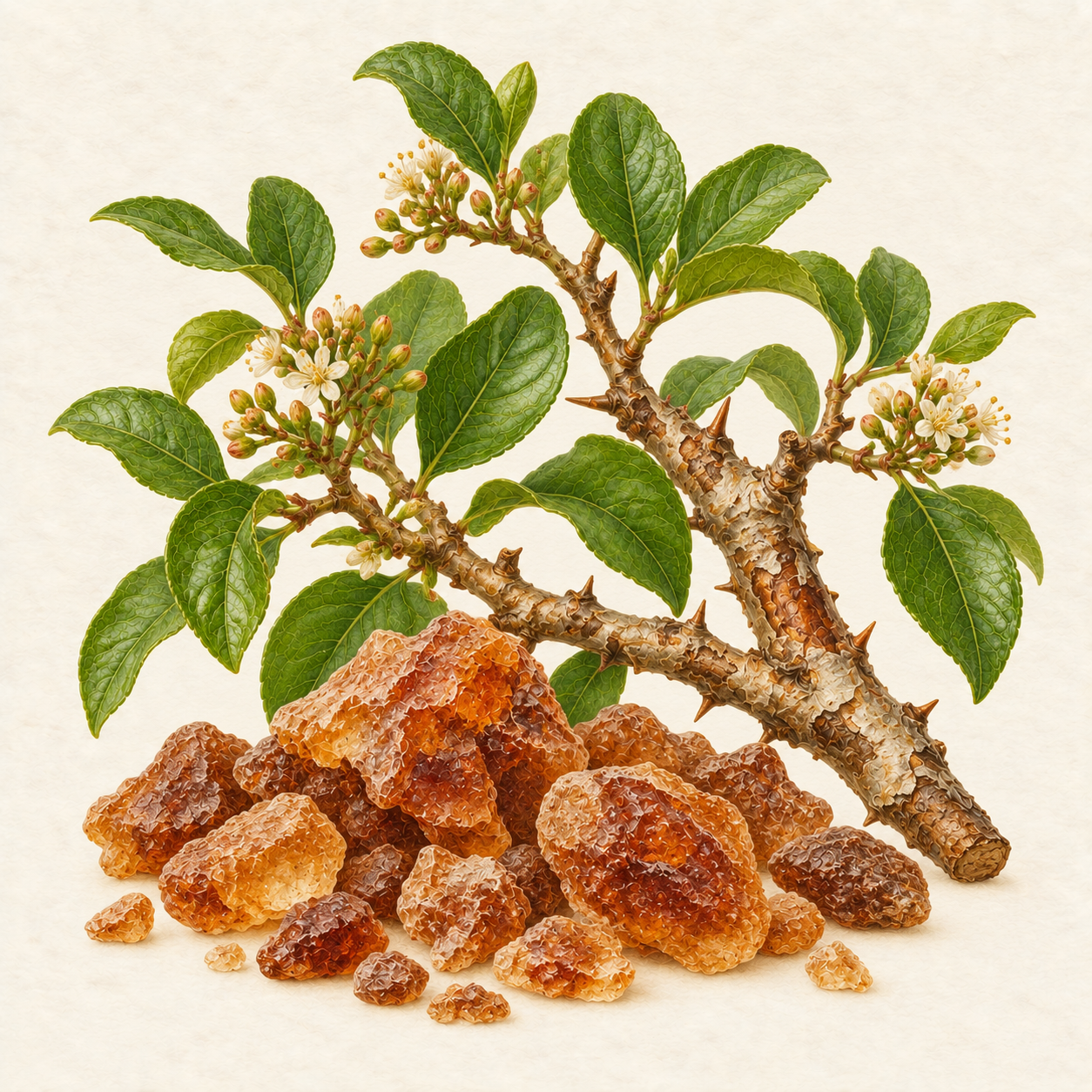
Opoponax
A sweet, warm myrrh-related resin with balsamic, smoky and slightly animalic depth, softer and sweeter than the drier profile associated with common myrrh.
4 referenced entries →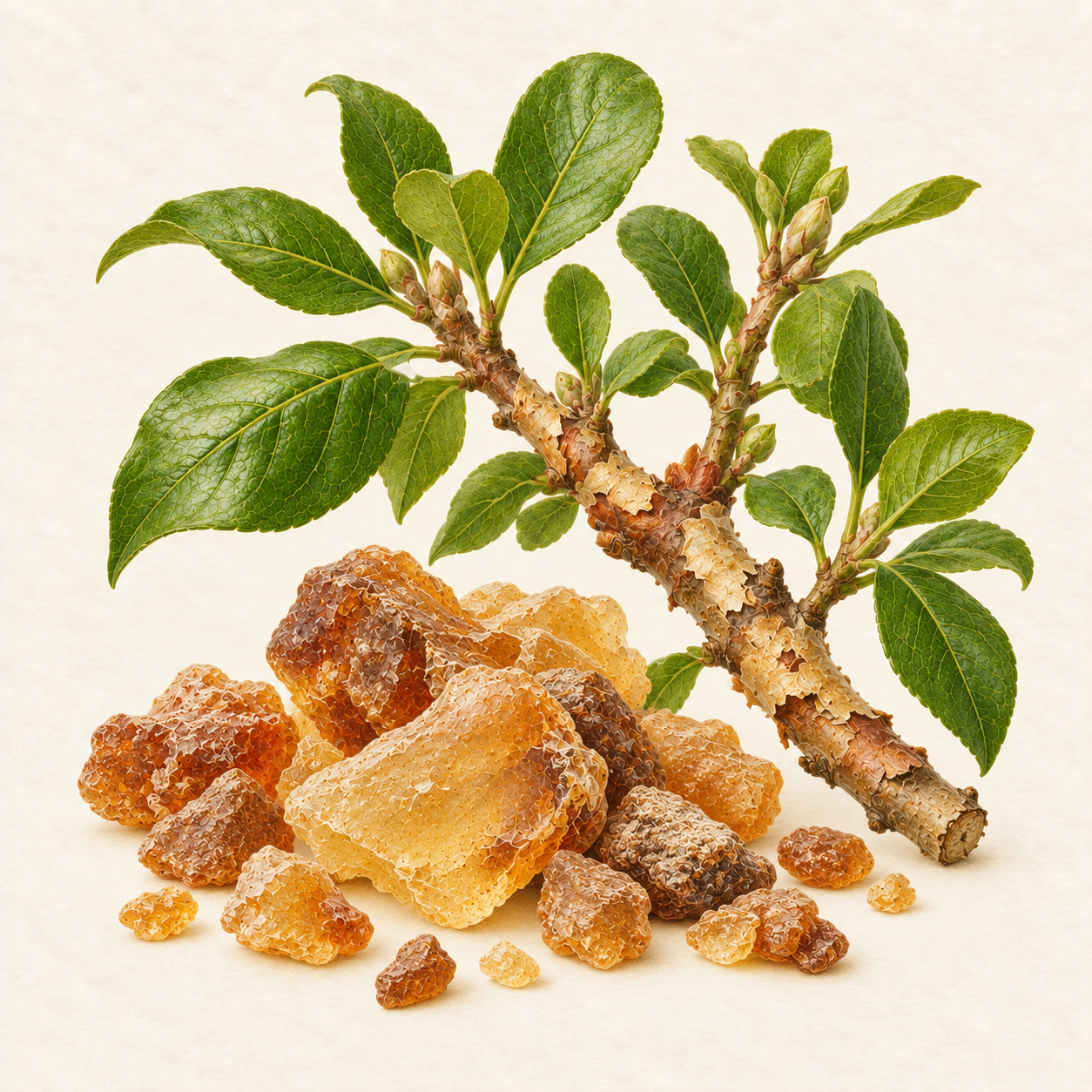
Styrax
A dark balsamic material with leathery, smoky, sweet and resinous facets, important in leather and amber structures but complicated by overlapping historical plant names.
3 referenced entries →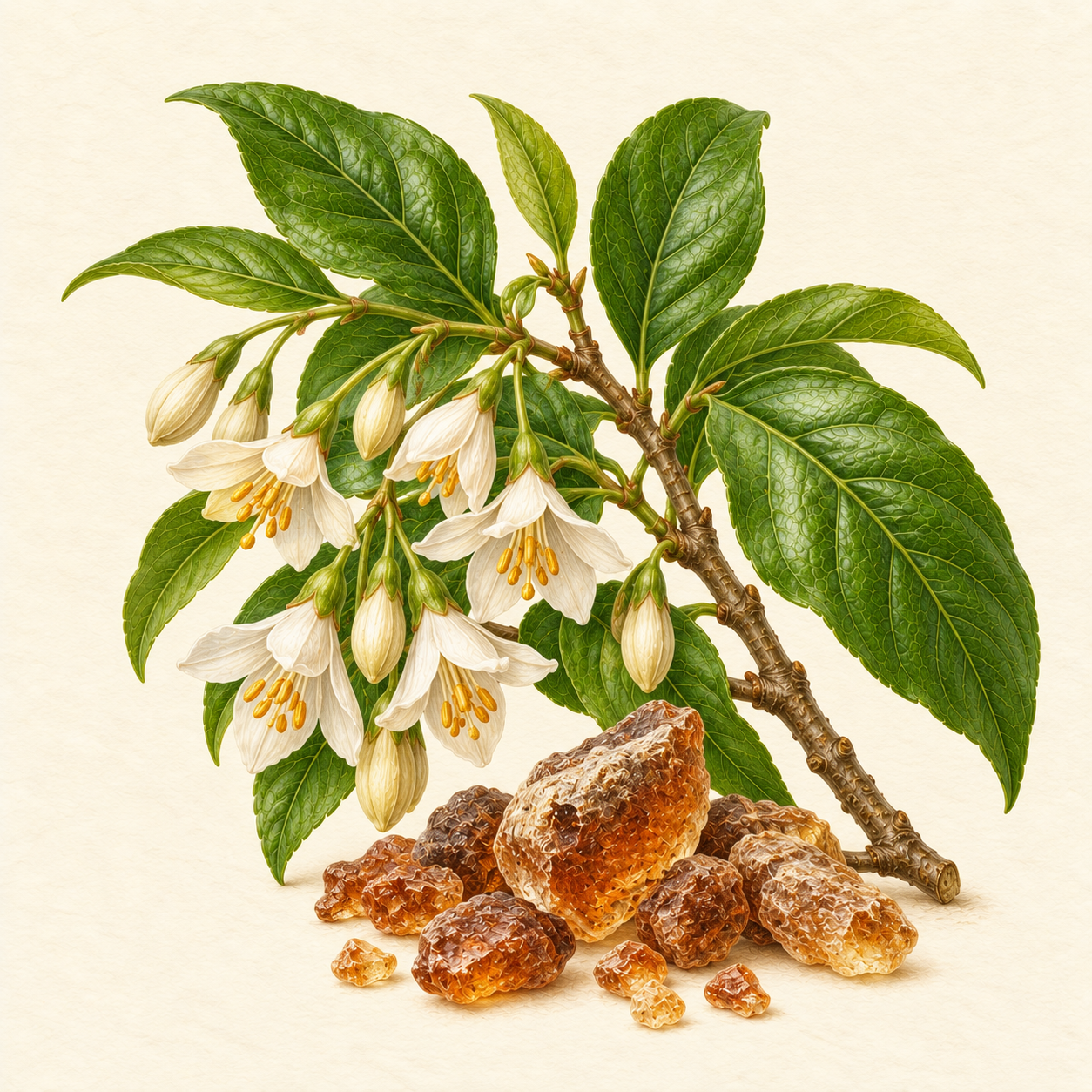
BROWSE FAMILY
Conifers
Cypress
A dry green conifer material with woody, resinous, smoky and slightly mineral facets, typically less sweet and balsamic than fir.
6 referenced entries →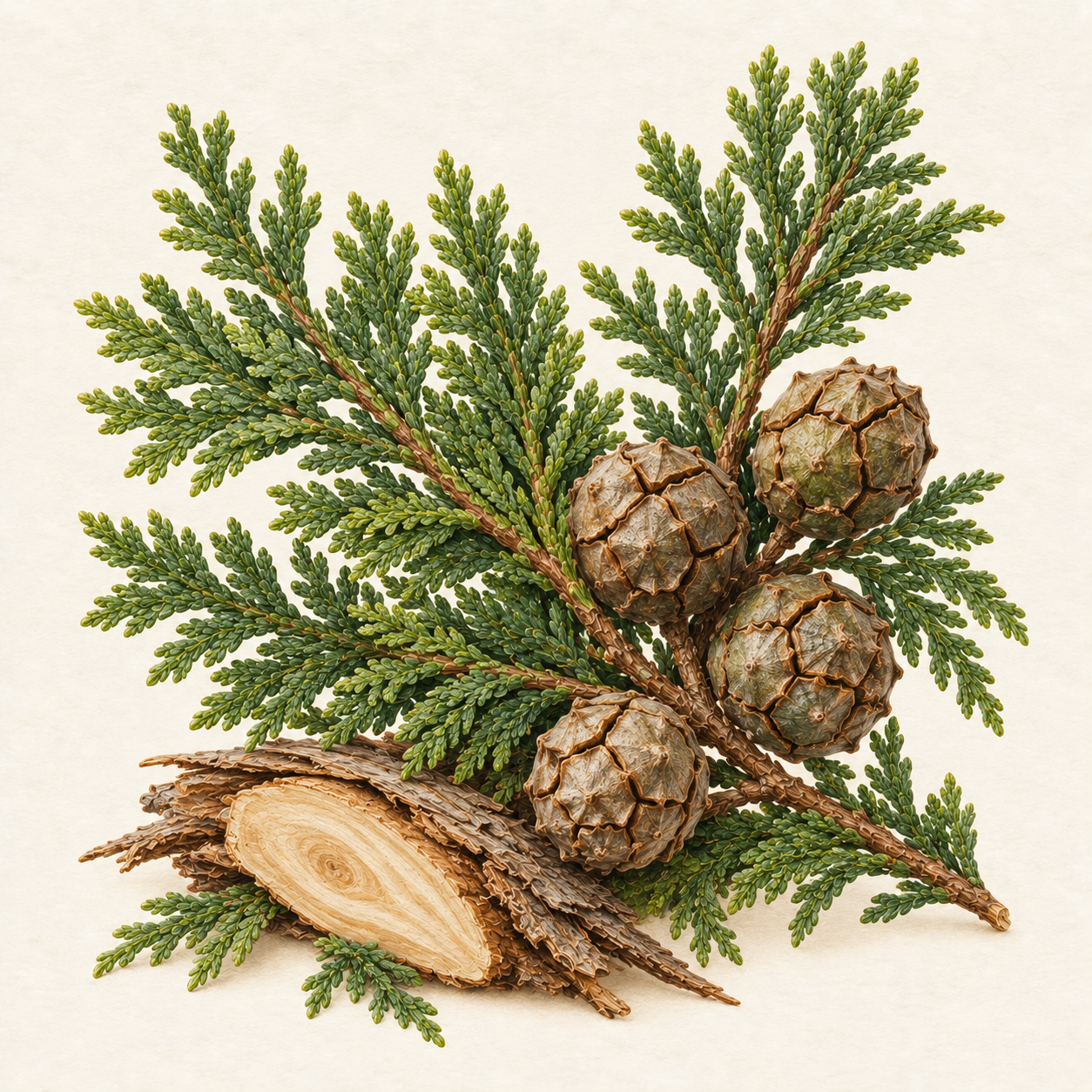
Fir / Balsam
A soft balsamic conifer reference combining fresh needles, sweet resin, forest greenery and warm woody depth; distinct from pine despite their obvious family resemblance.
1 referenced entry →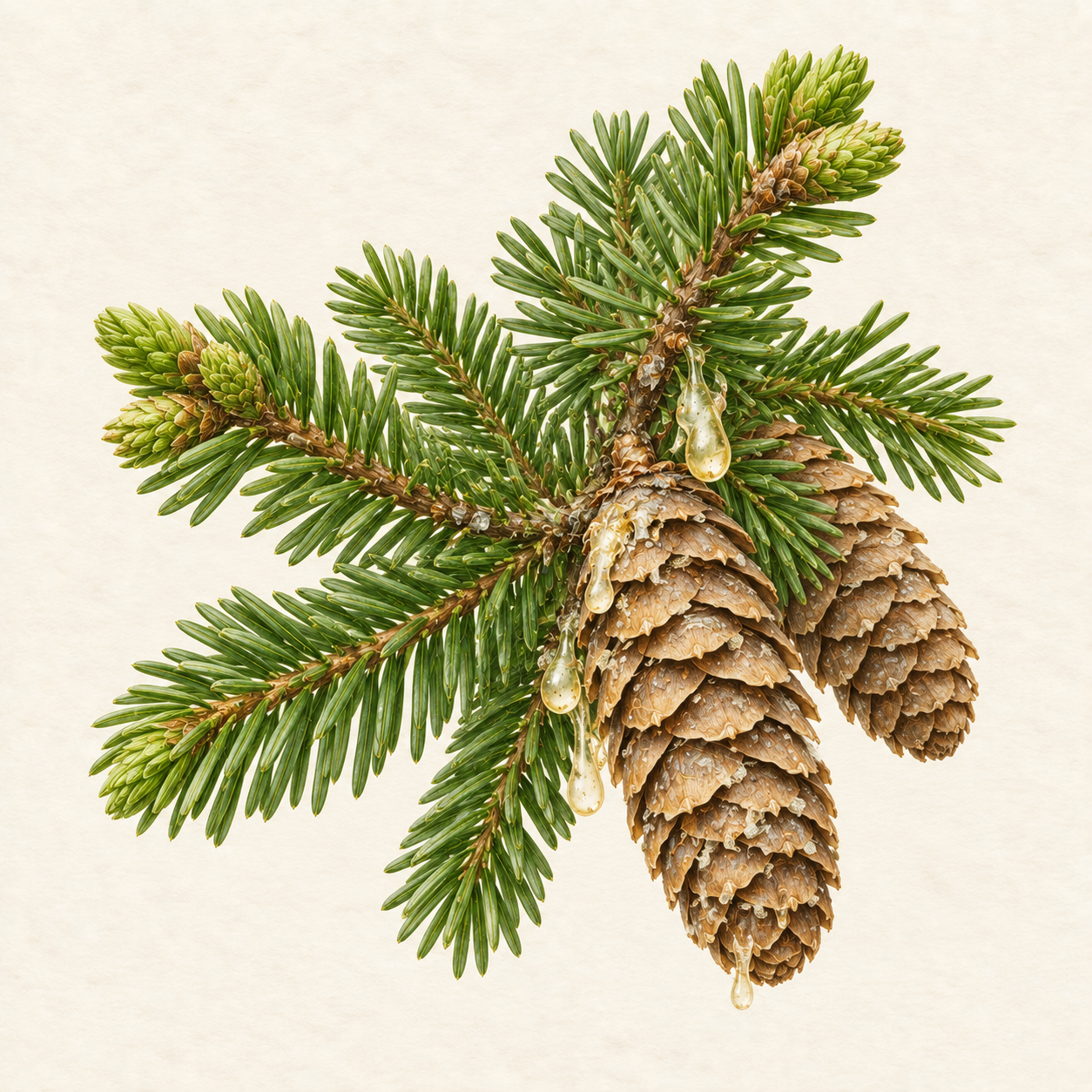
Juniper
A dry, sparkling conifer-spice material associated especially with juniper berries, combining piney freshness, pepper, citrus and resin.
11 referenced entries →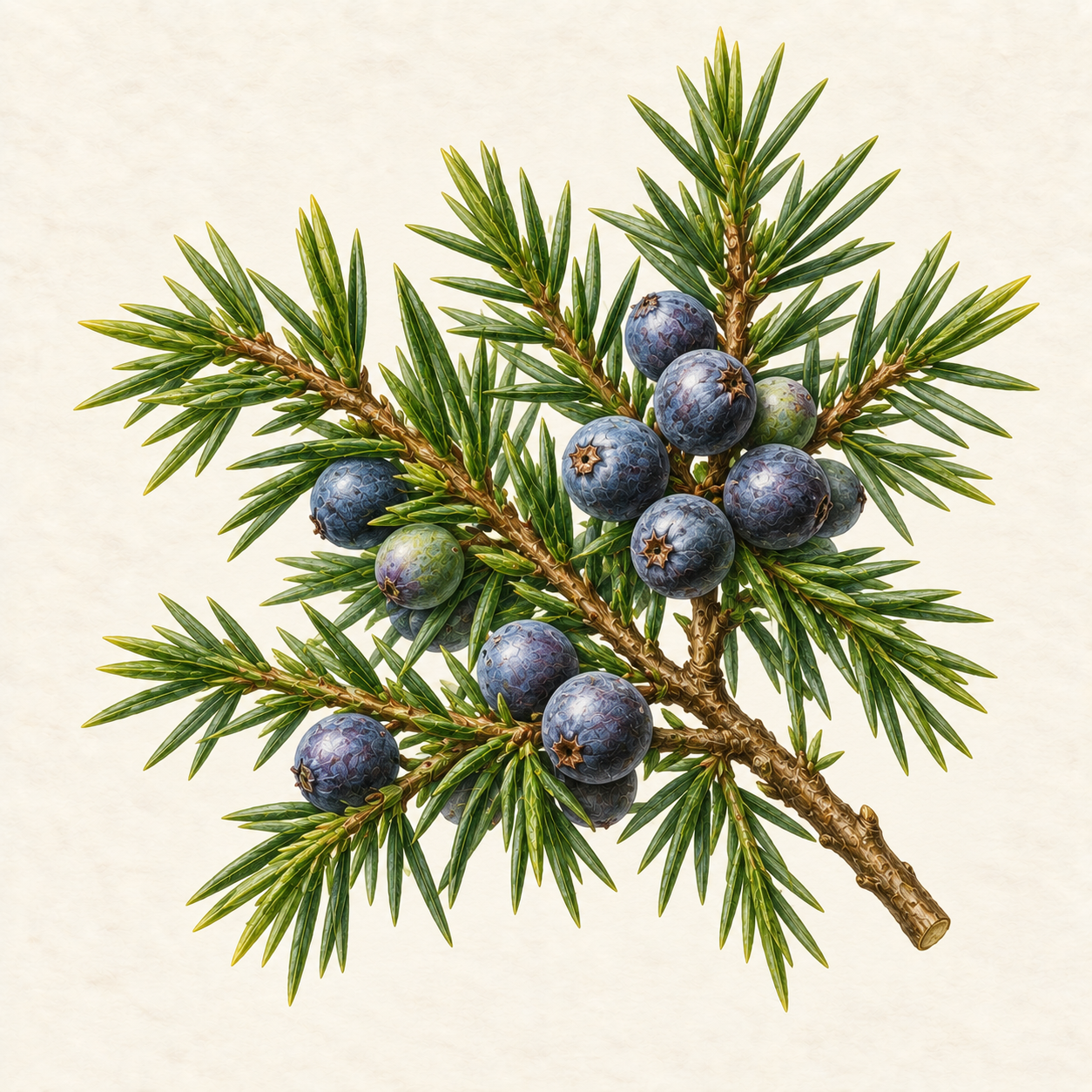
Pine
A coniferous material family spanning fresh needles, resin, sap, dry wood and turpentine-like facets, with substantial variation by species and plant part.
3 referenced entries →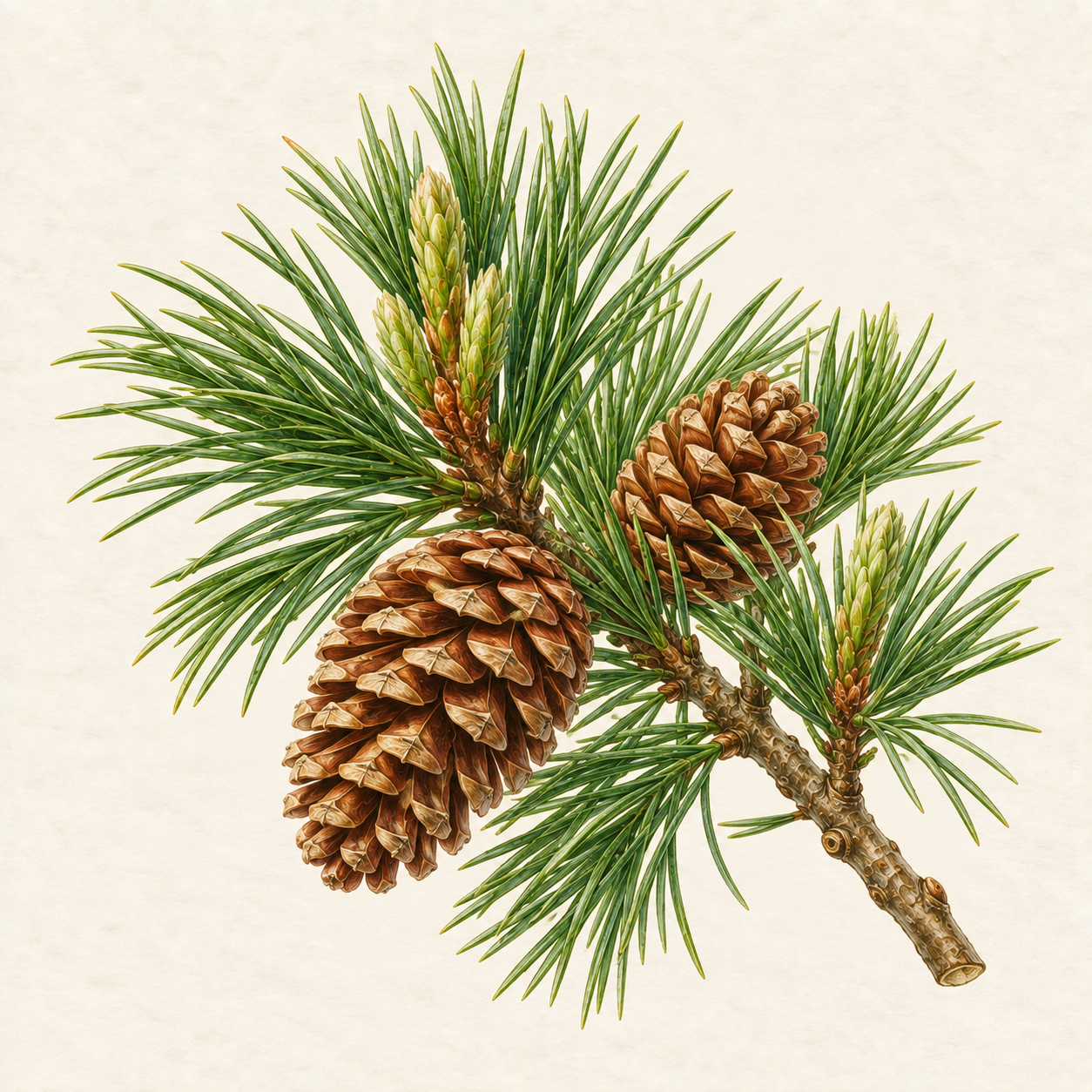
BROWSE FAMILY
Seeds, fruits & gourmand
Ambrette Seed
A plant-derived musk reference with soft animalic, pear-like, nutty, floral and wine-like facets, historically valued as a botanical alternative to animal musk.
8 referenced entries →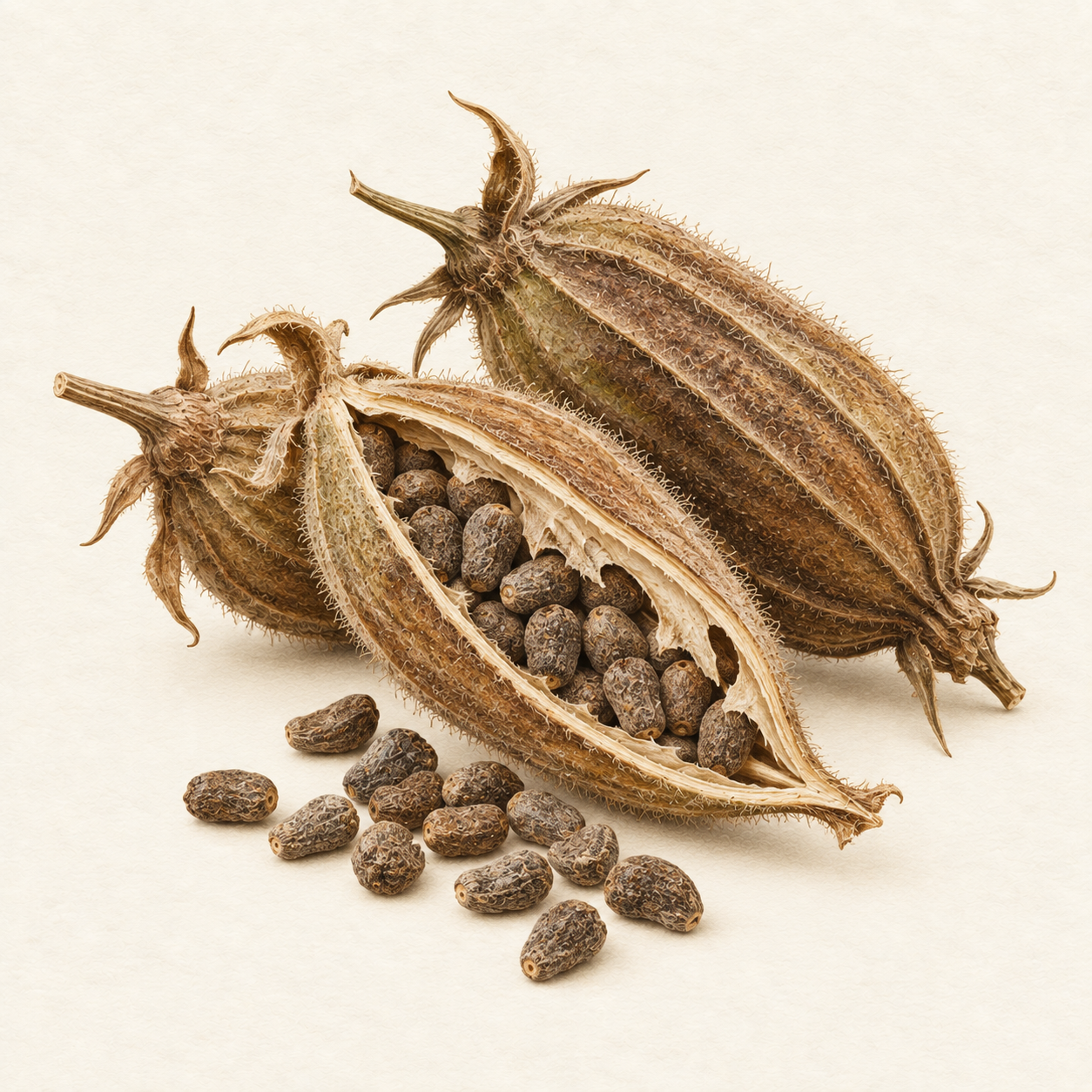
Apple
A crisp orchard-fruit note that can range from tart green apple to sweeter ripe-fruit effects. Generic apple wording stays separate from specifically named accords such as Granny Smith apple accord.
2 referenced entries →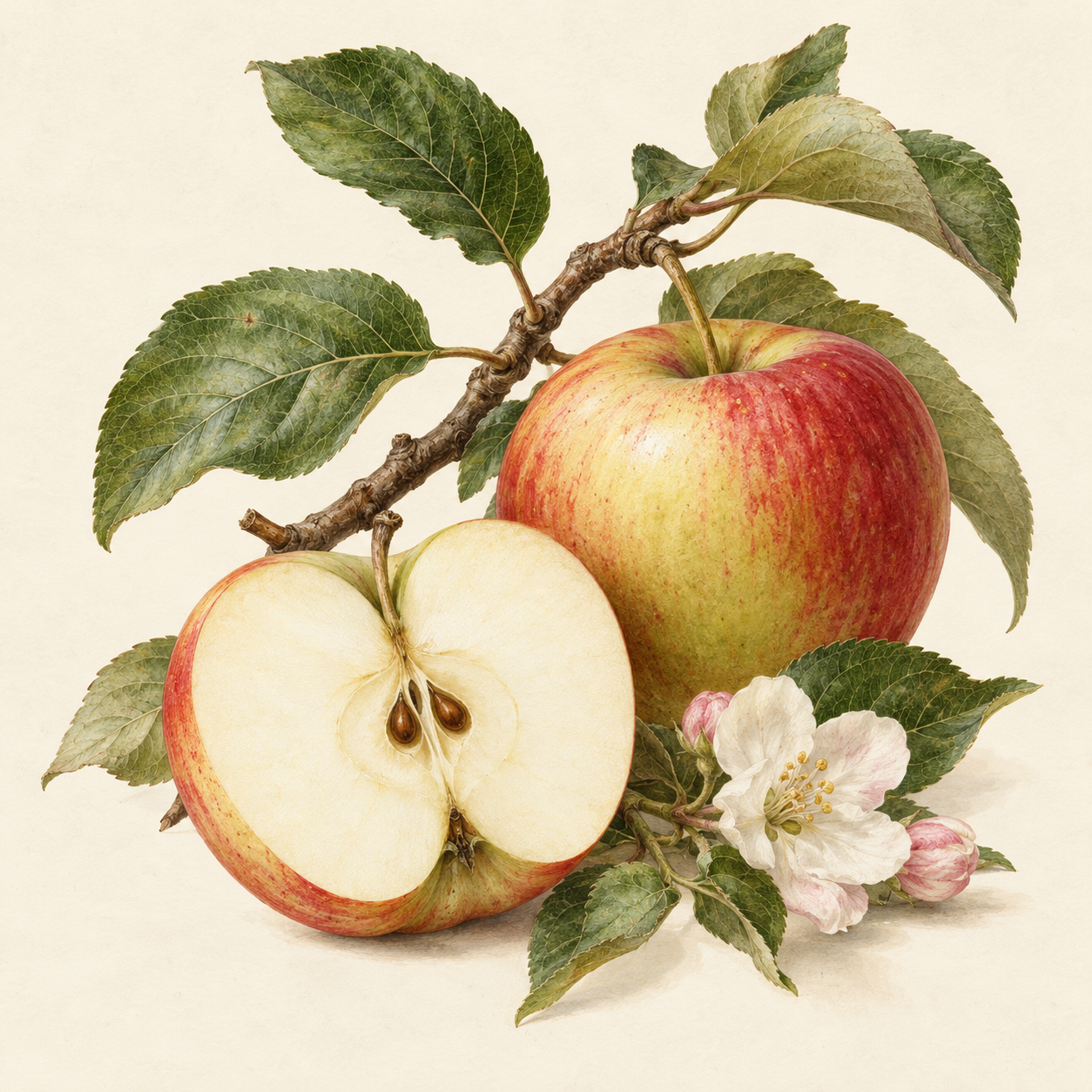
Blackcurrant
A dark tart berry note that can range from juicy fruit to green, sulfurous cassis effects. A generic blackcurrant note does not by itself establish use of blackcurrant bud absolute.
9 referenced entries →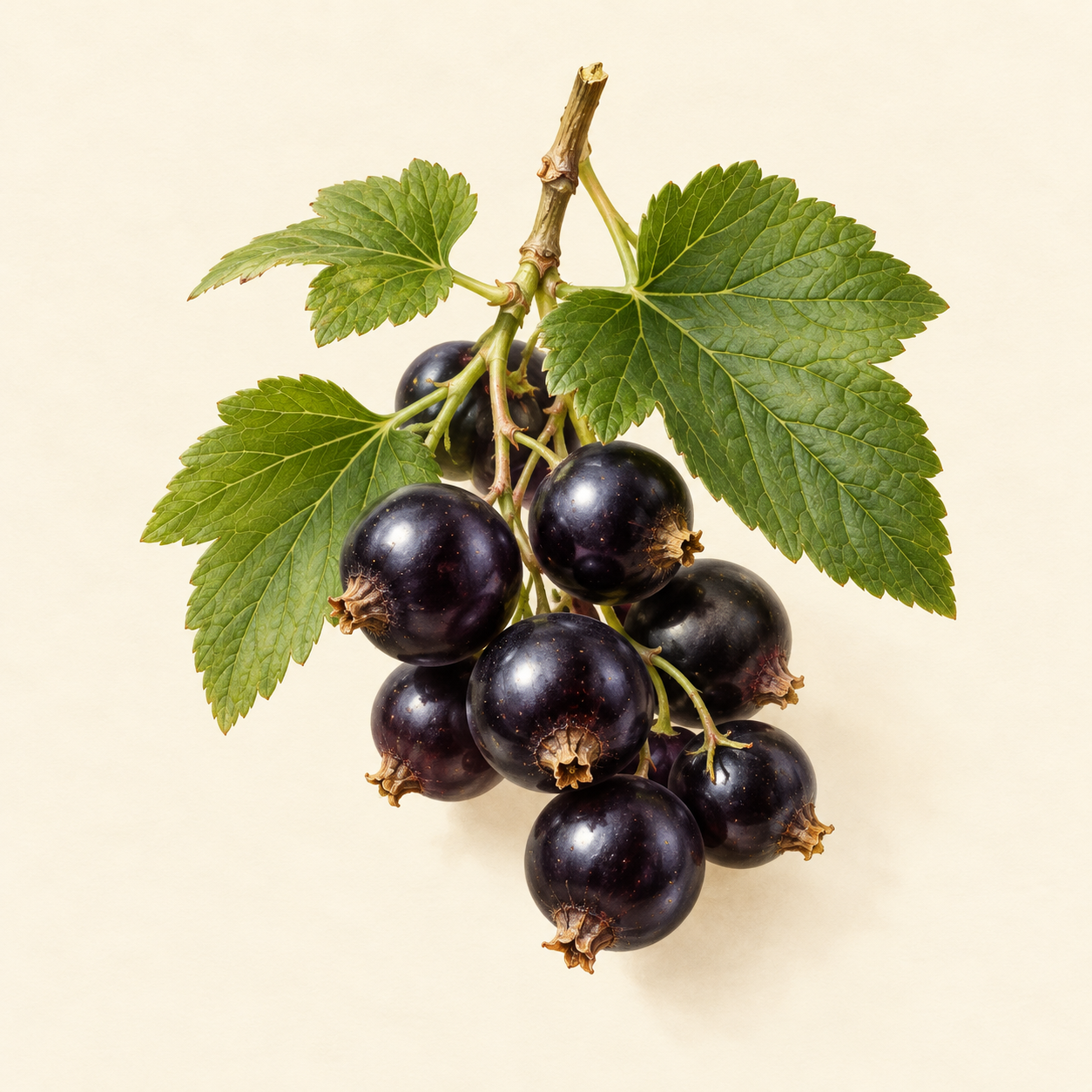
Cocoa
A processed seed material ranging from bitter earth and roasted nuts to dark chocolate, fruit and caramel, with much of the familiar aroma created during fermentation and roasting.
4 referenced entries →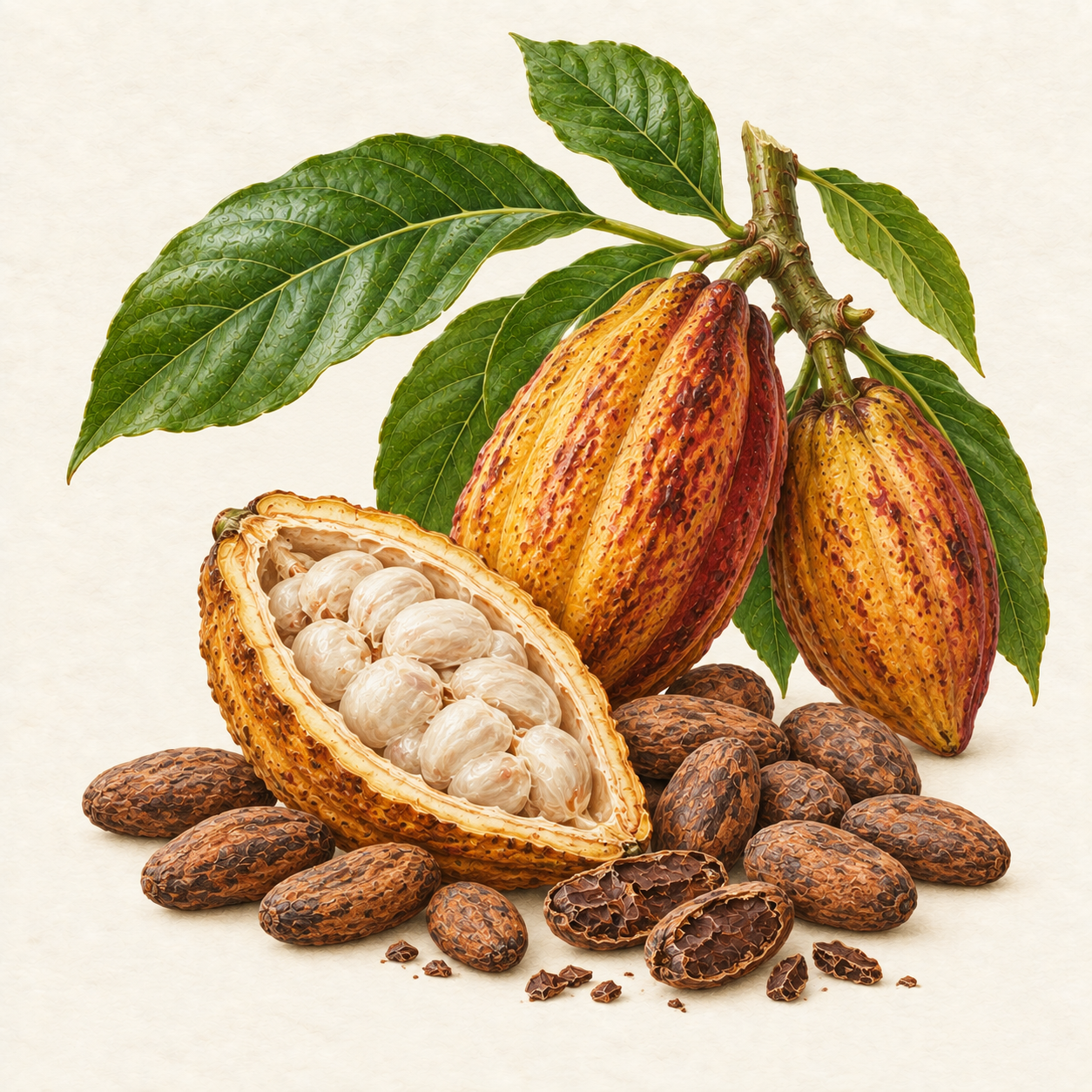
Coffee
A roasted-seed aroma built from hundreds of volatiles, spanning toasted, nutty, caramel, bitter, smoky, fruity and sulfurous facets depending on species, origin and roast.
6 referenced entries →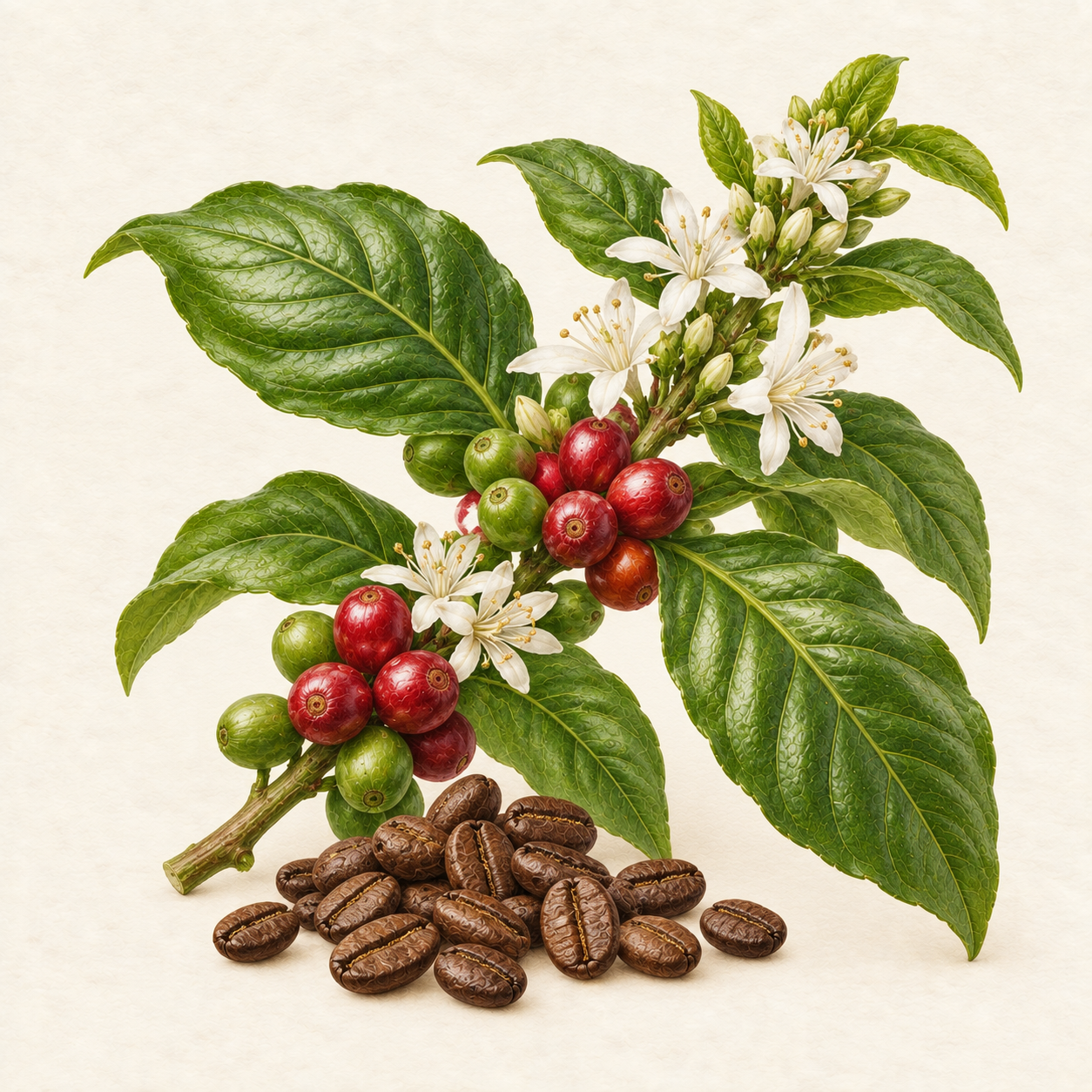
Pineapple
A bright tropical fruit note combining juicy sweetness with tart, sometimes slightly green facets; in perfume it is typically represented as an accord rather than a natural extract.
1 referenced entry →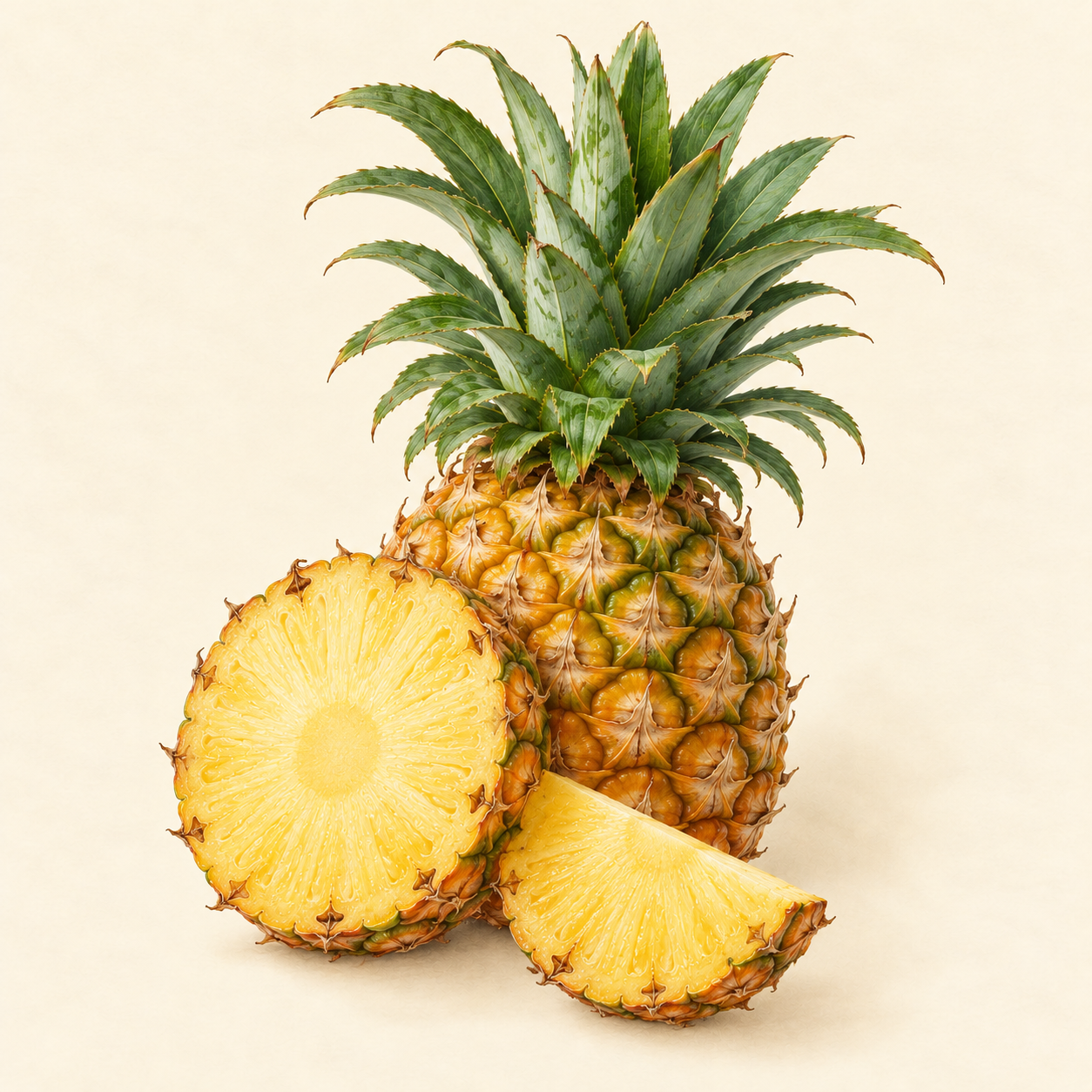
Plum
A dark juicy fruit note ranging from tart plum skin to ripe, jammy and dried-fruit effects. In perfume it is commonly a reconstructed accord rather than evidence for a standard natural extract.
5 referenced entries →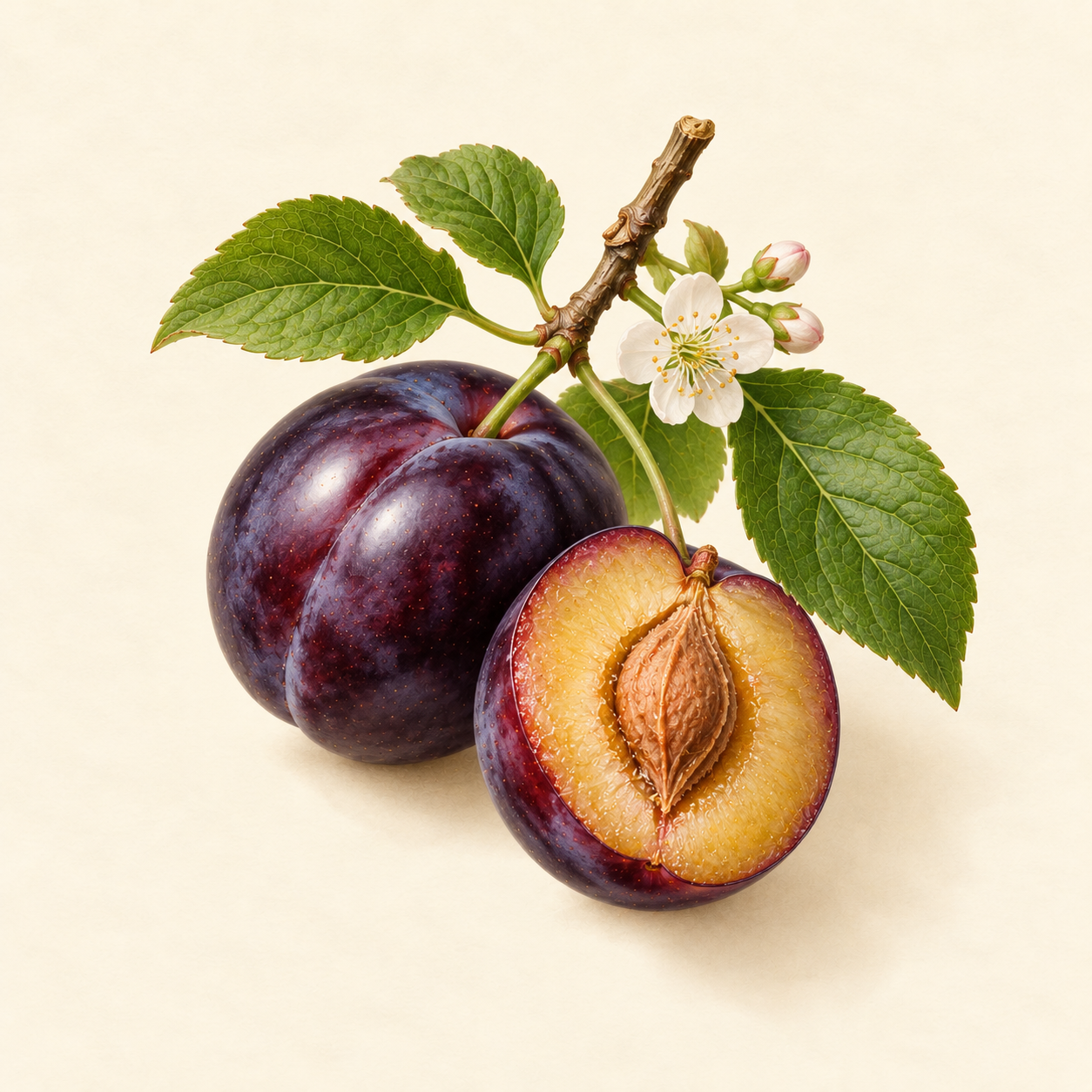
Sesame
A warm, nutty, softly toasted seed impression with a dry gourmand quality; sesame as a note does not establish the presence of sesame oil in a perfume.
1 referenced entry →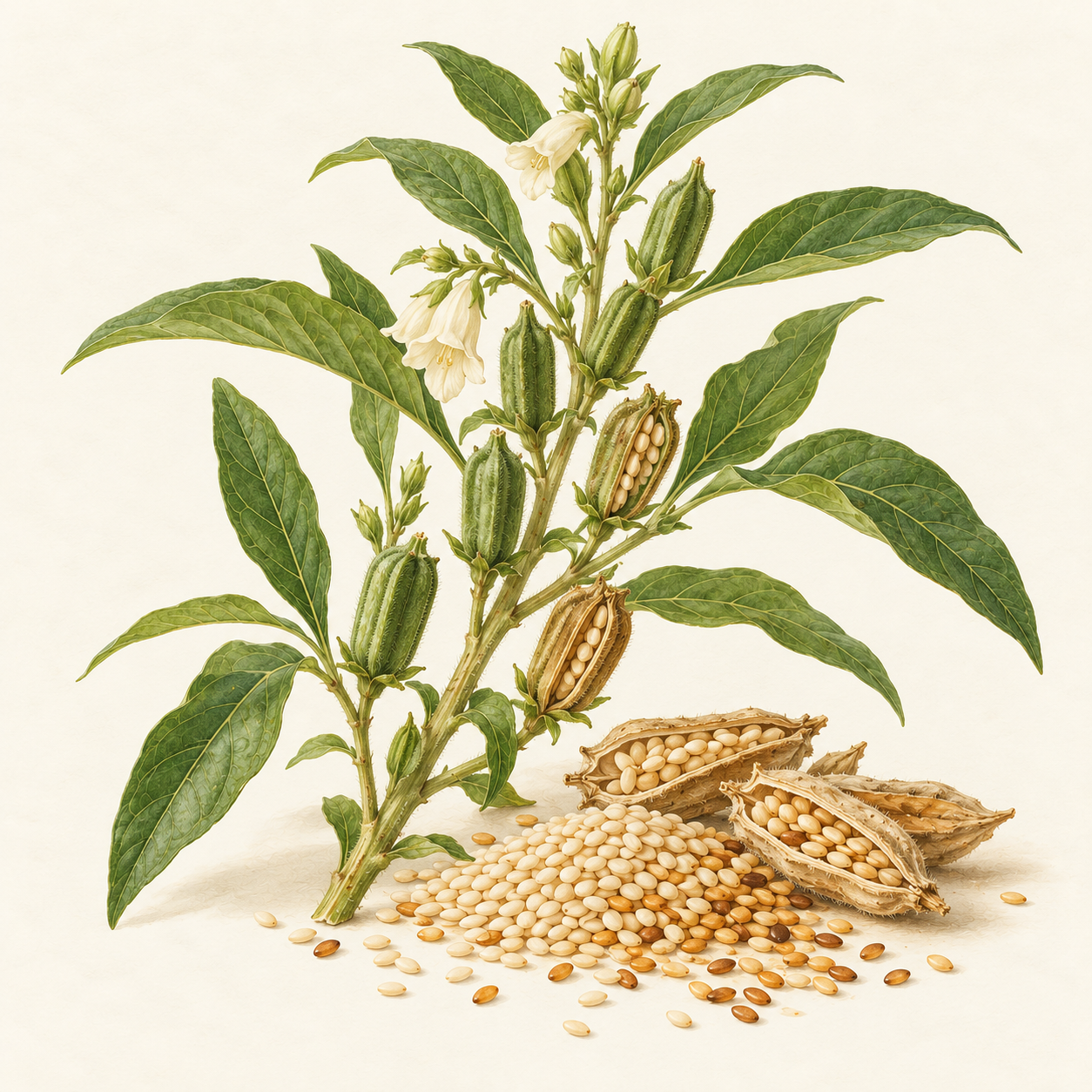
Tonka Bean
A fragrant seed material rich in coumarin, known for hay, vanilla, almond, tobacco and warm balsamic facets.
40 referenced entries →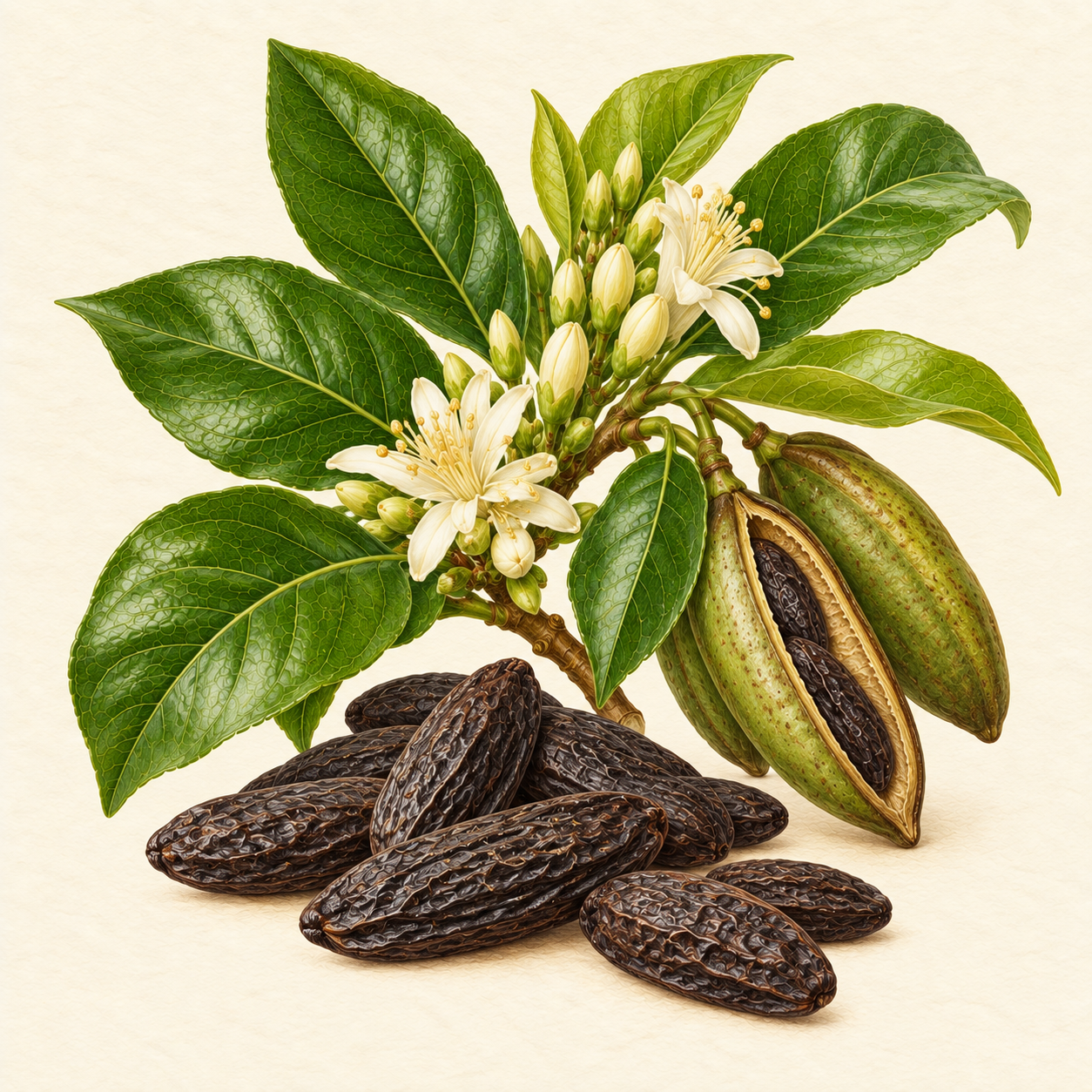
Vanilla
A cured orchid-fruit material combining vanillic sweetness with woody, balsamic, leathery and sometimes smoky facets; natural vanilla is more complex than vanillin alone.
46 referenced entries →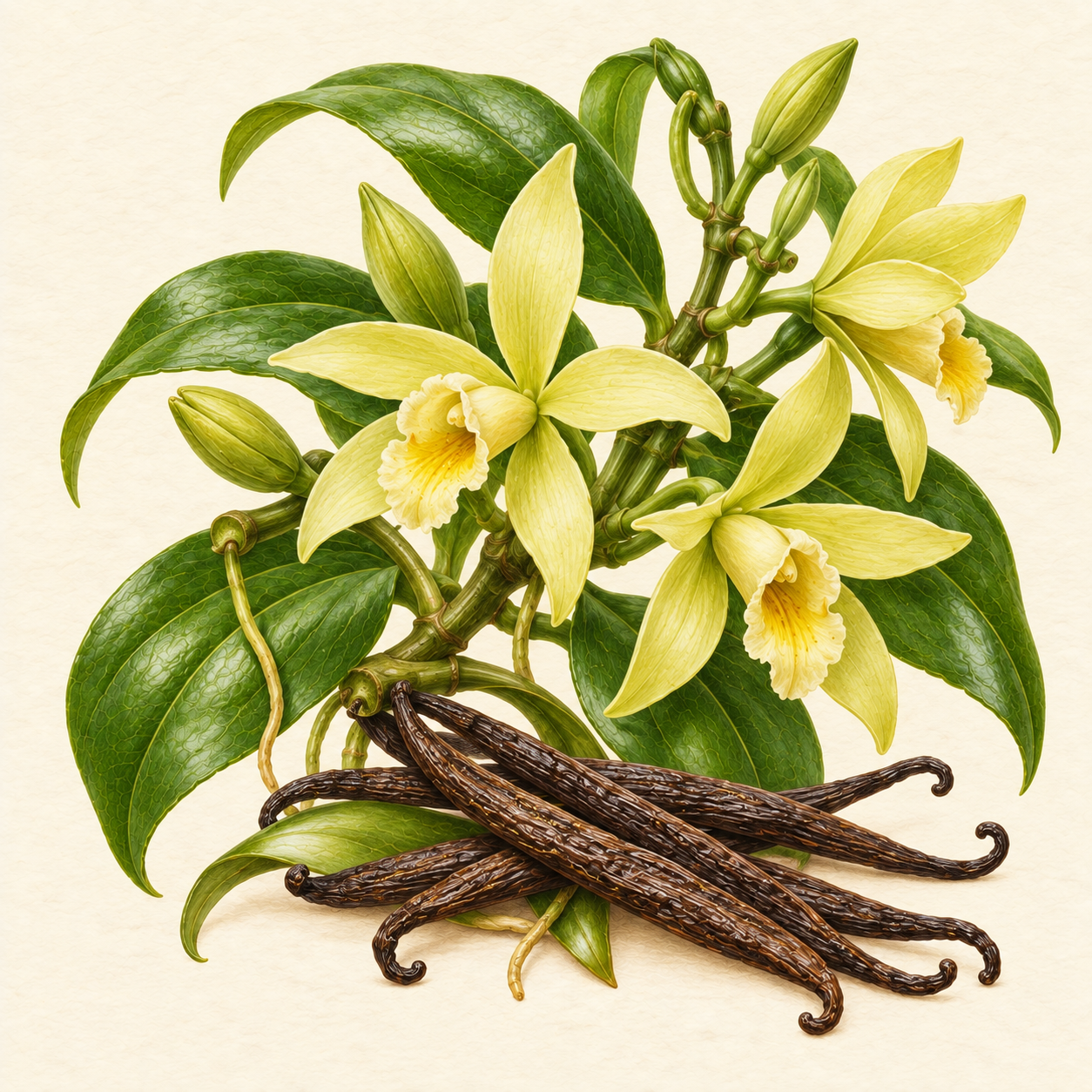
BROWSE FAMILY
Animalic & hive
Ambergris
A rare waxy material associated with sperm whales whose aged aroma became historically important in perfumery; modern ambergris effects are usually created with synthetic or semisynthetic odorants instead.
14 referenced entries →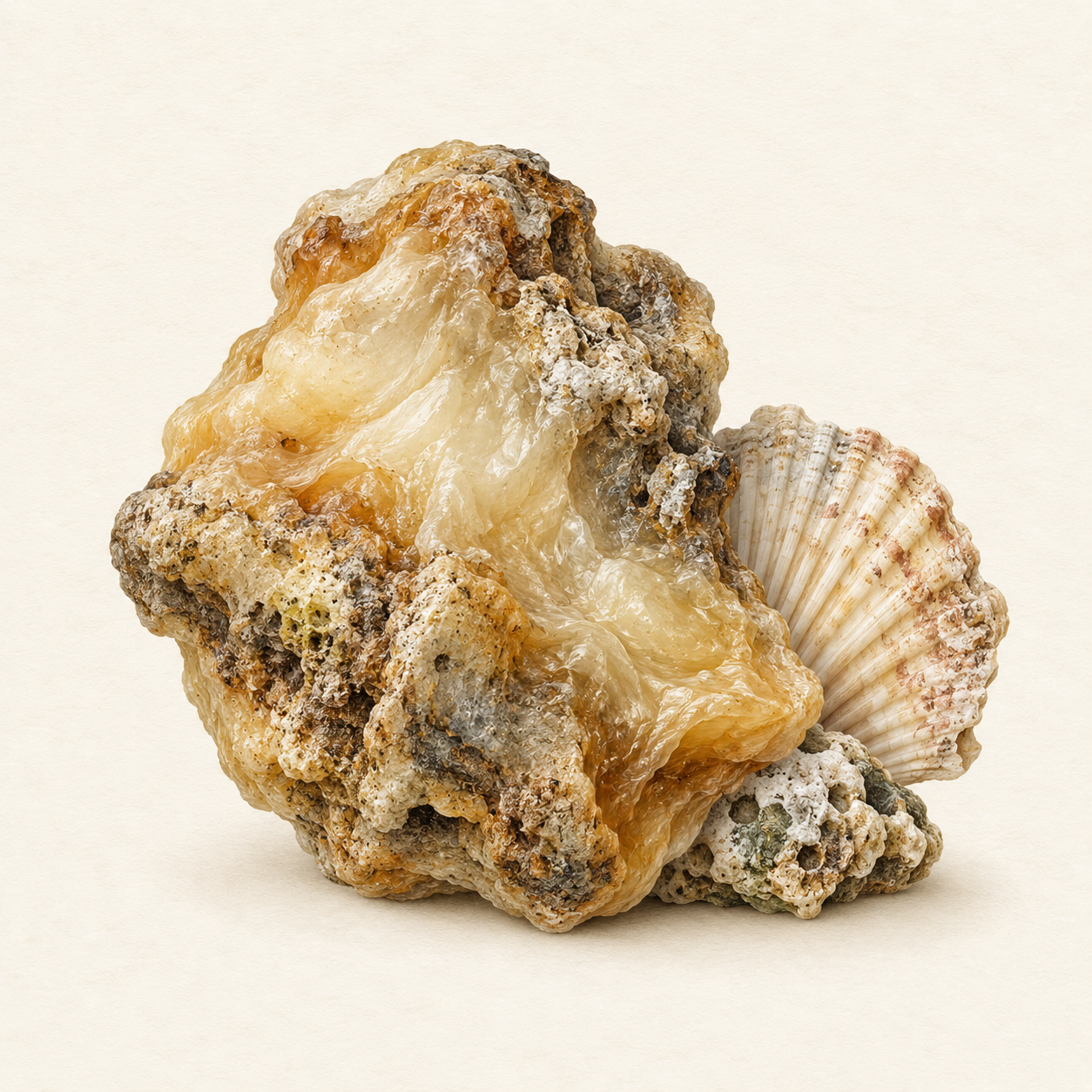
Castoreum
A historically important animalic perfumery material with leathery, smoky, warm and phenolic facets; modern perfumery can recreate castoreum-like effects without natural beaver-derived material.
3 referenced entries →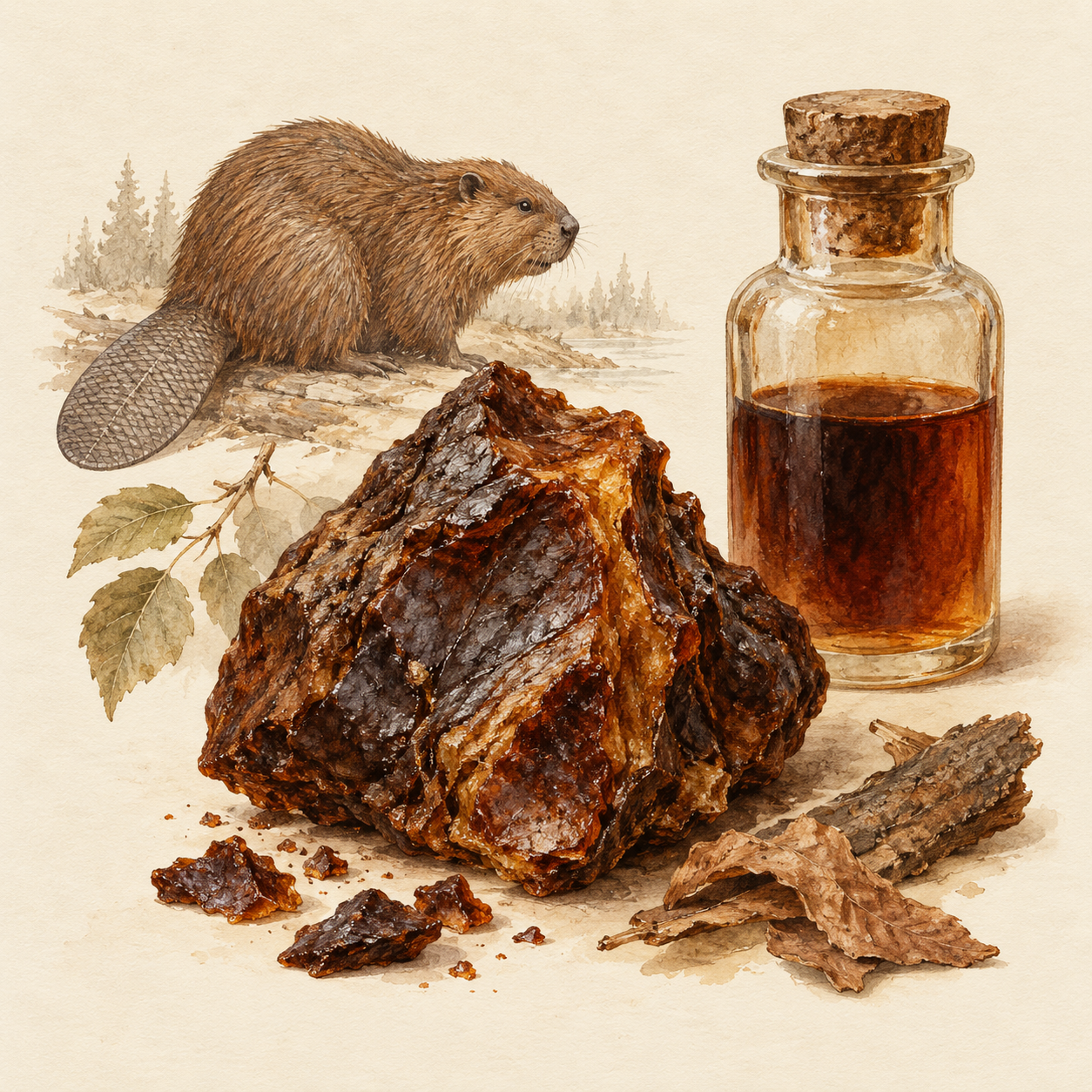
Civet
A historically important animalic perfumery material whose characteristic effect is strongly associated with civetone; modern perfumery generally uses synthetic recreations rather than natural civet.
5 referenced entries →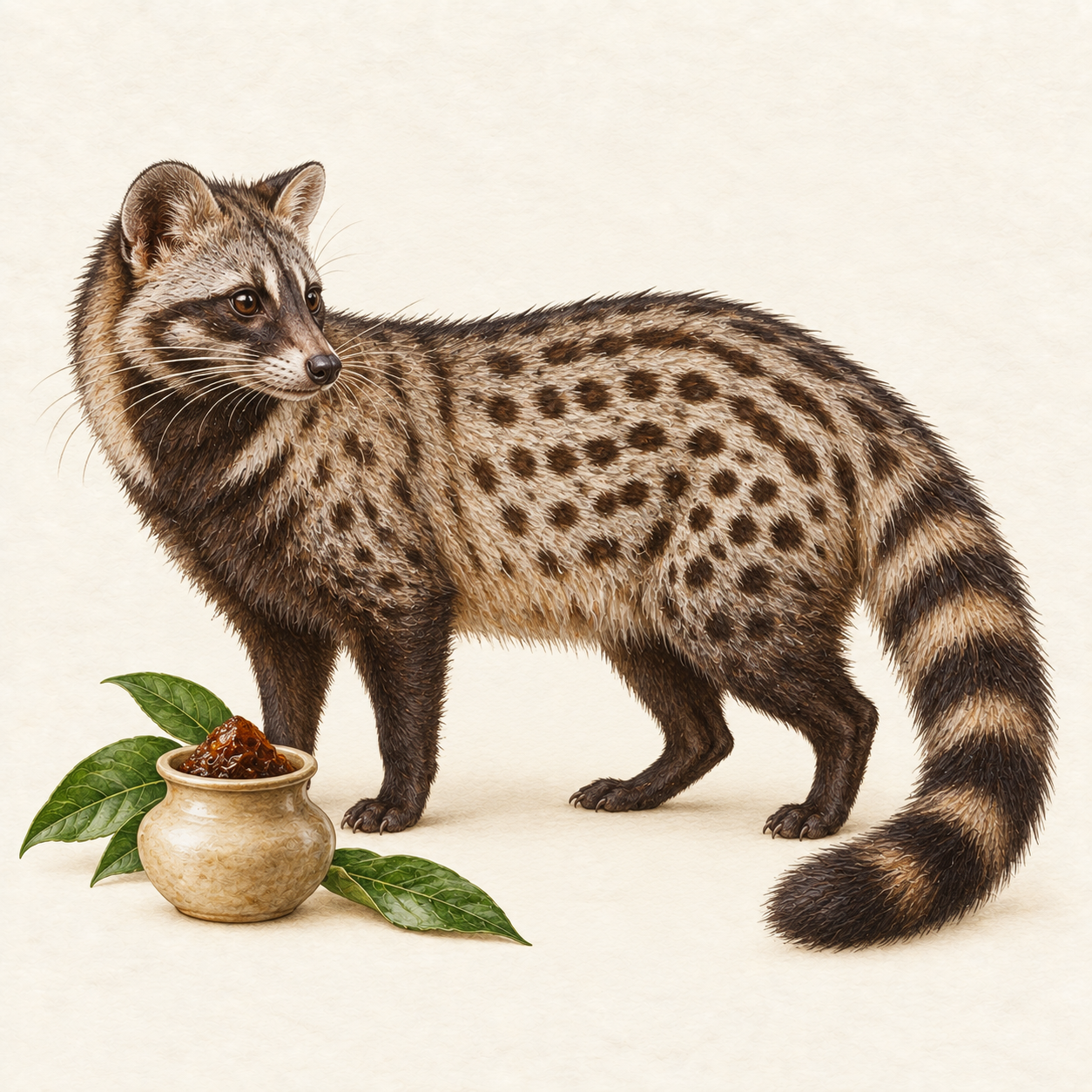
Honey
A highly variable natural aroma spanning floral nectar, wax, fruit, herbs, caramel, animalic depth and fermentation, with monofloral honeys capable of having distinct aromatic profiles.
9 referenced entries →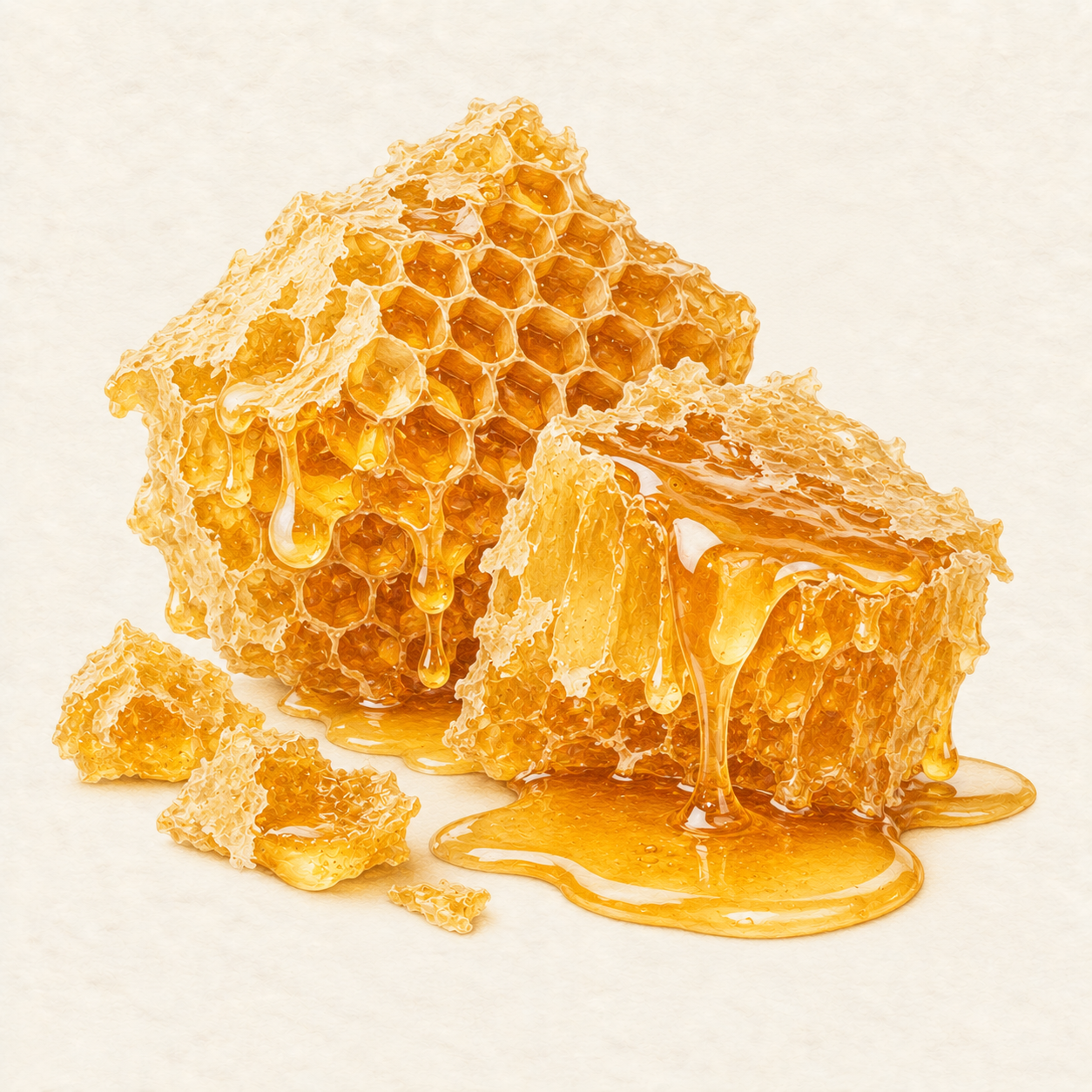
Musk
Historically an animal-derived perfumery material from male musk deer; today "musk" more often describes a broad family of synthetic odorants and accords inspired by that olfactory effect.
104 referenced entries →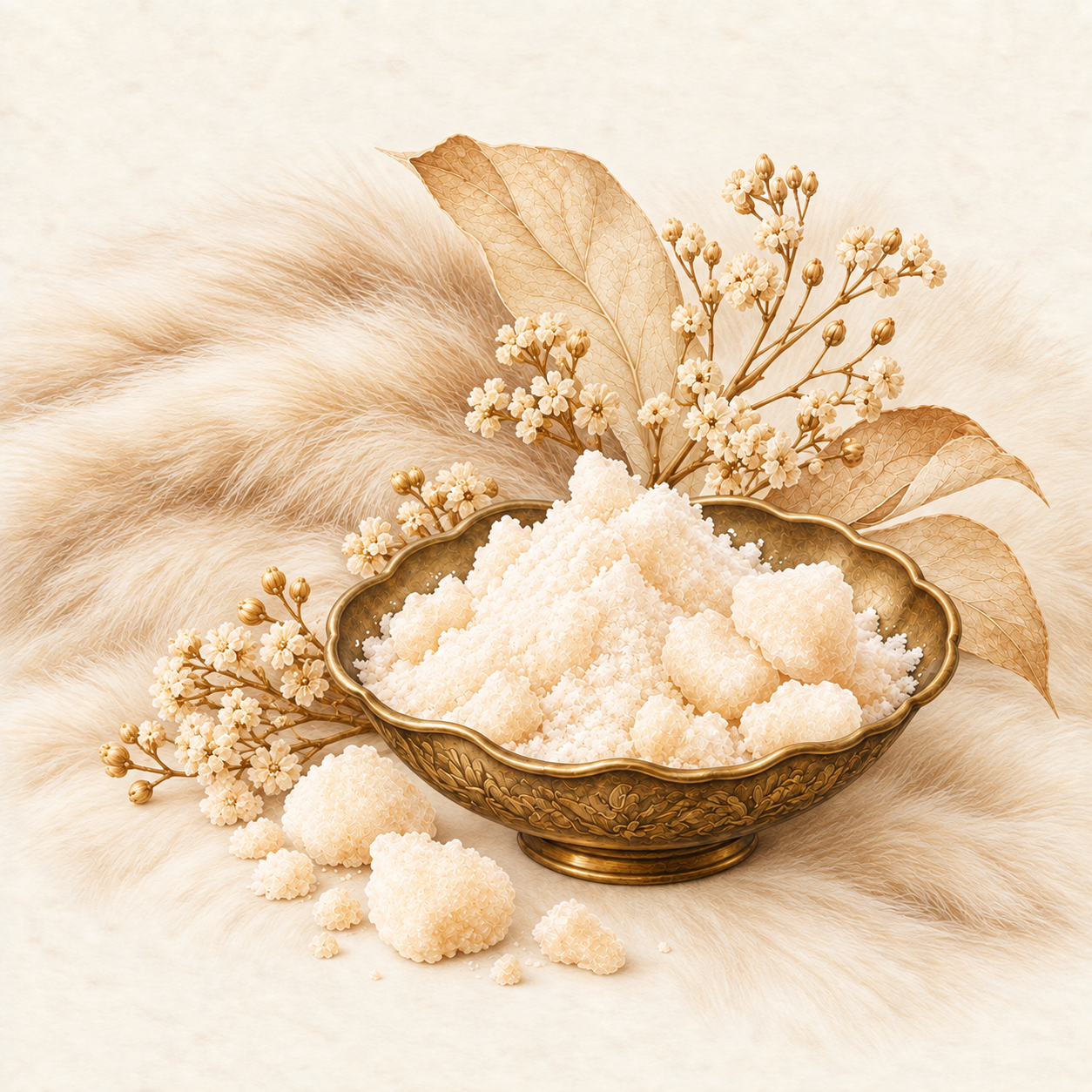
BROWSE FAMILY
Accords & effects
Amber
A warm, sweet, resinous perfumery accord built to evoke a glowing balsamic warmth; amber is an olfactory construction, not the fossilised resin used in jewellery and not the animal-derived material ambergris.
64 referenced entries →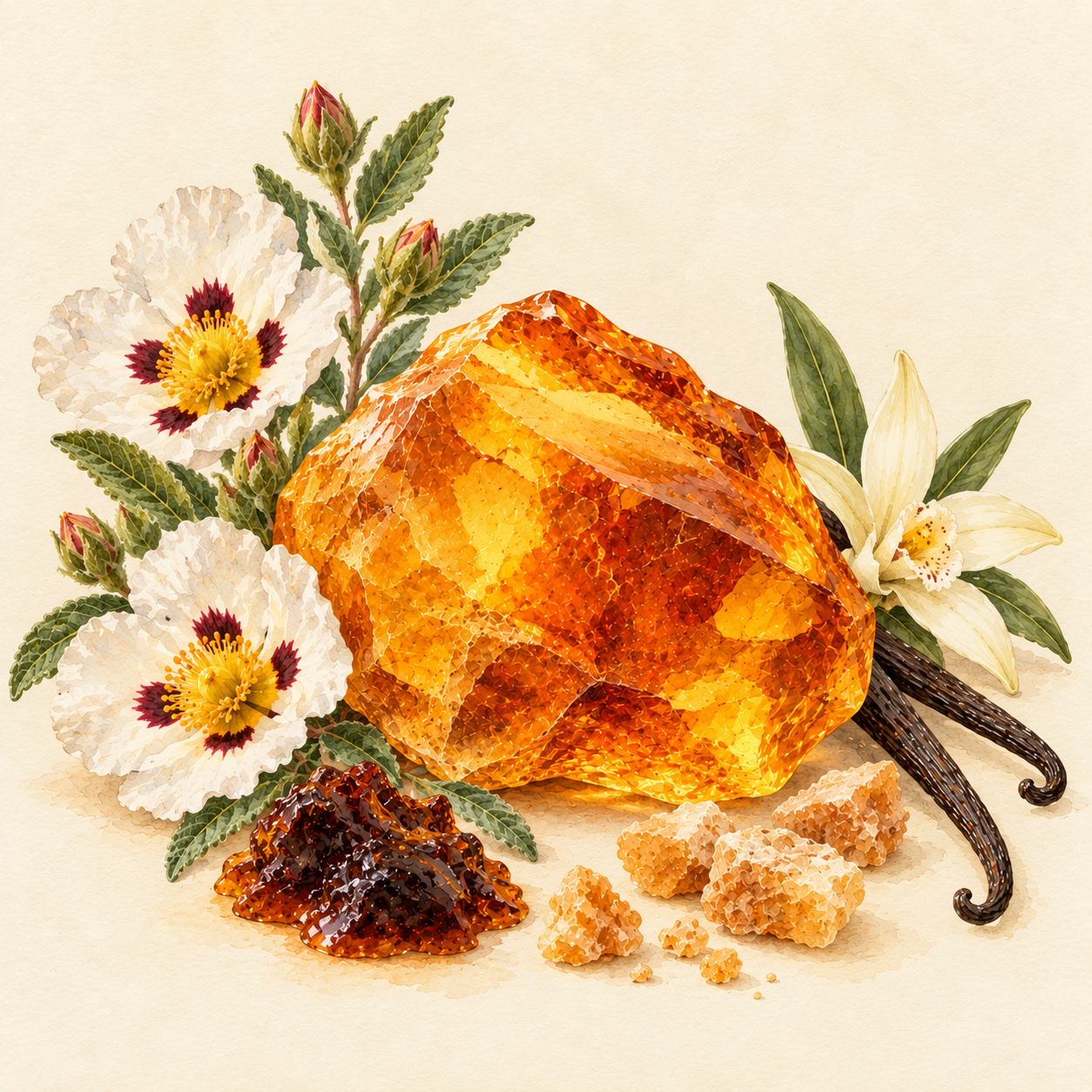
Leather
A family of constructed perfume effects ranging from smoky Russian leather to dry suede, built from materials that evoke tanned hide rather than from leather itself.
42 referenced entries →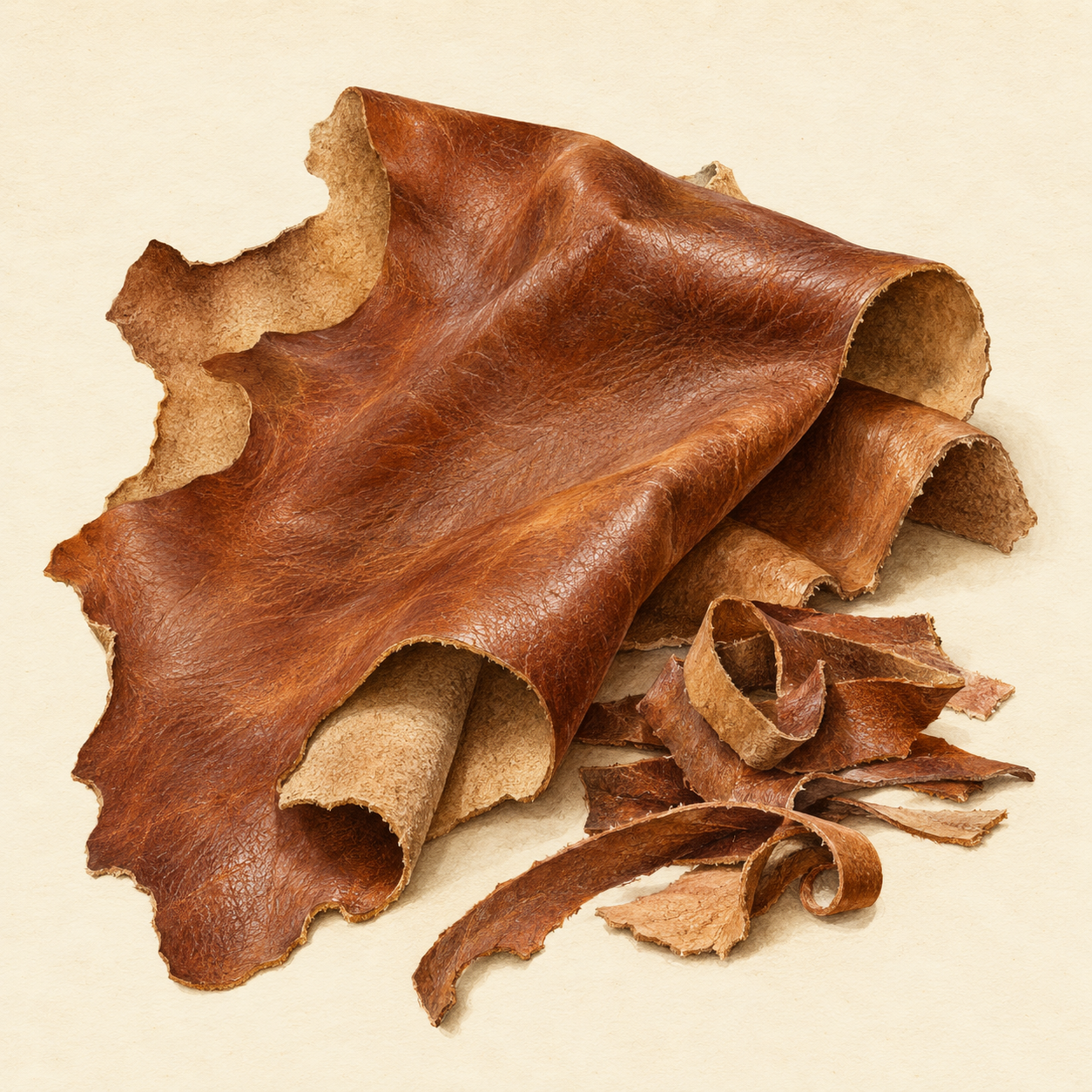
Rum
An established boozy fragrance note suggesting fermented sugarcane, molasses, dark fruit, spice, vanilla and oak-like warmth; usually treated as an accord or reconstruction in perfume.
9 referenced entries →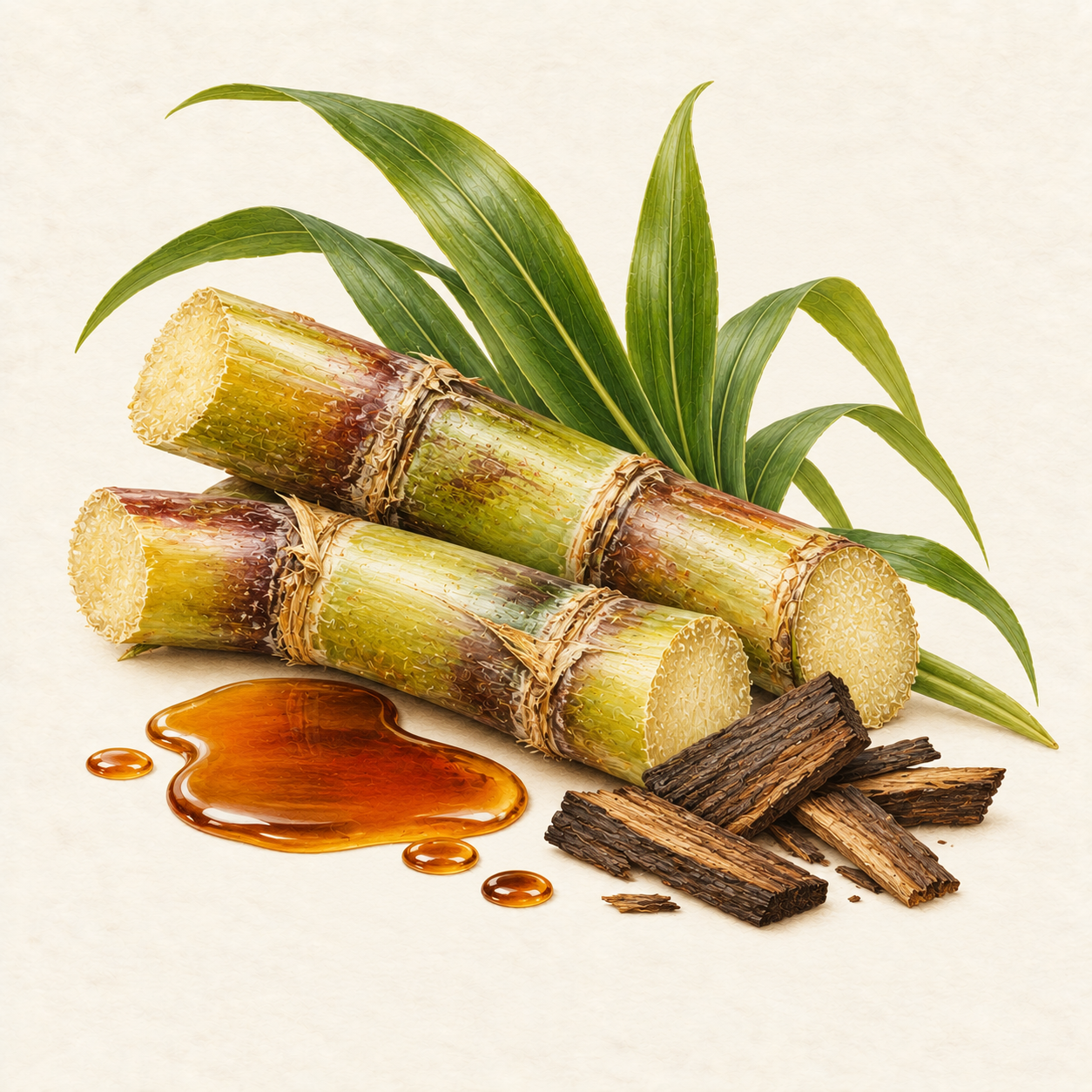
BROWSE FAMILY
Aromatic molecules
Ambroxan
A powerful modern ambergris-style aroma chemical with dry woody, musky, mineral and slightly salty facets, valued for diffusion and persistence.
4 referenced entries →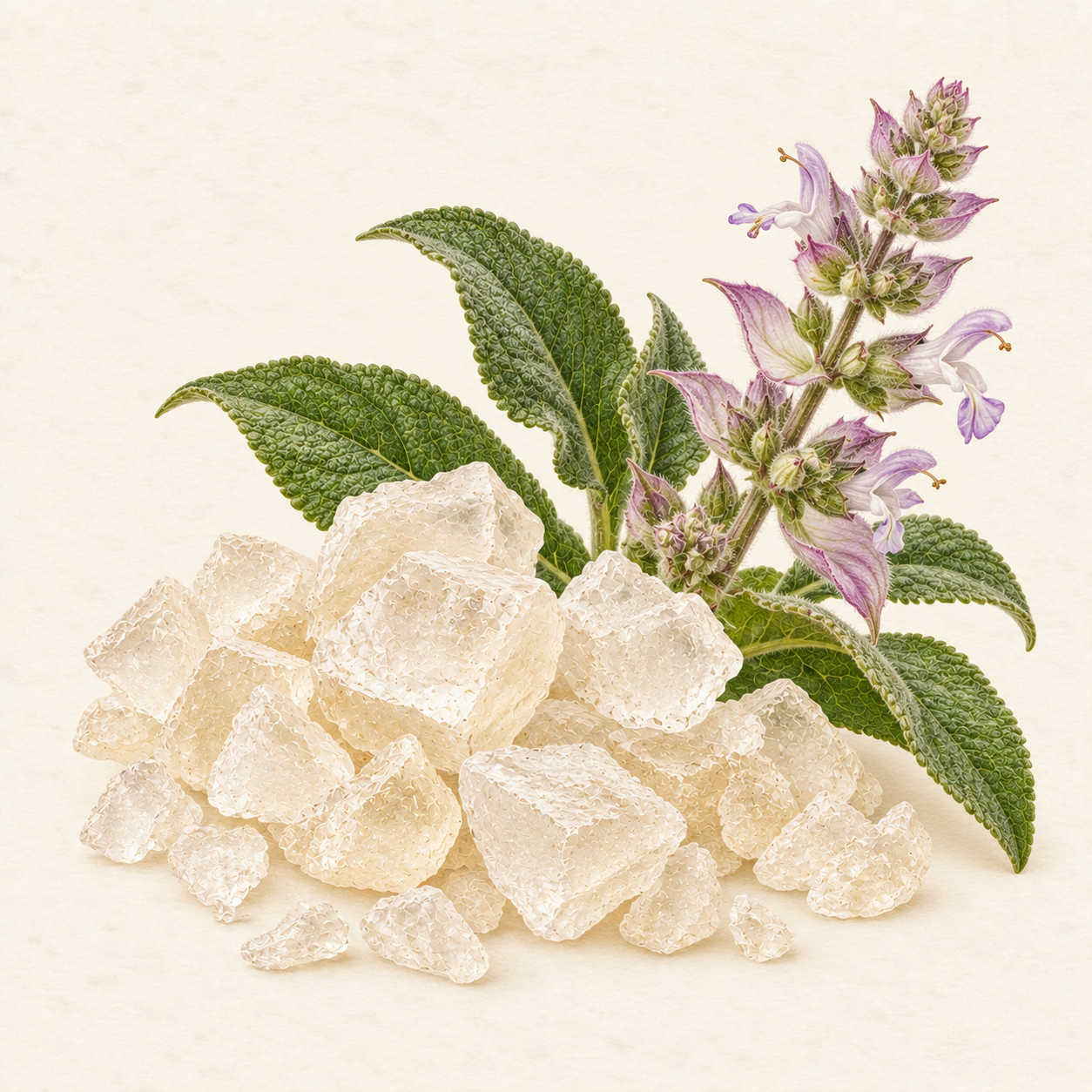
Borneol
A cool, penetrating camphoraceous note with piney, crystalline and medicinal-aromatic freshness, especially familiar in incense and traditional aromatic compositions.
2 referenced entries →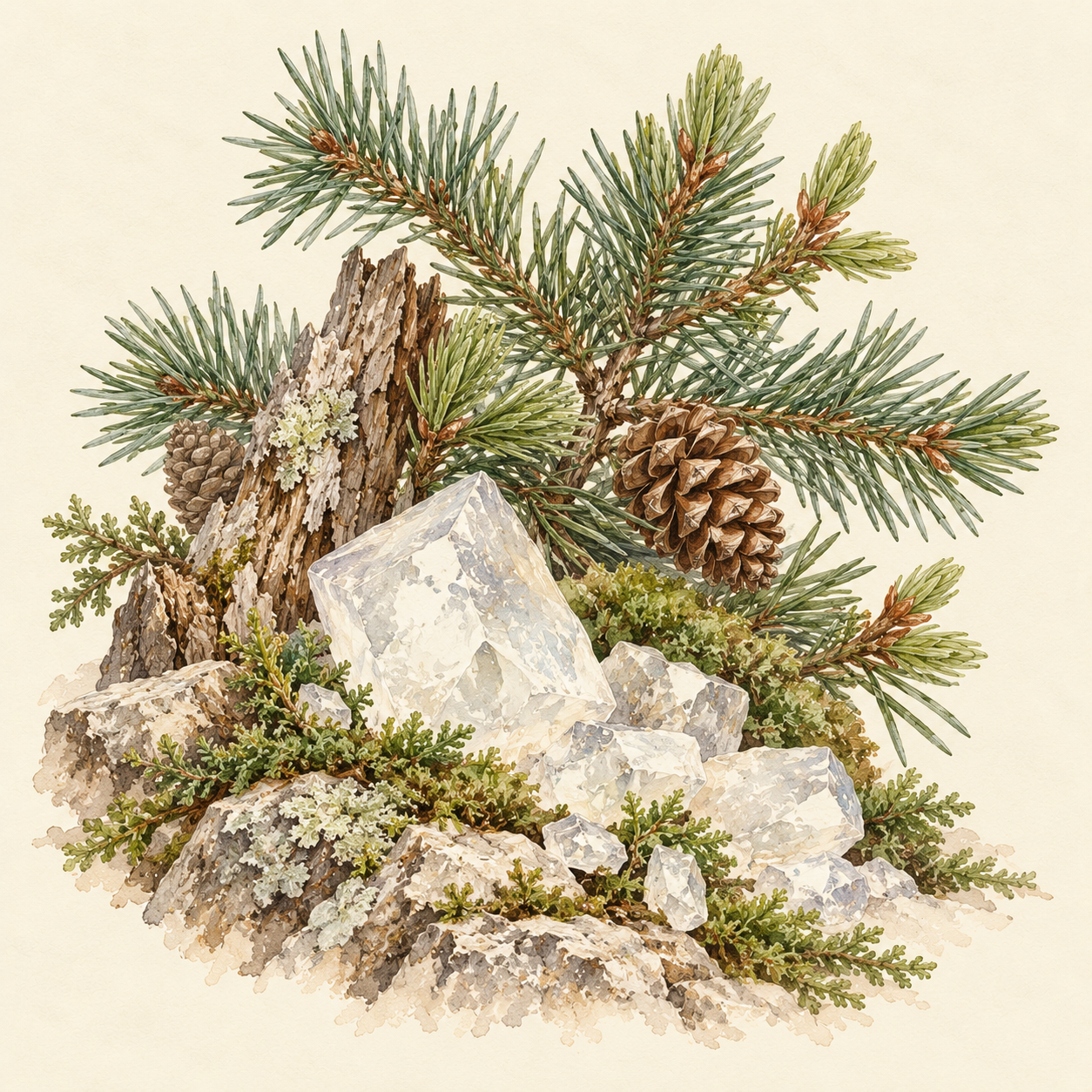
Cashmeran
A warm, diffusive aroma chemical combining woody, musky, spicy, balsamic and soft textile-like facets.
1 referenced entry →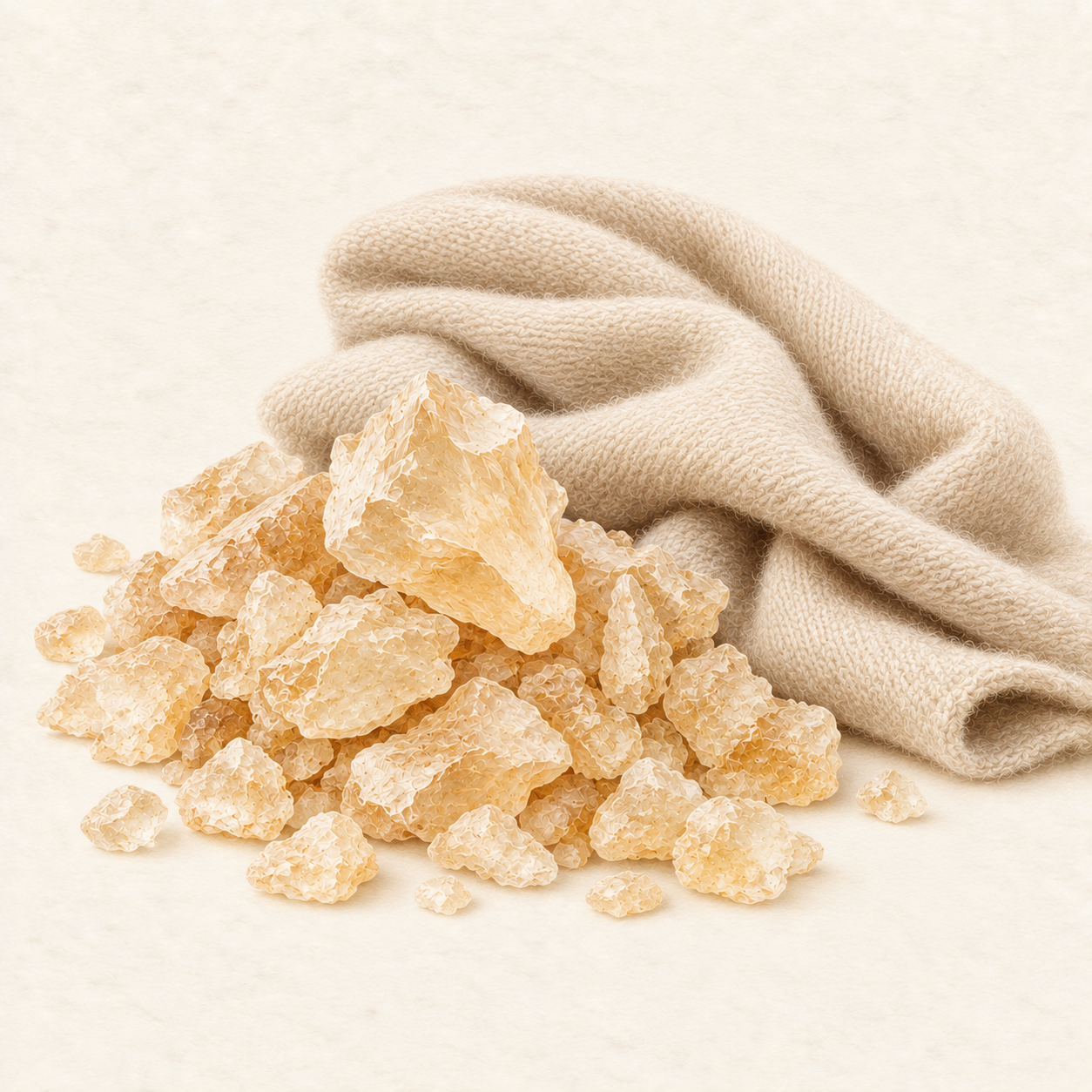
Coumarin
A sweet hay-and-tonka-like aromatic molecule with warm almond and vanilla-like facets, closely associated with classic fougère structures.
2 referenced entries →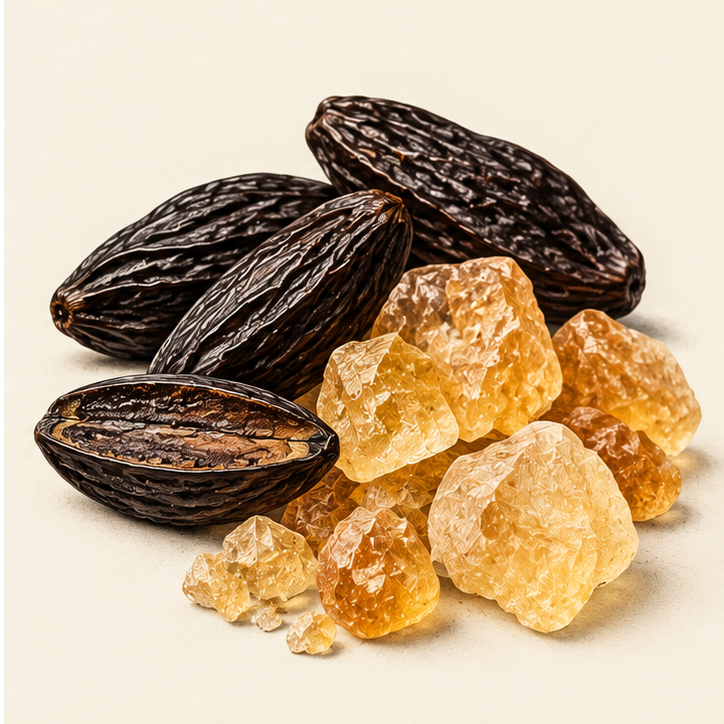
Muscone
A macrocyclic musk note associated with soft, warm animalic-musky effects. In modern perfumery the name generally refers to a specific aroma molecule rather than evidence of natural musk.
1 referenced entry →